


If we asked most Jacksonville homeowners what the most important part of their plumbing system is, we’d hear the usual suspects: water heaters, sewer lines, toilets, maybe the main water line if they’ve dealt with a leak recently. All fair answers.
But there’s one critical plumbing component that almost never gets mentioned—until it fails. And when it does, it creates some of the most confusing, frustrating, and expensive plumbing problems we see across Jacksonville, St. Johns County, St. Augustine, and surrounding areas.
That component is your plumbing ventilation system, also known as the plumbing vent stack.
It doesn’t bring water in. It doesn’t send waste out. You never interact with it directly.
Yet without it, your plumbing system simply does not work the way it should.
In Northeast Florida, this system is overlooked not because it’s unimportant—but because it’s hidden, misunderstood, and often assumed to be “fine.” Add in our coastal weather, heavy rain, humidity, and older housing stock, and you’ve got the perfect recipe for vent failure.
This guide breaks down what plumbing vents do, why they fail so often in Jacksonville homes, the warning signs homeowners miss, and what you can do to prevent small vent issues from turning into major plumbing emergencies.
What a Plumbing Vent System Actually Does (In Plain English)
Your plumbing system is not just pipes full of water and waste. It’s also a system of airflow.
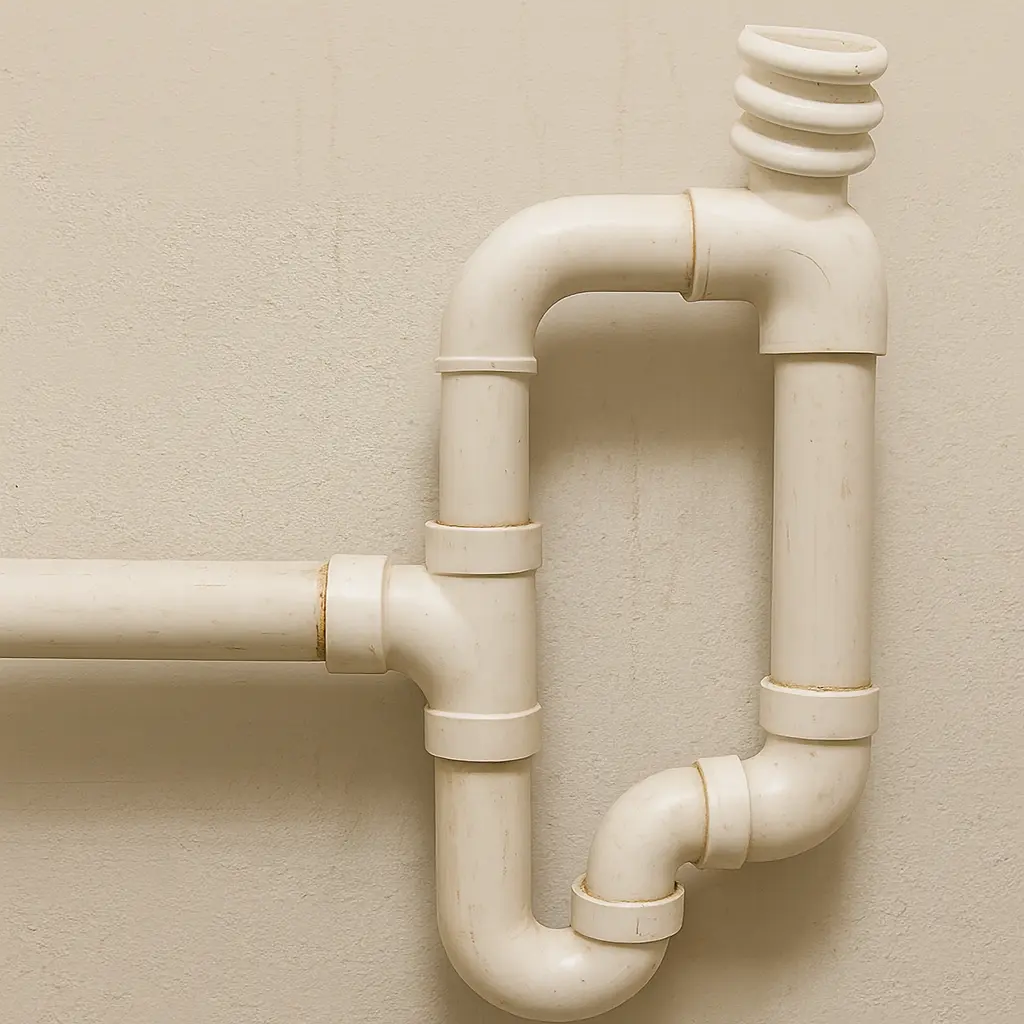
Every time water moves through your drains—whether you flush a toilet, run the dishwasher, or drain a bathtub—it displaces air inside the pipes. That air has to go somewhere. If it doesn’t, pressure builds up and the system starts fighting itself.
That’s where plumbing vents come in.
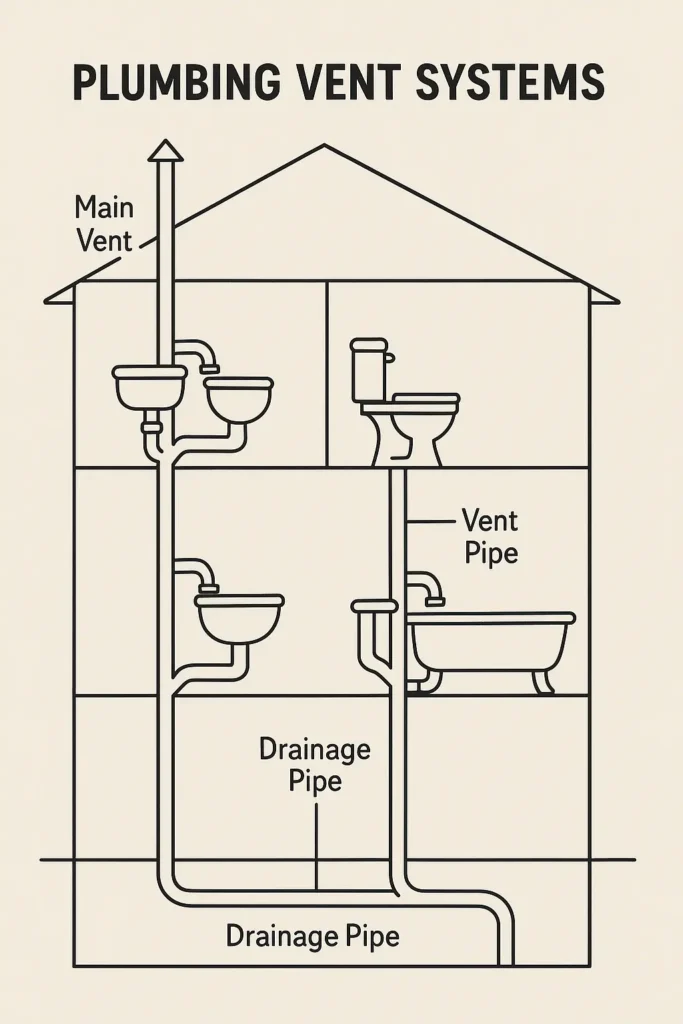
A plumbing vent system:
- Allows air to enter the drain system
- Equalizes pressure inside pipes
- Protects water in trap seals
- Safely releases sewer gases above the roofline
Most vents run vertically through your walls and exit through the roof. You rarely see them, which is exactly why they’re ignored.
Think of plumbing vents like breathing holes for your plumbing. You wouldn’t expect your home’s HVAC system to work without airflow—but homeowners expect plumbing to function without thinking about air at all.
When vents work properly, everything seems normal. When they don’t, problems show up in places that don’t obviously point back to the vent.
Why Plumbing Vents Are Especially Vulnerable in Jacksonville Homes
Jacksonville homes face a unique combination of environmental and structural challenges that make plumbing vents more likely to fail than in many other parts of the country.
1. Heavy Rain and Tropical Storms
Northeast Florida’s climate is tough on plumbing systems, and plumbing vent pipes are one of the most overlooked victims. Between summer downpours, tropical storms, and hurricane season, homes in this region can receive an overwhelming amount of rain in a short period of time. Plumbing vent pipes extend through the roof to regulate air pressure and allow sewer gases to escape—but that same design also makes them a direct and vulnerable entry point for water intrusion if they are not properly sealed and maintained.
During heavy rain events, water relentlessly tests every roof penetration. Over time, the flashing that seals the vent pipe to the roof begins to deteriorate. Florida’s intense UV exposure dries out rubber boots, cracks sealants, and warps older flashing materials. Once that protective barrier weakens, rainwater can slip beneath shingles and follow the vent pipe straight into the attic or wall cavities. From there, the damage often spreads quietly and invisibly.
As moisture continues to intrude, several problems tend to develop simultaneously. Water seeping into walls can saturate insulation, reducing its effectiveness and creating the perfect environment for mold growth. Metal vent sections—especially older galvanized components—can begin to corrode when exposed to constant moisture and humid air. In some cases, storm-driven debris such as leaves, pine needles, or small branches washes directly into vent openings, partially or fully blocking airflow. That blockage can lead to slow drains, gurgling sounds, and sewer odors inside the home, compounding the original issue.
What makes vent-related water damage especially problematic is how rarely homeowners associate the symptoms with the vent pipe itself. We often discover these issues only after a homeowner notices brown ceiling stains, bubbling paint, warped drywall, or persistent musty odors. By that point, the water intrusion may have been happening for months—or even years—before it became visible inside the living space. Many assume the problem is a roof leak unrelated to plumbing, not realizing the true culprit is a failing vent penetration.
Tropical storms amplify all of these risks. Wind-driven rain doesn’t fall straight down; it moves sideways, forcing water under flashing and into gaps that might stay dry during normal showers. Repeated storm cycles accelerate deterioration, turning a minor weakness into a serious entry point for water. Without timely repairs, what starts as a small flashing failure can evolve into structural damage, mold remediation costs, and expensive interior repairs.
Regular inspections of plumbing vents—especially after major storms—are essential in Northeast Florida. Ensuring proper flashing, intact vent boots, and clear openings can prevent a surprising amount of hidden damage. Addressing vent issues early not only protects your plumbing system but also safeguards your roof, walls, and indoor air quality from the long-term effects of water intrusion.
2. High Humidity and Salt Air
If heavy rain is the obvious enemy of plumbing vents in Northeast Florida, humidity and salt air are the quiet, relentless ones. Even on days without storms, the air here is saturated with moisture. In coastal neighborhoods—and especially homes near the Intracoastal Waterway or the St. Johns River—salt particles are constantly floating in the air. Over time, this combination creates a highly corrosive environment that steadily breaks down plumbing components, particularly vent pipes.
Plumbing vent systems are designed to move air, not moisture. Unfortunately, in humid climates, warm, moist air frequently condenses inside the vent pipe. That moisture clings to the interior walls of the pipe, and when salt is present, corrosion accelerates dramatically. Older homes with galvanized steel vent pipes are especially vulnerable. Galvanized coatings wear thin over time, and once the protective layer is compromised, rust begins forming from the inside out.
This internal corrosion is what makes vent problems so deceptive. From the roofline, the vent pipe may look perfectly fine—no cracks, no obvious rust, no visible separation at the flashing. Meanwhile, inside the pipe, rust scale gradually builds up. As that buildup thickens, it restricts airflow. Proper venting depends on unobstructed air movement to balance pressure in the drain system. When airflow is reduced, drains may slow, toilets may struggle to flush properly, and sewer gases may have difficulty escaping upward.
Because the pipe hasn’t fully collapsed or rusted through, these symptoms often get blamed on partial clogs, aging fixtures, or even sewer line problems. Homeowners might replace a toilet, snake a drain, or use chemical cleaners—none of which address the real issue. This is one of the biggest reasons plumbing vent issues are misdiagnosed in Northeast Florida. The failure is happening inside the pipe, completely out of sight.
Salt air compounds the problem by accelerating metal fatigue. Tiny salt particles settle on vent openings and mix with condensation, creating a corrosive film that slowly eats away at metal surfaces. Over years of exposure, the vent pipe can thin significantly, becoming brittle and prone to cracking. In severe cases, sections of pipe may collapse internally, causing sudden and severe venting failures that seem to come out of nowhere.
Humidity also encourages biological growth. Moist vent interiors can develop mildew or bacterial buildup that further restricts airflow and contributes to unpleasant odors inside the home. When combined with rust flakes, this buildup can partially block the vent long before a total failure occurs.
The takeaway is simple but critical: vent systems in high-humidity, salt-air environments age differently—and faster—than homeowners expect. Regular inspections, camera evaluations, and proactive upgrades to more corrosion-resistant materials can prevent years of hidden deterioration. In Northeast Florida, vent pipe health isn’t just about age; it’s about environment, and that environment is working against metal plumbing every single day.
3. Older Homes With Outdated Vent Designs
Many Jacksonville homes built before the 1990s are still operating with plumbing vent systems that were designed for a very different era. While these systems may have passed inspection decades ago, they often struggle to keep up with modern usage, current code standards, and Northeast Florida’s demanding environmental conditions. As a result, outdated vent designs are a major—and frequently overlooked—cause of recurring plumbing problems in older homes.
One of the most common issues we see is undersized vent pipes. Older plumbing codes allowed smaller-diameter vents because homes typically had fewer fixtures and lower overall water demand. Fast forward to today, and those same homes may have added bathrooms, larger tubs, high-flow showers, washing machines, dishwashers, and disposal units. When multiple fixtures drain at once, undersized vents cannot move enough air to balance pressure. This leads to slow drains, siphoned traps, gurgling noises, and sewer gas smells that seem to come and go without warning.
Another frequent problem is poorly sloped vent runs. Vent pipes are supposed to be installed with subtle slopes that allow condensation and rainwater to drain back into the system safely. In many older homes, vent lines run flat—or even back-pitched—due to outdated installation practices or space constraints. Over time, water pools inside these sections. That standing moisture accelerates corrosion, encourages buildup, and increases the risk of internal blockages, especially in humid climates like Jacksonville’s.
We also encounter improper vent connections that no longer meet best practices. Older systems often relied on shared vents, awkward tie-ins, or configurations that technically worked but left little margin for error. These setups are far more sensitive to partial obstructions and pressure changes. When something goes wrong, the symptoms don’t always point clearly to the vent system, which leads to repeated misdiagnoses and unnecessary drain work.
Material choice is another major factor. Many older homes still use galvanized steel or cast iron vent components, materials that are no longer considered ideal for long-term performance in high-humidity, salt-air environments. These materials corrode from the inside out, narrowing the pipe long before any visible damage appears. Modern plumbing standards favor PVC or ABS for venting because they resist corrosion, maintain smooth interior walls, and perform more consistently over time.
Back then, codes were different—and so were expectations. What passed inspection decades ago may struggle under today’s heavier water usage, modern fixtures, and environmental stressors. Add Florida’s humidity, intense rainfall, and occasional storm debris into the mix, and older vent designs become increasingly unreliable as the years go on.
The challenge for homeowners is that these problems rarely announce themselves clearly. You might experience recurring drain issues, inconsistent odors, or unexplained plumbing behavior without realizing the vent system itself is the root cause. In many cases, the only real solution is a professional vent evaluation and targeted upgrades that bring the system closer to modern standards.
For older Jacksonville homes, updating vent design isn’t just about code compliance—it’s about restoring proper airflow, preventing hidden damage, and ensuring the plumbing system can handle the way homes are actually used today.
4. Tree Coverage and Roof Debris
Jacksonville’s mature neighborhoods are one of the area’s biggest selling points. Large oak trees, towering pines, and dense greenery provide shade, character, and curb appeal. Unfortunately, those same trees create a persistent and often underestimated problem for plumbing systems—especially plumbing vents that terminate at the roof.
Plumbing vent pipes are designed to remain open to the outside air. That openness is essential for allowing sewer gases to escape and for balancing pressure inside your drain system. But when a home is surrounded by heavy tree coverage, those vent openings effectively become collection points for debris. Leaves, pine needles, seed pods, twigs, and small branches are constantly falling or being blown onto rooftops. During storms or even strong afternoon winds, that debris can easily find its way straight into an unprotected vent stack.
Over time, the buildup can be surprisingly dense. Pine needles interlock. Leaves mat together. Moist debris compacts and hardens after repeated rain events. Even a partial blockage can significantly restrict airflow. Unlike a clogged drain, which usually announces itself quickly, a restricted vent creates slow-building pressure problems that affect the entire plumbing system at once.
We’ve also seen another common—and unsettling—issue: animals. Birds, squirrels, rats, frogs, and even snakes are drawn to vent pipes for warmth, shelter, or nesting. A vent stack can look like a perfect hollow tree from above. We’ve pulled out bird nests packed tightly with twigs and insulation, along with tennis balls, plastic toys, and roof debris that somehow found its way inside. Once an obstruction like that forms, airflow may drop to near zero.
When airflow is restricted, pressure problems begin to ripple through the plumbing system. Toilets may flush sluggishly or inconsistently. Drains may gurgle as air struggles to move past the blockage. Water in P-traps can be siphoned out, allowing sewer odors to enter the home. In more severe cases, wastewater drainage slows dramatically because the system cannot breathe properly. These symptoms often appear in multiple fixtures at once, which confuses homeowners and leads to incorrect diagnoses like “main line clogs” or failing fixtures.
Roof debris issues are especially common after storms. Heavy rain pushes debris deeper into vent pipes, while wind-driven branches can snap and fall directly onto roof penetrations. Because vent blockages happen at the roofline, they’re rarely checked during routine plumbing work. Homeowners don’t see them, and many plumbers aren’t called until the symptoms inside become disruptive.
Tree coverage also means more frequent maintenance is required. A vent that stays clear in a sparse neighborhood may clog repeatedly in a heavily wooded one. Without periodic inspections or protective vent caps designed to keep debris and animals out while still allowing airflow, the problem tends to return again and again.
In Jacksonville, tree-lined streets are a blessing—but they come with responsibilities. Keeping plumbing vents clear is critical for system health, proper drainage, and indoor air quality. When vent airflow is compromised, the entire plumbing system feels it, even though the cause may be sitting quietly on the roof, hidden beneath a layer of leaves and pine needles.
How Vent Failures Create Plumbing Problems (That Don’t Seem Related)
One reason plumbing vents stay overlooked is because their failure doesn’t announce itself clearly. Instead, it creates a chain reaction of issues that appear unrelated.
Slow or Gurgling Drains
If you hear gurgling when water drains, that’s air struggling to move through the system. Homeowners often assume a clog, but repeated snaking doesn’t fix the problem if airflow is the real issue.
Sewer Gas Smells Inside the Home
Vents protect the water trapped in your P-traps. When venting fails, pressure fluctuations siphon that water out, allowing sewer gas to enter your home.
If you smell sewage but can’t find a leak, the vent system should be one of the first things checked.
Toilets That Bubble or Drain Poorly
Toilets rely heavily on proper venting. When a vent is blocked or collapsed, flushing creates negative pressure, pulling air from nearby drains—or failing to flush completely.
This often leads to unnecessary toilet replacements that never solve the underlying issue.
Repeated Drain Backups
A vent problem can mimic a partial sewer blockage. Water drains slowly, backs up intermittently, and behaves inconsistently depending on what fixtures are being used.
Without a camera inspection, it’s easy to misdiagnose.
The Most Common Ways Plumbing Vents Fail in Jacksonville
After years of servicing homes across Northeast Florida, patterns emerge. Vent failures tend to fall into a few predictable categories.
Corrosion and Pipe Deterioration
Older metal vents corrode from the inside out. By the time leaks or airflow issues become noticeable, the pipe may already be compromised inside walls or attics.
Poor Roof Penetration Seals
Even if the vent pipe itself is intact, the seal where it passes through the roof can fail. This causes:
- Water damage
- Mold growth
- Structural wood rot
- Insulation saturation
The plumbing system gets blamed, but roofing issues often play a role.
Improper Remodeling Modifications
We see this more than homeowners realize. During bathroom or kitchen remodels, vents are sometimes:
- Rerouted incorrectly
- Cut and capped improperly
- Tied into drains incorrectly
- Reduced in size
The system may work “well enough” for a while, then slowly deteriorate.
Animal and Debris Blockages
Birds, squirrels, frogs, and even insects find vent pipes appealing. Once blocked, pressure problems appear almost immediately.
Why Vent Problems Are Rarely Diagnosed First
Plumbing vents are out of sight, so they’re out of mind. Many service calls start with symptoms, not causes.
Homeowners say:
- “My sink keeps backing up.”
- “My toilet gurgles when the shower runs.”
- “My house smells like sewage sometimes.”
Without a thorough inspection, vents get overlooked in favor of more obvious components.
At Kingdom Based Plumbing, vent inspections are part of how we avoid repeat service calls. Fixing symptoms without addressing airflow is like changing tires when the alignment is off—it works temporarily, but the problem comes back.
How to Tell If Your Plumbing Vent Is Failing
While vent problems aren’t always obvious, there are warning signs homeowners can watch for.
- Persistent sewer odors with no visible leaks
- Gurgling sounds from drains or toilets
- Slow drains throughout the home, not just one fixture
- Water levels fluctuating in toilet bowls
- Drain issues that return after being “cleared”
If multiple fixtures are acting up at once, that’s a major red flag for a venting issue.
Preventing Vent Failures in Northeast Florida Homes
The good news is that plumbing vent failures are often preventable—or at least manageable—when caught early.
Regular Plumbing Inspections
A professional inspection can identify:
- Corrosion inside vent pipes
- Improper slopes or connections
- Early roof penetration issues
- Partial blockages
Camera inspections aren’t just for sewer lines. They’re invaluable for diagnosing vent problems accurately.
Roof and Vent Maintenance
After major storms or heavy hurricane seasons, vent openings should be checked for debris and damage. This is especially important for homes surrounded by trees.
Updating Old Vent Materials
If your home still uses galvanized vent piping, upgrading to modern materials can dramatically improve airflow and longevity.
Careful Planning During Remodels
Any plumbing remodel should include a vent evaluation. Changing fixture layouts without adjusting venting is one of the most common mistakes we see.
Why Jacksonville Homeowners Should Take Vent Issues Seriously
Ignoring vent problems doesn’t just lead to annoying symptoms. Over time, it can cause:
- Repeated drain failures
- Sewer gas exposure
- Mold growth from hidden moisture
- Structural damage near roof penetrations
- Higher repair costs down the line
Vent issues rarely fix themselves. They quietly get worse until something forces action—and by then, the repair is usually bigger than it needed to be.
When to Call a Professional Plumber
If you’re experiencing ongoing drainage issues, unexplained odors, or plumbing problems that don’t respond to standard fixes, it’s time for a professional evaluation.
At Kingdom Based Plumbing, we understand Jacksonville homes—how they’re built, how the climate affects them, and where problems tend to hide. Vent systems are one of the first things we check when symptoms don’t add up.
Catching a vent issue early can mean the difference between a straightforward repair and a costly, invasive project.
Final Thoughts: The Plumbing System You Never See Still Matters
Plumbing vents may not be glamorous. They don’t get the attention water heaters or sewer lines do. But they quietly protect your entire plumbing system every single day.
In Jacksonville’s climate, ignoring them is one of the most common—and costly—mistakes homeowners make.
If something feels “off” with your plumbing and you can’t quite explain why, there’s a good chance the problem isn’t what you see—it’s what you don’t.
And that’s exactly where plumbing vents live.


