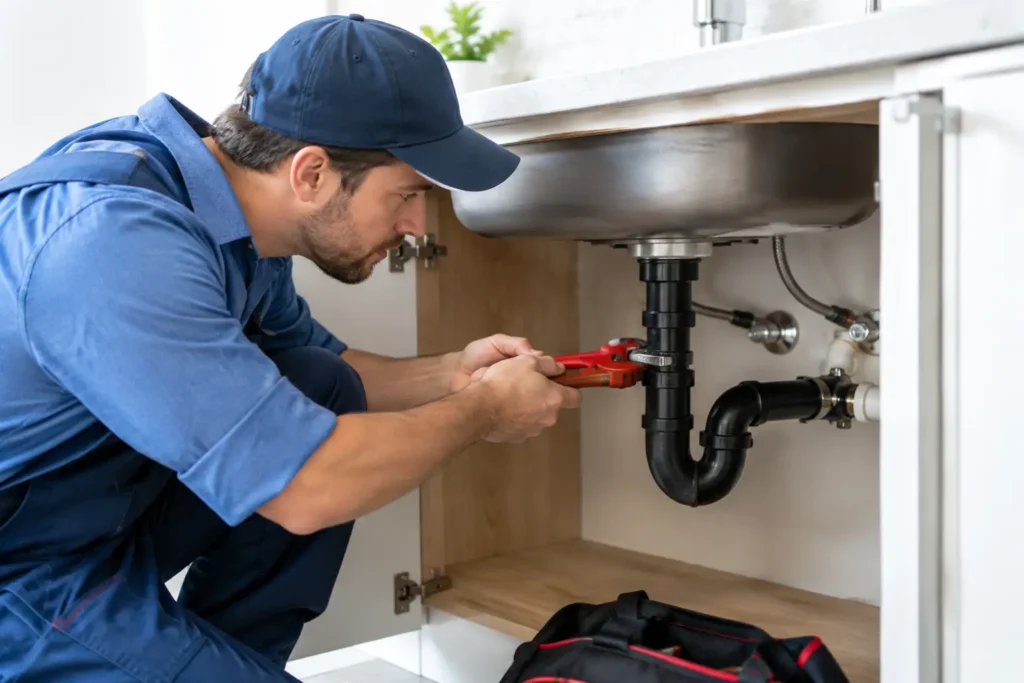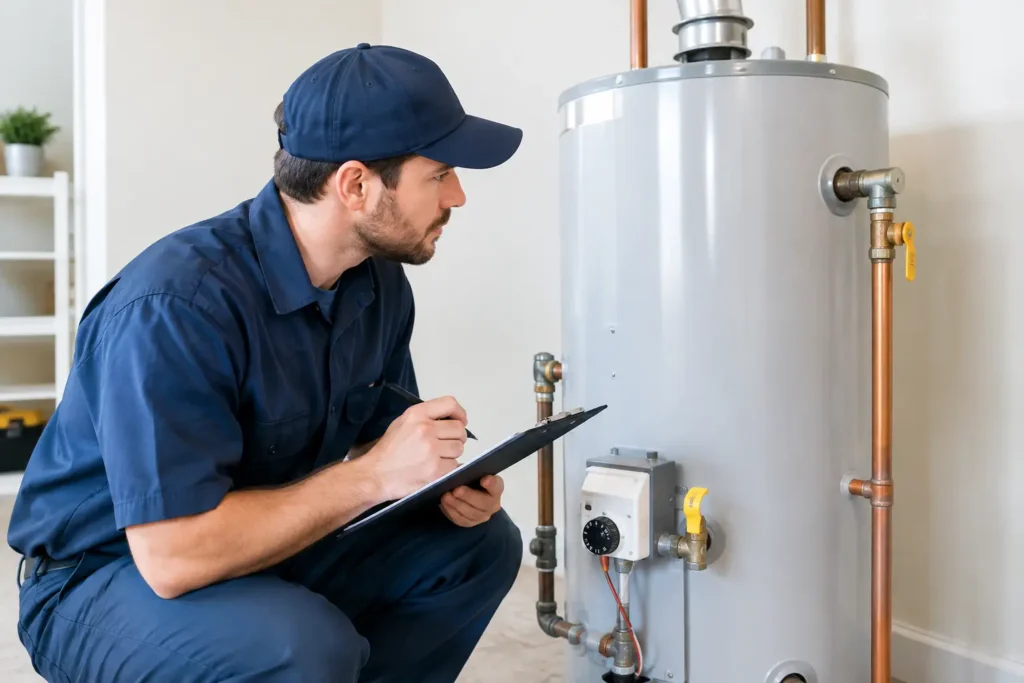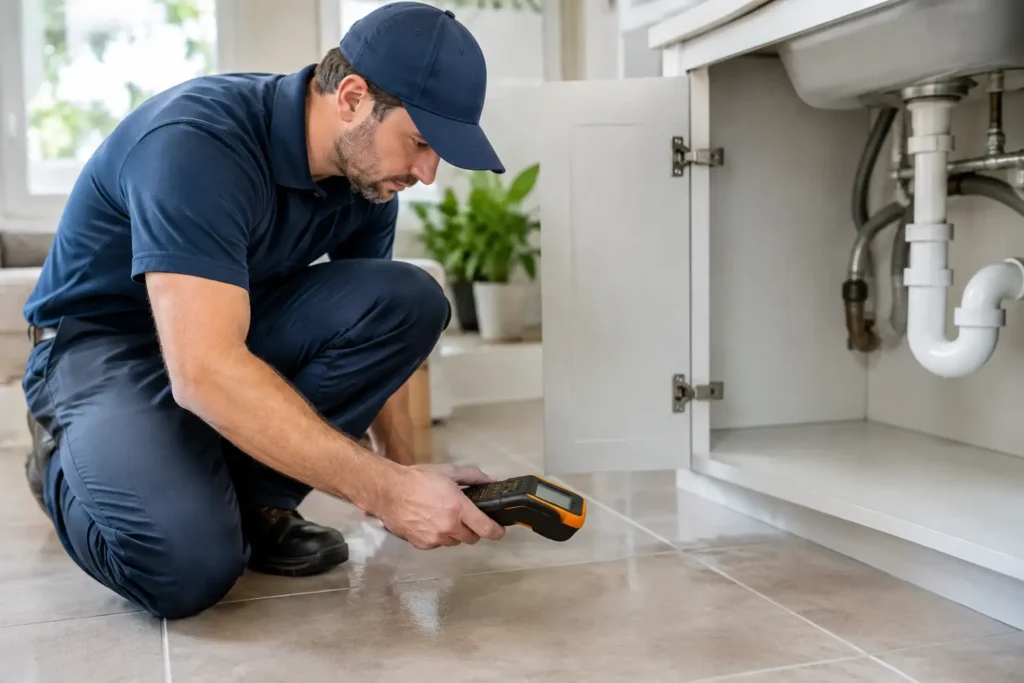


A cold shower is obvious. A water heater problem often starts much quieter: a small puddle at the base of the tank, rusty hot water at one faucet, a burner that keeps cycling, or a household that runs out of hot water sooner than it used to. Prompt water heater repair can protect your property, restore dependable hot water, and prevent a manageable issue from becoming a larger failure.
For homeowners and property managers, the right next step is not automatically replacing the unit or trying to make a quick repair. It is determining what has actually failed, whether the tank itself is still sound, and whether the repair makes practical long-term sense.
Signs Your Water Heater Needs Professional Attention
A water heater should deliver hot water consistently without leaking, making unusual noises, or creating concerns about water quality. When any of those conditions change, arrange a professional evaluation before the issue interrupts your routine or damages nearby flooring, walls, or belongings.
A visible leak is one of the clearest reasons to call. Not every puddle means the tank has failed. Moisture may come from a fitting, valve, pipe connection, or another serviceable component. But water coming from the tank body itself can indicate internal corrosion, which is a more serious concern. A technician needs to identify the precise source rather than assume the answer from the location of the water alone.
Changes in hot-water capacity also deserve attention. If the water becomes lukewarm quickly, recovery takes much longer than normal, or only some fixtures receive adequate hot water, the cause could range from a heating component to sediment buildup, a control issue, or a plumbing distribution problem. Tankless units can have their own causes, including flow-related or ignition-related issues. The symptoms may look similar, but the proper repair is not always the same.
Discolored water, a metallic odor, or popping and rumbling sounds can also point to a problem. In Northeast Florida, water conditions and mineral content can affect plumbing equipment over time. Sediment can accumulate in a tank, reducing efficiency and contributing to noise. Rust-colored hot water may indicate corrosion inside the heater or a separate issue in the plumbing system. A proper diagnosis separates these possibilities before work is recommended.
For gas water heaters, any unusual gas odor, soot, burner trouble, or signs of venting concerns should be treated seriously. Avoid attempting a repair yourself. Keep people clear of the area and contact an appropriately qualified professional or emergency service as the situation requires.
What a Water Heater Repair Diagnosis Should Include
Water heaters combine plumbing, heating equipment, controls, and safety components. Replacing a visible part without testing the system can leave the original problem unresolved. A diagnostic-first visit should begin with the homeowner’s observations: when the issue started, whether hot water is completely gone or inconsistent, where moisture appears, and whether any changes were noticed in water color, pressure, or noise.
From there, a professional plumber can inspect the heater, connections, shutoff components, drain area, and related plumbing. The evaluation differs by equipment type. On a tank-style heater, the condition of the tank, heating source, temperature controls, connections, and protective components all matter. On a tankless system, the technician may need to assess operation, flow conditions, error indications, venting where applicable, and maintenance-related concerns.
The goal is to explain the findings in plain language. If a component can be repaired and the overall unit remains in sound condition, repair may be a reasonable option. If the tank is leaking from corrosion or multiple significant issues are developing, continued repair may not be the responsible recommendation. You should know what was found, what options are available, and the pricing for authorized work before repairs begin.
Why the Source of the Leak Matters
A leaking water heater does not always mean the same thing. A failed connection may be repairable. A leaking valve may need replacement after the cause is evaluated. Condensation can sometimes be mistaken for a leak. By contrast, corrosion through the tank shell typically cannot be corrected with a durable repair.
That distinction matters because patching the wrong area or replacing a part without addressing the underlying cause can delay the real solution while increasing the chance of water damage. Clear diagnosis protects both the property and the investment in the repair.
Repair or Replacement: How to Make the Call
There is no one answer for every water heater. A professional recommendation should consider the condition of the existing unit, the type of failure, its age, repair history, household hot-water demand, and whether the equipment was properly sized in the first place.
Repair often makes sense when the tank is structurally sound and the problem is isolated to a serviceable component. For example, controls, heating elements, ignition-related parts, connections, and certain valves may be repairable depending on the model and condition of the system. A repair can restore reliable operation without the cost and disruption of immediate replacement.
Replacement may be the wiser path when the tank is compromised, the unit has recurring failures, parts are no longer practical to obtain, or the home’s needs have changed. A growing family, an added bathroom, a remodeled kitchen, or a light commercial application can change hot-water demand significantly. Installing a new heater without considering capacity and recovery needs can create the same frustrating shortage from day one.
Tankless water heaters deserve the same careful evaluation. They can be an excellent fit for some properties, but selection and installation depend on hot-water demand, fuel or electrical requirements, location, venting where applicable, water conditions, and existing plumbing. A tankless unit is not automatically the right choice simply because it is newer technology. Proper sizing and code-compliant installation are what make either type of system perform as intended.
What to Do While You Wait for Service
If water is actively escaping from the heater and threatening floors, cabinets, or stored items, move valuables away from the affected area if it is safe to do so. Avoid using the hot water system until the issue has been evaluated, particularly if the leak is worsening or water is near electrical equipment.
Do not try to bypass safety devices, force stuck valves, adjust gas components, or open electrical panels. Water heaters operate under conditions that can create burn, electrical, gas, and water-damage risks when handled incorrectly. A qualified plumber can assess the situation and take the appropriate steps without creating a second problem.
If the heater stops producing hot water but there is no visible leak or safety concern, take note of what you observed. Is the issue affecting every fixture? Did the hot water fade gradually or stop suddenly? Are there sounds, discoloration, or error displays? Those details help narrow the diagnosis and can make the service visit more efficient.
Choose Workmanship That Protects Your Property
Water heater service should not be treated as a quick swap or a guess based on the age of the unit. The quality of the diagnosis, the condition of the supporting plumbing, correct sizing, and code-compliant installation all affect performance and reliability. This is especially true in homes where a heater is located in a garage, closet, attic, utility room, or another area where a leak can affect surrounding materials.
For property owners in St. Johns County and surrounding Northeast Florida communities, Kingdom Based Plumbing Inc. approaches water heater concerns by identifying the actual source of the problem, explaining the available options clearly, and performing clean, professional work with no shortcuts. Whether the answer is a targeted repair or a planned replacement, the objective is dependable hot water and a solution that makes sense for the property.
A water heater rarely fails at a convenient time. Paying attention to the early signs and calling for a proper evaluation gives you more control over the decision, protects your home, and helps keep a small concern from becoming an urgent disruption.