
A sewer backup rarely starts with a dramatic warning. It may begin with a toilet that gurgles when the washing machine drains, a shower that empties slowly, or an unpleasant odor near a floor drain.
When several fixtures experience problems at once, the cause may be deeper in the plumbing system rather than an isolated clog.
Hydro jetting a clogged sewer line can be an effective cleaning method for certain types of buildup. However, high-pressure cleaning is not appropriate for every pipe or blockage. Understanding the cause of the problem should come before choosing a cleaning method.
At Kingdom Based Plumbing Inc., we believe property owners deserve a clear explanation of their plumbing problems and practical options before authorizing work.
What Is Hydro Jetting a Clogged Sewer Line?
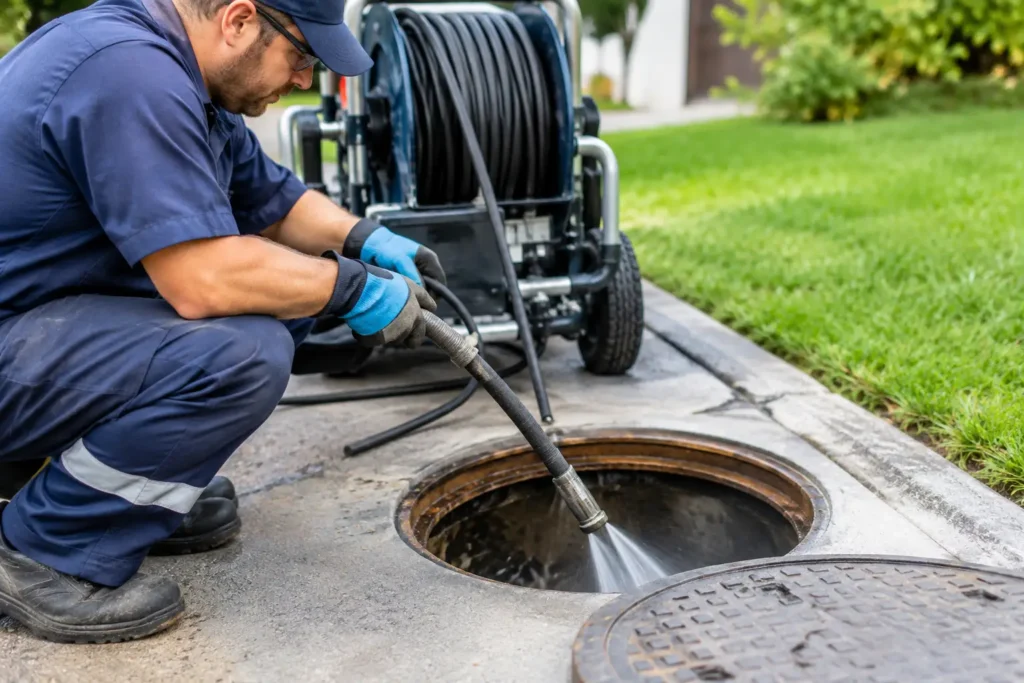
Hydro jetting is a drain and sewer cleaning method that uses specialized equipment to deliver high-pressure water through a pipe.
The equipment typically includes a pressure-rated hose and a nozzle designed to direct water against buildup inside the line.
Depending on the equipment, nozzle, pipe condition, and type of obstruction, hydro jetting may help remove:
- Grease and food-related residue.
- Soap buildup and sludge.
- Certain mineral deposits and scale.
- Accumulated debris along pipe walls.
- Some root material and other removable obstructions.
Unlike conventional drain cabling, which often opens a passage through a blockage, hydro jetting can clean a larger portion of the pipe’s interior surface.
However, neither method repairs damaged piping. The correct approach depends on the condition of the sewer line and the underlying cause of the restriction.
When Does Hydro Jetting a Sewer Line Make Sense?
Hydro jetting may be worth considering when repeated drain problems are caused by material accumulating inside otherwise suitable piping.
A professional evaluation can help determine whether high-pressure water cleaning is appropriate or whether another method would be safer or more effective.
Recurring Sewer Line Blockages
If the same sewer line continues clogging after previous cleaning, there may be an underlying condition contributing to the problem.
Grease, sludge, root intrusion, or structural defects can all cause recurring restrictions.
A thorough cleaning may help when buildup is the primary issue. However, repeated backups caused by damaged piping may require a different solution.
Heavy Grease and Sludge Buildup
Kitchen drains and certain commercial drainage systems can develop significant grease and organic buildup over time.
When appropriate for the piping, hydro jetting may remove accumulated material that conventional cabling does not fully clear.
Cleaning effectiveness depends on the type of buildup, available access, and pipe condition.
Multiple Slow Drains or Sewer Backups
When multiple fixtures drain slowly or back up together, the problem may involve a shared branch or main sewer line.
Common warning signs include:
- Toilets gurgling when another fixture drains.
- Wastewater backing up into a bathtub or shower.
- Several fixtures draining slowly at the same time.
- Recurring blockages after previous drain cleaning.
- Unpleasant sewer odors accompanied by drainage problems.
These symptoms do not automatically mean hydro jetting is needed. They indicate that the drainage system deserves professional evaluation.
Why Sewer Inspection Matters Before Hydro Jetting
High-pressure water can be effective against certain obstructions, but it should not be used without considering the condition of the pipe.
A damaged, deteriorated, or improperly connected sewer line may not be suitable for aggressive cleaning.
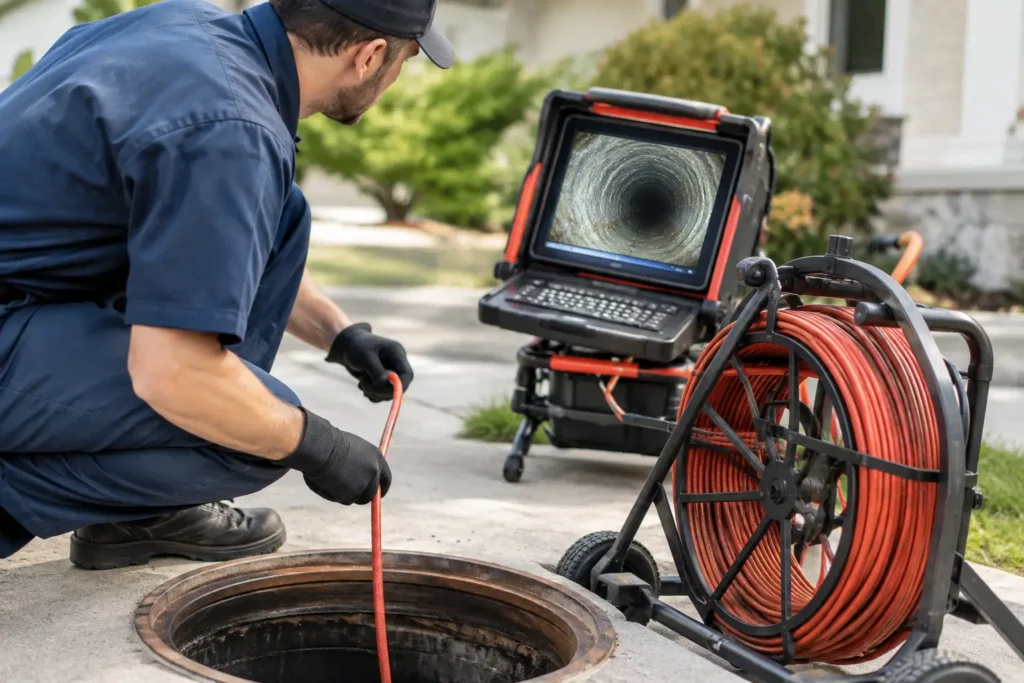
Depending on the circumstances, a plumber may recommend a sewer camera inspection to evaluate accessible sections of the line.
A camera inspection may help identify:
- Root intrusion through damaged joints.
- Cracked or separated sewer piping.
- Heavy grease or debris buildup.
- Offset pipe connections.
- Low sections of piping that retain wastewater.
- Collapsed or severely deteriorated sections.
A camera cannot always travel through a complete blockage, and standing wastewater may limit visibility. Sometimes cleaning or additional diagnostic work is necessary before the condition of the pipe can be adequately evaluated.
The important distinction is that hydro jetting cleans suitable piping; it does not repair structural sewer damage.
If a sewer line is cracked, collapsed, or severely misaligned, cleaning alone may not provide a dependable solution.
Learn more about professional drain cleaning and how different drainage problems are evaluated.
How Does Professional Hydro Jetting Work?
The process generally begins with identifying an appropriate access point and evaluating the drain or sewer line.
A trained technician selects equipment and a nozzle suitable for the pipe size, material, condition, and type of obstruction.
The hose is introduced through an appropriate access point, and high-pressure water is directed through the line to loosen and flush removable buildup.
Some nozzles use rear-facing water jets to help propel the hose and move loosened material through the piping.
The technician must account for the direction of flow, available drainage, pipe condition, and the possibility of wastewater backing up during cleaning.
Afterward, additional evaluation may be appropriate if the property has a history of recurring blockages or suspected sewer damage.
Hydro jetting is not a guaranteed solution for every clog. A collapsed line, severe pipe displacement, or structural defect may require repair rather than additional cleaning.
Hydro Jetting vs. Drain Snaking: What’s the Difference?
Both hydro jetting and conventional drain snaking can be useful, but they serve different purposes.
Drain Snaking and Cable Cleaning
A drain cable uses a rotating tool to break through, cut, or retrieve certain obstructions.
Conventional cabling may be appropriate for:
- Isolated fixture clogs.
- Hair and debris near bathroom drains.
- Certain root obstructions.
- Blockages that can be opened with mechanical equipment.
- Situations where high-pressure cleaning is not appropriate.
Cable cleaning can restore drainage efficiently, although some buildup may remain along the pipe walls.
Hydro Jetting and High-Pressure Cleaning
Hydro jetting uses water pressure and specialized nozzles to remove certain types of buildup from the pipe interior.
It may be appropriate for:
- Heavy grease accumulation.
- Widespread sludge or residue.
- Certain recurring restrictions.
- Pipes that have been evaluated and are suitable for the procedure.
Hydro jetting is not automatically better than cabling. More pressure does not necessarily produce a better result, especially when piping is older or damaged.
The best sewer cleaning method is the one appropriate for the actual condition of the line.
Can Hydro Jetting Damage Sewer Pipes?
Hydro jetting can damage piping when unsuitable equipment, pressure, or techniques are used, particularly if the line is already deteriorated or structurally compromised.
Older sewer systems may contain pipe materials or connections that require special consideration.
Existing cracks, separated joints, severe corrosion, and weakened pipe walls can increase the risk associated with aggressive cleaning.
This is why professional judgment matters.
Before recommending hydro jetting, a qualified service provider should consider the available information about the pipe material, condition, access, and suspected obstruction.
A responsible recommendation should explain both the potential benefits and the limitations of the proposed cleaning method.
Will Hydro Jetting Remove Tree Roots?
Specialized high-pressure cleaning equipment may remove some root material from a sewer line, depending on the equipment and conditions.
However, removing roots does not repair the opening that allowed them to enter.
If roots are growing through separated joints, cracked piping, or other defects, they may return after cleaning.
Repeated root intrusion can indicate a need for further evaluation or sewer repair.
A professional should distinguish between removing the immediate obstruction and addressing the underlying pipe condition.
What If the Sewer Line Has a Belly or Collapsed Section?
A sewer belly is a low section of piping where wastewater and solids can accumulate because the line does not maintain the intended drainage slope.
Cleaning may temporarily remove material from the affected area, but it does not correct the pipe’s alignment.
Likewise, hydro jetting cannot restore a collapsed sewer line to its original condition.
When the underlying problem is structural, repair or replacement of the affected section may be necessary.
For homeowners dealing with repeated problems, identifying these conditions can help prevent spending money on cleaning methods that cannot correct the cause.
What Should You Do During a Sewer Backup?
If wastewater is backing up into toilets, showers, bathtubs, or floor drains, stop using water fixtures when safe to do so.
Running washing machines, dishwashers, sinks, or additional toilets may add more wastewater to an already obstructed system.
Avoid pouring chemical drain cleaners into the line. These products may not resolve a main sewer blockage and can create hazards for anyone working on the plumbing.
If sewage has entered an occupied area:
- Avoid direct contact with contaminated wastewater.
- Keep children and pets away from affected areas.
- Stop adding water to the drainage system when possible.
- Arrange professional plumbing evaluation.
- Consider appropriate water-damage restoration assistance when contamination has affected the property.
Sewer backups can create both plumbing and sanitation concerns.
For additional information, see our emergency plumbing services.
Choosing the Right Sewer Cleaning or Repair Solution
A sewer line that drains properly after cleaning may still have an underlying problem if blockages repeatedly return.
The appropriate next step depends on the cause.
Heavy buildup may call for thorough cleaning. Root intrusion may require evaluating the pipe joints. A low section, collapsed line, or severely damaged pipe may require a repair discussion.
At Kingdom Based Plumbing Inc., our approach is to understand the problem, explain the findings, and recommend practical options based on the condition of the plumbing.
We believe homeowners should know the difference between clearing a blockage and correcting the condition that caused it.
Drain and Sewer Services in Northeast Florida
Kingdom Based Plumbing Inc. is a family-owned plumbing company serving St. Johns County, Jacksonville, St. Augustine, Ponte Vedra, Nocatee, Fleming Island, and surrounding Northeast Florida communities.
Whether you’re dealing with a slow drain, recurring sewer backup, or suspected underground pipe damage, identifying the source of the problem is an important first step.
Our focus is on professional workmanship, clear communication, and transparent pricing before authorized work begins.
We evaluate drain and sewer concerns and help customers understand appropriate cleaning, diagnostic, and repair options.
Schedule a Drain or Sewer Evaluation With Kingdom Based Plumbing
If your sewer line continues backing up or several fixtures are draining slowly, don’t assume another cleaning will permanently solve the problem.
A professional evaluation can help determine whether conventional drain cleaning, further inspection, or a sewer repair is the appropriate next step.
Call Kingdom Based Plumbing Inc. at 904-814-8541 to discuss your drain or sewer concerns and schedule service.
Getting the right diagnosis helps protect your property and supports a more dependable long-term solution. S