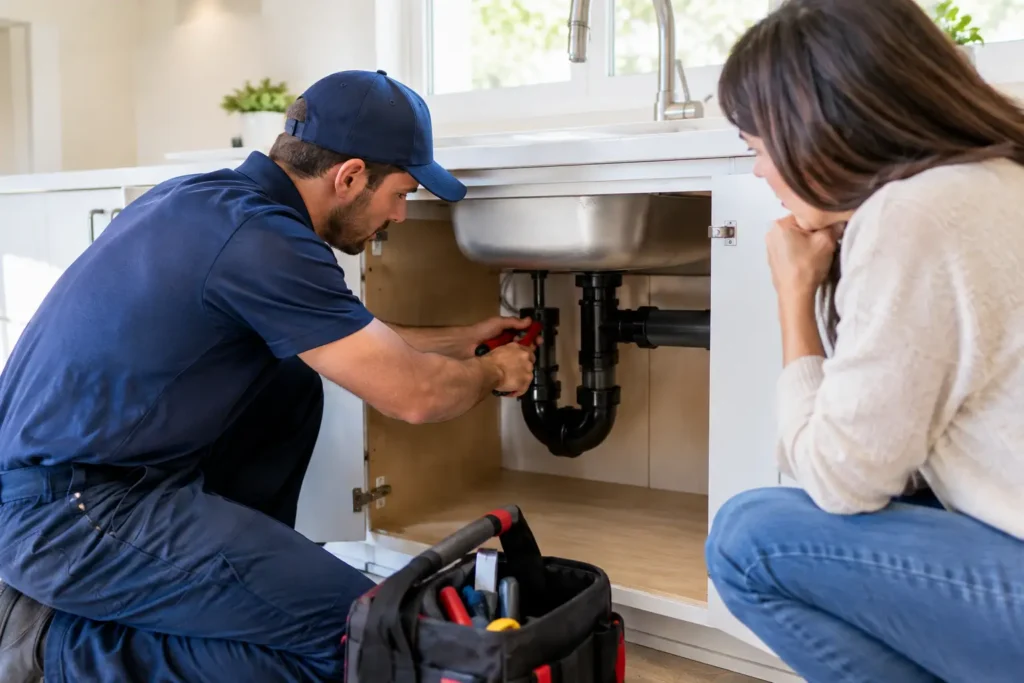


A water bill that rises without a clear reason is frustrating. So is discovering a leak only after flooring, cabinetry, or a yard has already been damaged. Smart water meters can help homeowners spot unusual water use earlier, but they are not a substitute for proper plumbing diagnosis. They tell you that water is moving. A qualified plumber determines where it is going, why it is happening, and what needs to be repaired.
For homeowners and property managers, the value is early warning. A device that notices continuous flow at 2 a.m. may point to a running toilet, a failed irrigation valve, a dripping fixture, a water heater relief-valve discharge, or a hidden leak under a slab or behind a wall. The sooner the issue is identified, the more options you usually have.
What smart water meters actually do
The term “smart water meter” can describe two different systems. Your water utility may replace or upgrade its meter with a remotely read meter. That utility-owned meter lets the provider collect usage data without manually reading the meter and may give customers access to daily or hourly consumption through an online portal.
A home-installed smart water monitor is different. It is installed on the home’s main water line, usually near the main shutoff valve. Depending on the model and installation, it may monitor flow, send alerts to a phone, estimate where water is being used, or close an automatic shutoff valve when it detects a possible leak.
Both types can be useful, but their capabilities vary. A utility meter may help show a pattern of high use over time. An in-home monitor can provide faster alerts and, when paired with a shutoff valve, may reduce the duration of an active leak. Before choosing equipment, make sure you understand who owns it, what data it provides, and whether it can actually stop water flow.
How smart water meters detect a possible leak
Most systems look for patterns rather than seeing a leak directly. Water use that continues for an unusually long period, repeats at odd hours, or exceeds a preset amount can trigger an alert. Some devices are more detailed than others, but all have limits.
A continuous low-flow alert may be caused by a toilet flapper that is not sealing. A larger, steady flow may point to a broken pipe, a failed supply line, or an irrigation problem. Short bursts can be normal appliance cycles, water-softener regeneration, ice maker use, or someone taking a shower. That is why an alert is a reason to investigate, not an automatic diagnosis.
The meter location matters too. A device installed on the main line can only monitor water passing that point. If it is installed after a branch line or does not include an irrigation connection, it may not see every source of water use. Likewise, a utility meter at the property line may indicate water is leaving the service line, but it cannot tell whether the loss is in the yard, beneath the home, or at a fixture indoors.
What an alert can and cannot tell you
Smart monitoring is especially helpful for recognizing a problem that would otherwise stay hidden. It can show that there is flow while the house is vacant, help document when consumption changed, and notify you before an ongoing leak becomes a month-long surprise.
It cannot confirm the exact location of a leak, determine whether a pipe is corroded or physically damaged, or tell you if water has already affected building materials. It also cannot replace a sewer camera inspection for a drainage problem. Fresh-water leaks and sewer issues are different systems, requiring different diagnostic methods.
If you receive an alert, first check for visible signs: a running toilet, dripping faucet, water around the water heater, wet cabinetry, or a leaking hose connection. If the alert continues and there is no clear cause, avoid guessing or opening pressurized plumbing components. A professional evaluation can isolate the affected line and help prevent unnecessary repairs.
When an automatic shutoff valve makes sense
A smart monitor with automatic shutoff can be a sensible addition for some properties. It is often most valuable for a vacant home, seasonal property, rental home, or a household where an extended leak could go unnoticed. It may also benefit homeowners with aging supply lines, previous leak history, or finished areas that would be costly to restore after water damage.
There are trade-offs. An automatic valve may shut off water during a legitimate high-use event if its settings are not configured correctly. It can also complicate matters for irrigation systems, water treatment equipment, fire-sprinkler systems, or appliances that require scheduled water use. The valve needs reliable power and communication, and the installation must account for the home’s pipe material, valve access, water pressure, and any existing shutoff arrangement.
Automatic shutoff should not be treated as a reason to ignore maintenance. Supply hoses, toilet components, water heater connections, pressure-regulating equipment, and exposed plumbing still need periodic attention. Smart equipment adds another layer of protection. It does not make a worn plumbing system new.
Smart monitoring and water heater leaks
Water heaters deserve special attention because a slow leak can begin quietly. A smart meter may notice ongoing flow if the water heater’s temperature-and-pressure relief valve is discharging or if a connected hot-water line is leaking. But it may not detect a tank that is leaking externally onto the floor if no additional water is flowing through the meter.
Homeowners should still look for moisture around the tank, rust at connections, water beneath the unit, unusual sounds, temperature changes, and hot-water shortages. If water is coming from the relief valve, the cause could involve pressure, temperature, expansion control, or the valve itself. Do not cap or plug that safety valve. Have the water heater and related plumbing diagnosed correctly.
For tankless water heaters, a meter may reveal unexpected recirculation or a fixture leak that is keeping the unit cycling. Again, the device identifies a pattern. Diagnosis determines whether the issue is equipment operation, a crossover condition, a recirculation setting, or a leak.
Choosing a smart water meter for your property
Start with the problem you want to solve. If you mainly want to understand monthly use, your water utility’s portal may be enough. If you want immediate leak alerts while away from home, an in-home monitor may be a better fit. If your priority is limiting damage from a major indoor leak, consider whether an automatic shutoff valve is appropriate for your plumbing layout.
Before purchasing, verify that the system is compatible with your pipe size and material, has dependable app support, and can communicate from the installation location. Many meters are located outdoors or in garages, where Wi-Fi coverage may be weak. Northeast Florida homes also need equipment and installation choices that hold up to heat, humidity, and outdoor exposure.
Ask how the system handles power interruptions, whether it stores usage history, what happens if internet service is down, and whether manual operation of the shutoff valve remains simple. A good installation should preserve access to the main shutoff and should not create a restrictive or hard-to-service arrangement.
A professional diagnosis still matters
When unexplained water use appears, the right next step is to narrow the source before recommending a repair. A plumbing professional may compare meter activity with fixture testing, inspect toilets and visible connections, check water pressure, isolate interior and exterior lines, and use appropriate leak-detection methods when the source is concealed. If the problem involves the water service from the meter to the house, the approach may be different from diagnosing an interior pipe leak.
That diagnostic-first process helps avoid replacing the wrong component. A high bill is not always a slab leak, and a leak alert is not always an emergency. But active water, a rapidly moving meter with fixtures off, wet floors or walls, falling water pressure, or water near electrical equipment should be addressed promptly.
Kingdom Based Plumbing helps homeowners throughout Northeast Florida investigate unexplained water use, hidden leaks, water service concerns, and water heater problems with clear findings and practical repair options. Clean work. Proper installation. No shortcuts.
Smart monitoring works best when it supports good plumbing decisions: pay attention to the alert, verify what you can safely see, and bring in a professional when the source is not obvious. Early information can protect your home, but the lasting solution comes from finding and correcting the cause.