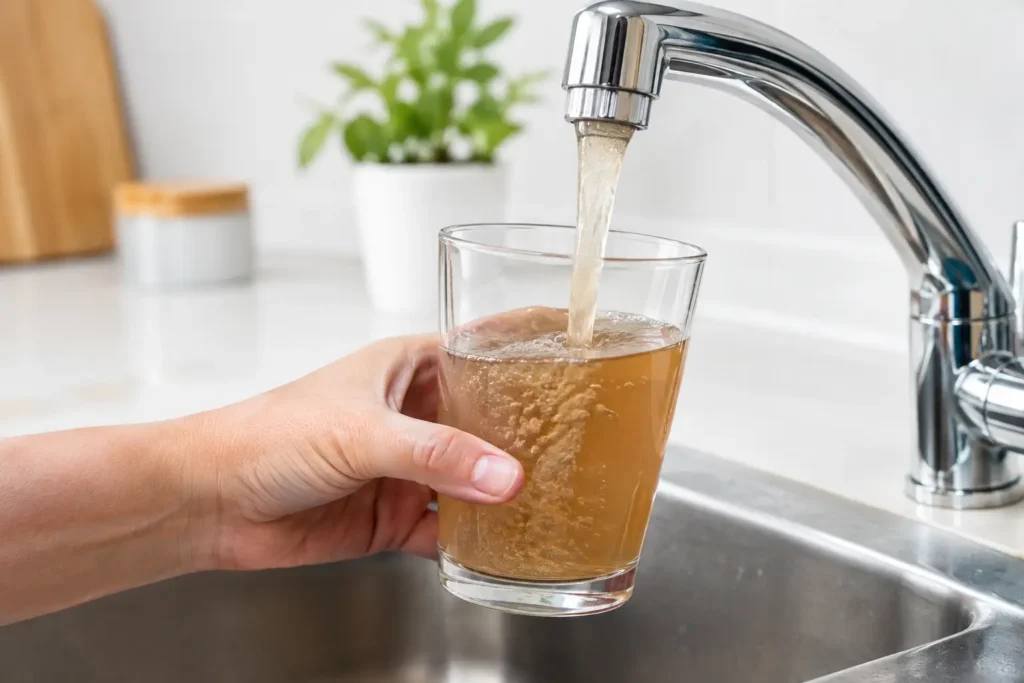


A toilet that gurgles after the washing machine drains, a kitchen sink that keeps slowing down, or wastewater backing up in a tub can all point to the same problem: a restricted drain line. In the decision between drain snaking versus hydro jetting, the right answer is not simply whichever method sounds stronger. It depends on what is inside the pipe, where the blockage is located, how often it returns, and whether the pipe itself is in condition to be cleaned safely.
A professional drain diagnosis starts with the symptoms and the drain layout, not with a one-size-fits-all tool. The goal is to restore flow while also identifying why the line clogged so you are not dealing with the same backup again a few weeks later.
How Drain Snaking Works
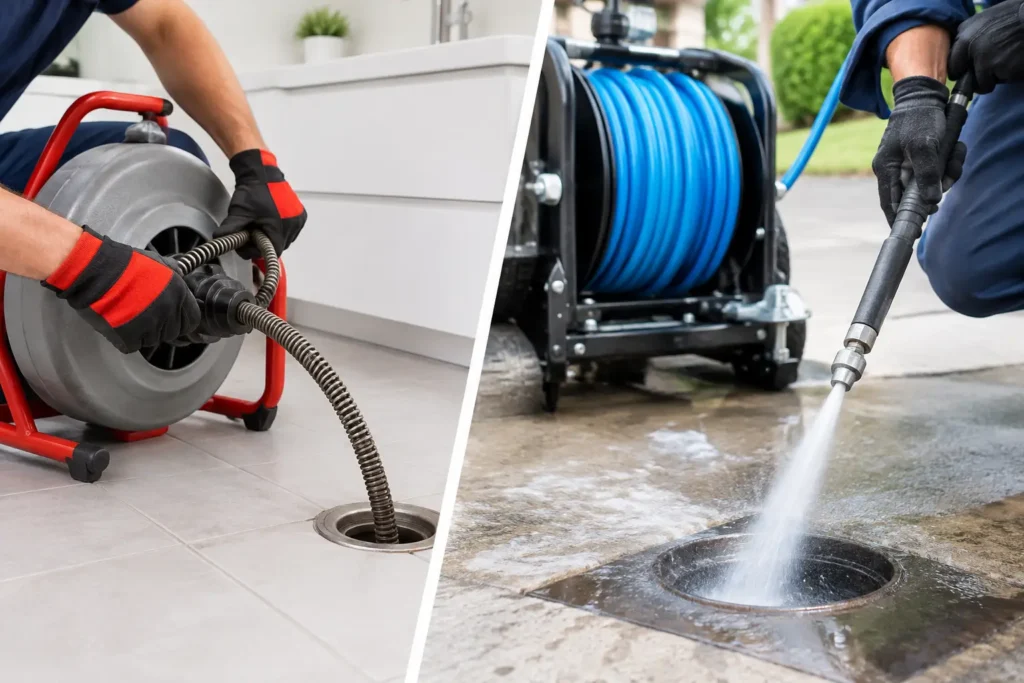
Drain snaking, also called cable cleaning or augering, uses a flexible steel cable with a cutting or retrieval head. As the cable moves through the drain, the head breaks apart or pulls through the obstruction. It is commonly used for localized clogs in sinks, toilets, tubs, showers, and smaller branch drains.
A drain snake is often a practical first option when the evidence points to a single blockage. For example, hair and soap buildup near a shower drain, paper-related toilet clogs, or an item caught close to a fixture may respond well to cable cleaning. The technician selects the cable size and head based on the pipe and the suspected material in the line.
The main strength of snaking is precision. It can open a path through a blockage without introducing large volumes of water into the plumbing system. It is also useful when a clog needs to be retrieved rather than pushed farther down the line.
However, opening a hole through a clog is not always the same as thoroughly cleaning the pipe wall. In a kitchen line coated with grease or a sewer line with widespread buildup, a cable may restore drainage while leaving material behind. That remaining buildup can collect debris and lead to another slow drain or backup.
How Hydro Jetting Cleans a Drain Line
Hydro jetting uses a specialized hose and nozzle to send controlled, high-pressure water through a drain or sewer line. The nozzle directs water forward to help break up obstructions and backward to scour debris from the pipe walls while moving the hose through the line.
This method is especially effective for soft buildup spread along a pipe rather than one compact obstruction. Grease, sludge, soap residue, scale, accumulated debris, and certain root intrusions can all contribute to recurring sewer and drain problems. Hydro jetting can remove more of that material from the pipe interior than a cable alone.
That deeper cleaning makes hydro jetting a strong option for a kitchen drain that repeatedly clogs, a main sewer line with chronic backups, or a light commercial property where frequent use creates grease and debris buildup. It can also be valuable as part of a maintenance plan when a line has a known history of recurring restrictions.
Hydro jetting is not automatically appropriate for every pipe. Older lines, damaged pipes, sections affected by corrosion, displaced joints, or pipes compromised by roots may need further evaluation first. Water pressure does not cause a sound pipe to fail, but it can expose an existing defect. That is why a diagnostic-first approach matters.
Drain Snaking Versus Hydro Jetting: The Key Differences
The practical difference comes down to whether the job calls for opening a blockage or cleaning a larger section of pipe. Drain snaking mechanically cuts through or retrieves the material causing a restriction. Hydro jetting uses water to flush and scour a broader area of the line.
For a simple, nearby clog, snaking may be the efficient and appropriate choice. If one bathroom sink is slow while every other fixture works normally, the issue may be limited to that fixture drain or its branch line. A cable can often address that type of blockage without the need for full-line cleaning.
For repeated main line problems, hydro jetting may deliver a more complete result. If multiple fixtures drain slowly, toilets bubble, or water appears in a tub or shower when another fixture is used, the problem may be farther down the sewer system. Grease buildup, roots, scale, or debris over a long run of pipe can require more than a small opening through the blockage.
Neither method repairs a broken sewer pipe. If a camera inspection shows a collapsed section, separated joint, significant offset, or pipe damage, cleaning may provide only short-term relief. Repair or replacement becomes the more dependable long-term solution.
When a Camera Inspection Should Come First
A drain camera inspection helps take the guesswork out of recurring or serious drainage issues. It allows a plumber to see the inside of the line and identify whether the restriction is caused by roots, grease, foreign material, damage, or a combination of issues.
Camera diagnostics are particularly useful when a drain has been snaked more than once, when backups keep returning, or when a main sewer line has affected more than one fixture. They are also helpful before hydro jetting older plumbing or a line with an unknown condition.
The camera can show whether there is room for cleaning to solve the problem or whether the pipe needs repair. It may also identify a belly in the line, where a low section holds water and debris. Hydro jetting can clear accumulated material from that area, but it cannot correct the slope of the pipe. Understanding that distinction helps property owners make informed decisions instead of paying repeatedly for temporary fixes.
Common Clog Problems and the Better Method
Kitchen drains often benefit from hydro jetting when grease is the primary issue. Even if grease is poured down the sink as a liquid, it can cool and harden farther down the pipe. Dish soap may move some grease along, but it does not eliminate years of buildup. A cable may open the restriction, while jetting can better clean the coating left on the pipe walls.
Bathroom drains are often good candidates for snaking when hair, soap residue, or a small object is concentrated near the fixture. If several bathroom fixtures are affected at the same time, though, the problem may be in a larger shared line and require a more complete diagnosis.
Tree roots in a sewer line require added care. Cable cleaning can cut through roots and restore flow. Hydro jetting can help flush root debris and buildup from the pipe, but neither option permanently seals a pipe joint where roots can re-enter. If roots return regularly, a camera inspection can help determine whether repair is needed.
For a toilet clog caused by paper or an object near the bowl, hydro jetting is generally not the starting point. The goal is to clear or retrieve the blockage without creating a larger problem. Proper tool selection protects the fixture and the plumbing system.
Signs You Should Call for Professional Drain Service
A single slow drain can sometimes be a localized issue, but certain symptoms call for prompt professional attention. Contact a plumber when you notice:
- Sewage or dirty water backing up into a tub, shower, sink, or floor drain.
- Multiple fixtures draining slowly or making gurgling sounds.
- A drain that clogs again soon after being cleared.
- Water pooling around a cleanout or a sewer odor near the home.
Avoid repeatedly using chemical drain cleaners while waiting for service. These products can be hazardous, may not remove the actual obstruction, and can complicate drain work if they remain in the line. Do not run more water into a fixture that is backing up, since that can increase the chance of overflow and property damage.
Choosing the Right Long-Term Solution
The best drain cleaning method should match the condition of the line and the cause of the blockage. A professional evaluation considers which fixtures are affected, the age and material of the pipes, the history of previous clogs, and whether a camera inspection reveals damage.
For homeowners and property managers in Northeast Florida, recurring drain or sewer issues deserve more than a quick temporary opening. Kingdom Based Plumbing approaches drain problems by identifying the cause first, explaining the available repair or cleaning options clearly, and recommending the work that fits the condition of the plumbing system.
If drainage problems keep coming back, the useful next step is not guessing between a snake and a jetter. It is finding out what the pipe is telling you, then cleaning or repairing it the right way.