

A cold shower is inconvenient. Water collecting beneath the water heater, rusty hot water, or a relief valve that keeps discharging can be a much bigger concern. If you are considering water heater replacement in Nocatee, the right decision starts with identifying why the existing unit failed and whether a repair would be dependable or merely delay the next problem.
A water heater is connected to your home’s water supply, drain system, fuel or electrical service, and safety controls. Replacing one is not simply a matter of setting a new tank in the same spot. Proper sizing, secure connections, code-compliant safety components, and a careful startup all affect how safely and reliably the new system performs.
When Water Heater Replacement Makes More Sense Than Repair
Some water heater problems are repairable. A failed heating element in an electric tank, a worn thermostat, a pilot or ignition issue, or a leaking connection may not require a new heater. A professional diagnosis can separate a serviceable component problem from a failing appliance.
Replacement becomes the stronger long-term choice when the tank itself is leaking. Water heater tanks corrode from the inside over time, and a leak through the tank wall cannot be permanently repaired. Rust around the base of the unit, water pooling below it, or corrosion at seams deserves prompt attention, particularly when the heater is located in a garage, attic, closet, or finished area where a leak can damage surrounding property.
Age also matters, but it is not the only factor. An older unit that has been reliable may still be worth repairing if the issue is isolated and the tank is sound. On the other hand, repeated repairs, declining hot-water capacity, visible corrosion, or an inefficient unit with an uncertain remaining lifespan often point toward replacement. The best answer depends on the heater’s condition, repair history, household demand, and installation setup.
Signs Your Nocatee Water Heater Needs Attention
Loss of hot water is the symptom homeowners notice first, but it is not the only warning sign. Changes in performance can reveal sediment buildup, a failing burner or element, thermostat problems, or a tank nearing the end of its service life.
Watch for these issues and arrange an evaluation before they worsen:
- Water around the base of the heater or moisture on nearby piping
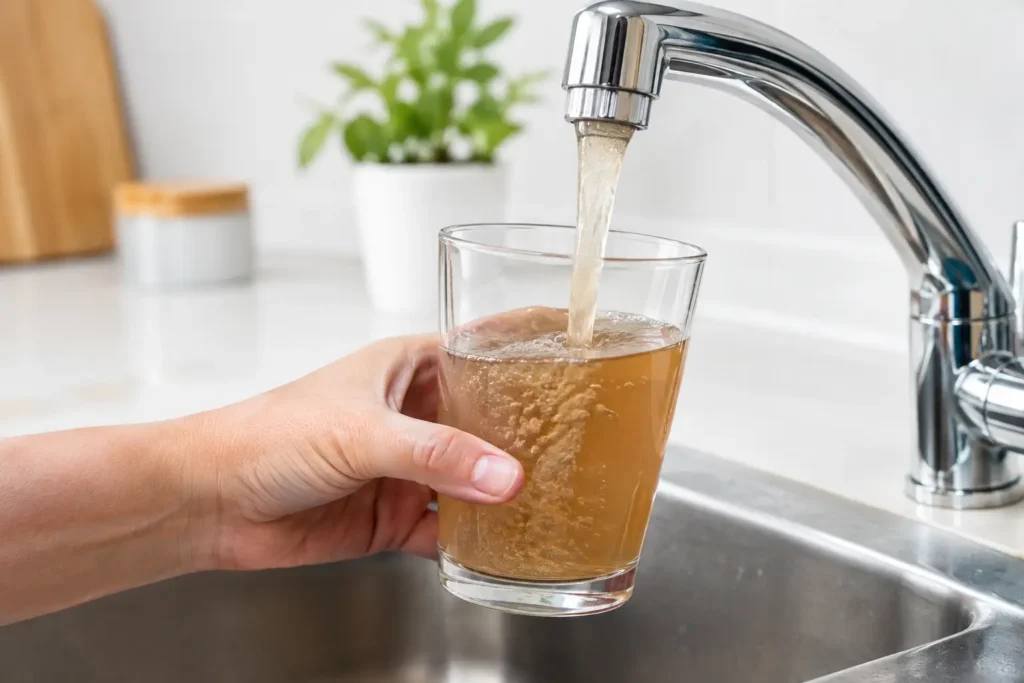
- Rust-colored water from hot-water faucets, especially when it is new or worsening
- Rumbling, popping, or banging noises as the tank heats
- Hot water that runs out much faster than usual
- A noticeable increase in the time required for water to heat
- A temperature-and-pressure relief valve that discharges water repeatedly
Not every symptom means replacement is necessary. For example, popping sounds can come from sediment in a tank, while rusty water can originate in aging plumbing pipes rather than the heater. That is why diagnosis matters. Replacing equipment without confirming the cause can leave the underlying problem unresolved.
A Leak Needs Quick, Careful Evaluation
If a water heater is actively leaking, turn off the water supply to the appliance if you can do so safely, protect nearby belongings, and contact a professional plumber. Avoid touching electrical components or attempting to work on gas connections. If the leak is substantial, water is near electrical equipment, or you smell gas, treat the situation as urgent.
A technician can determine whether the water is coming from a fitting, drain valve, relief valve, condensate connection, or the tank itself. Those sources have very different repair options. A failed tank calls for replacement, while an external connection may be repairable when caught early.
What a Professional Water Heater Diagnosis Should Cover
Before recommending a replacement, a plumber should inspect more than the age label on the tank. The goal is to identify the failed part, assess the condition of the system, and make sure a new unit will meet the property’s needs.
The evaluation should include the heater’s capacity and recovery performance, the condition of visible water and drain connections, the safety relief valve and discharge piping, ventilation requirements for applicable fuel-fired units, and the available electrical or fuel supply. The plumber should also look for corrosion, signs of leakage, improper prior installation, and any condition that could affect the replacement work.
For property owners, this process provides a clearer basis for the repair-versus-replace decision. It also prevents common mistakes, such as installing a similar-size unit even though the household has changed or overlooking a deteriorated shutoff valve that should be addressed during the project.
Choosing the Right Replacement Water Heater
The best replacement is not always the largest tank or the newest technology. It should match the household’s hot-water demand, available space, energy source, plumbing configuration, and long-term goals.
Tank Water Heaters
Traditional storage-tank heaters remain a practical choice for many Nocatee homes. They provide a stored supply of hot water, have familiar operating characteristics, and may be the simplest replacement when the existing space and connections are suitable. The key is selecting capacity based on real demand, not just copying the old unit’s size.
A household with multiple showers used at the same time, a large soaking tub, or frequent laundry and dishwasher use may need a different capacity or recovery rate than a smaller household. Too little capacity leads to cold-water complaints. Oversizing can increase energy use and take up unnecessary space.
Tankless Water Heaters
Tankless systems heat water as it flows rather than storing it in a tank. They can be a good fit for some homes, especially where space savings, longer equipment life expectations, or continuous hot-water demand are priorities. They are not automatically the right choice for every property.
A tankless installation must be sized for the number of fixtures likely to run at once and the incoming water temperature. It may also require changes to gas piping, venting, electrical service, water piping, or condensate drainage. Those requirements should be evaluated before choosing equipment, not discovered after installation begins.
Efficiency and Emerging Options
Some homeowners also ask about high-efficiency and heat-pump water heaters. These systems can reduce energy use in the right setting, but they have installation considerations involving space, airflow, condensate management, electrical requirements, and operating noise. A professional assessment can help determine whether the property can support the equipment and whether the trade-offs make sense for the owner.
Proper Installation Is More Than Connecting a New Unit
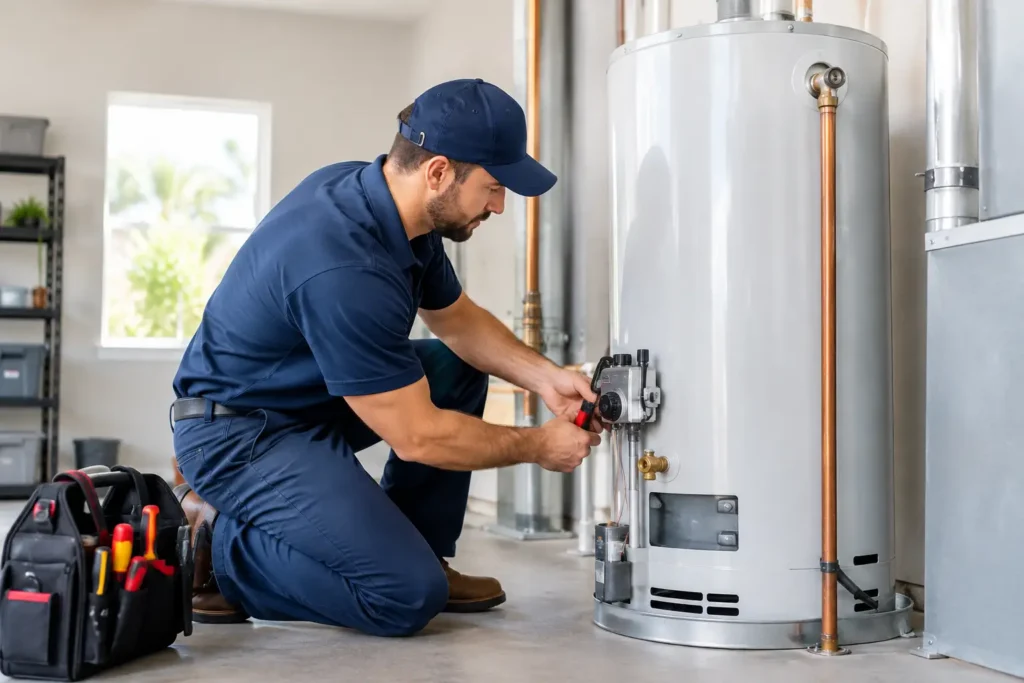
A quality water heater replacement includes protecting the property, removing the old unit appropriately, and installing the new system with attention to the details that affect safety and service life. Depending on the equipment and location, this may include new supply connections, shutoff valves, a properly routed relief-valve discharge line, drain-pan considerations, secure venting, and correct gas or electrical connections.
Local code and permit requirements may apply to water heater work. These requirements exist to address real safety issues, including combustion air, venting, temperature-and-pressure relief protection, expansion control, and electrical safety. A professional plumber can evaluate the installation conditions and complete the work without shortcuts.
After installation, the system should be tested for leaks, proper operation, and safe performance. Homeowners should also understand where the water shutoff is located, what normal operation sounds like, and which changes warrant a service call.
Protecting the New Water Heater
No water heater lasts forever, but a few practical habits can reduce avoidable problems. Check the area around the heater periodically for moisture or corrosion. Keep stored items away from the appliance, especially near controls, venting, or drain piping. If the water heater is installed in an attic or interior closet, pay closer attention because even a small leak can cause extensive damage before it is noticed.
Water quality can also affect equipment life. Mineral content and sediment may contribute to buildup inside a tank, while corrosive water conditions can affect plumbing components. If you are seeing repeated sediment issues, unusual water appearance, or frequent fixture problems, a broader plumbing and water-quality evaluation may be worthwhile.
For homeowners and property managers, the goal is not to replace equipment prematurely. It is to make a sound decision before a failing water heater becomes a property-damage event. Kingdom Based Plumbing can inspect the system, explain the findings in plain language, and help you choose a repair or replacement path that fits the home. Clean work, proper installation, and no shortcuts give the next water heater its best chance to serve your household reliably.