

Smart Plumbing: Leak Detection, Automatic Shutoffs, and Home Protection
Smart plumbing technology can help homeowners detect unusual water activity, receive leak alerts, and, with certain systems, automatically shut off the water supply before a leak causes extensive damage.
A small supply-line leak behind a wall, a failing toilet valve, or a leaking water heater can go unnoticed for hours or days. By the time water stains appear, moisture may already have reached cabinets, flooring, drywall, or other building materials.
Smart water monitoring offers another layer of protection.
However, these devices do not replace proper plumbing installation, routine maintenance, or professional leak detection.
For homeowners in Jacksonville, St. Johns County, Nocatee, Ponte Vedra, St. Augustine, and surrounding Northeast Florida communities, choosing the right technology starts with understanding the home’s plumbing system and the risks you want to reduce.
This guide explains how smart plumbing works, which devices are available, where they provide value, and what to consider before installation.
What Is Smart Plumbing?
Smart plumbing refers to plumbing-related devices that monitor water activity, provide notifications, or automate certain responses.
Some systems monitor the home’s main water supply.
Others protect specific areas, such as:
- Water heaters
- Washing machines
- Kitchen sinks
- Bathroom vanities
- Refrigerators
- Toilets
- Utility rooms
Depending on the product, smart plumbing devices may detect water flow, pressure changes, moisture, or unusual usage patterns.
Some systems only send alerts.
Others can close a compatible valve when programmed conditions are met.
The important distinction is that detecting a possible leak and physically stopping the water are different functions.
How Does Smart Plumbing Leak Detection Work?
Different systems use different methods.
Whole-Home Water Flow Monitoring
A whole-home water monitor evaluates water activity in the main supply line.
Depending on its design, it may analyze:
- Water flow
- Pressure changes
- Duration of water use
- Unusual continuous consumption
- Patterns that differ from normal household activity
When the system identifies a possible problem, it may send a notification to the homeowner.
Smart Water Leak Sensors
Moisture sensors detect water at specific locations.
They may be placed beneath appliances or near plumbing connections where leaks are more likely to occur.
These sensors can be useful for detecting water that has already escaped onto a surface.
However, a sensor cannot detect a leak that never reaches its location.
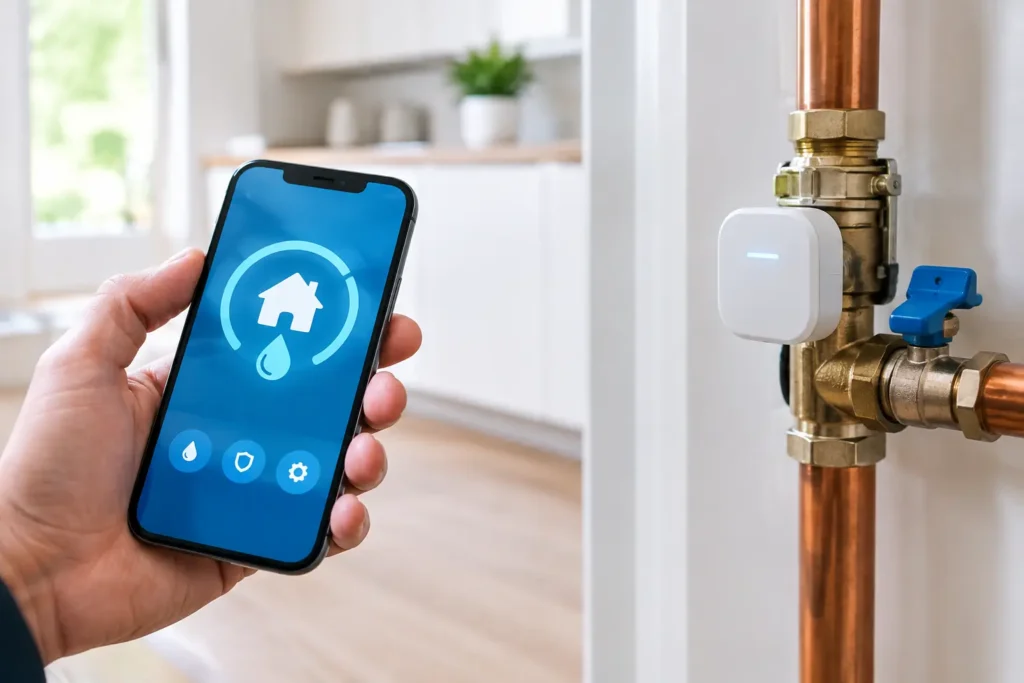
Automatic Water Shutoff Valves
An automatic shutoff device can close the water supply when its connected system detects a condition that meets the shutoff criteria.
Some devices are integrated into the main supply line.
Others operate a compatible existing valve.
The installation and operating requirements vary by manufacturer.
Smartphone Notifications
Many smart plumbing systems use a mobile application to display alerts and operating information.
Some offer remote controls or water-use reports.
Features depend on the specific equipment, connectivity, and service configuration.
Smart Plumbing Devices Compared
Not every home needs the same equipment.
| Device | Main function | Important limitation | |—|—|—| | Moisture sensor | Detects water at a specific location | Cannot detect leaks outside its sensing area | | Whole-home water monitor | Identifies unusual supply-water activity | May require investigation to determine the cause | | Automatic shutoff valve | Stops supply water under programmed conditions | May interrupt water needed by other systems | | Smart water heater monitoring | Provides available equipment alerts and operating information | Does not prevent every tank or connection failure | | Smart water-use monitoring | Helps identify consumption changes | Unusual usage does not always mean a leak |
For some properties, a few strategically placed moisture sensors may be sufficient.
Others may benefit from a professionally installed whole-home monitoring and shutoff system.
Seven Ways Smart Plumbing Can Help Protect a Home
1. Detect Hidden Supply-Line Leaks
A concealed leak may develop behind drywall, beneath flooring, or inside a cabinet.
A whole-home monitor may identify unusual continuous water use before the damage becomes visible.
However, the alert does not identify the exact location of the leak.
Professional leak detection may still be needed.
2. Provide Earlier Water Heater Leak Alerts
Water heaters can develop leaks at tanks, valves, or piping connections.
A moisture sensor positioned appropriately near the heater may provide an early warning.
Certain water heater models also offer connected monitoring features.
These systems do not replace physical inspection or appropriate maintenance.
Learn more about water heater services.
3. Monitor Washing Machine Connections
Washing machine supply hoses and valves are potential sources of water damage.
A nearby sensor may alert the homeowner when water reaches the sensing area.
A sensor does not replace deteriorated hoses or defective valves.
4. Detect Water Beneath Kitchen Sinks
Kitchen cabinets can conceal slow leaks.
A sensor beneath the sink may help identify water escaping from supply connections or other plumbing components.
The source still needs to be identified before repair.
5. Identify Running Toilets
Some whole-home monitors may detect prolonged or unusual water use associated with a running toilet.
However, normal irrigation, water treatment cycles, and other household activities may create similar usage patterns.
6. Protect Vacant Properties
A seasonal home or rental property may sit unoccupied for extended periods.
Alerts and automatic shutoff technology can be particularly useful when nobody is present to notice a leak.
A response plan is still necessary.
7. Help Track Water Consumption
Certain monitoring systems provide water-use information.
Changes in consumption may help homeowners identify waste, unusual activity, or possible plumbing problems.
The information should be interpreted alongside normal household routines.
Is an Automatic Water Shutoff Valve Worth It?
An automatic water shutoff valve may be useful for homeowners concerned about significant supply-line leaks.
Its value depends on the home’s plumbing configuration, occupancy, and risk factors.
When Automatic Shutoff May Be Helpful
Consider evaluating automatic shutoff technology when:
- The property is vacant frequently.
- Previous leaks have caused significant damage.
- The home has concealed supply piping.
- A water heater is located near finished living areas.
- There is a history of recurring plumbing failures.
- The homeowner wants additional monitoring while traveling.
What Happens When the Valve Closes?
Depending on the installation, the system may stop water to the entire home.
This can interrupt toilets, faucets, appliances, and other equipment connected downstream.
What About Irrigation and Fire Protection?
A whole-home shutoff must be planned around the actual plumbing layout.
Irrigation, fire protection, water treatment equipment, and other systems may have special requirements.
A smart shutoff should not be installed in a way that improperly interrupts a required fire protection water supply.
The contractor should identify affected branches and applicable requirements before installation.
Can the System Shut Off Water by Mistake?
Some systems may respond to unusual but legitimate water use.
Product settings and learning features vary.
The homeowner should understand how the equipment operates, how alerts are handled, and how water service is safely restored.
Smart Plumbing for Water Heater Protection
Water heaters deserve particular attention because a leaking tank or failed connection can release water into surrounding areas.
Moisture Sensors Near the Heater
A sensor may detect water collecting beneath or near the equipment.
The placement should match the actual installation and likely water paths.
Smart Water Heater Controls
Some connected water heaters provide operating information, notifications, or remote settings.
Available features depend on the manufacturer and model.
Automatic Shutoff Protection
A compatible system may be able to stop incoming water when a leak condition is detected.
However, shutting off incoming water does not necessarily eliminate all water already stored in a tank or piping system.
What Smart Monitoring Cannot Replace
Smart features do not correct:
- Corroded plumbing connections
- Failed shutoff valves
- Improper drain arrangements
- Tank deterioration
- Inadequate installation conditions
- Other equipment defects
If the water heater is actively leaking, it should be evaluated promptly.
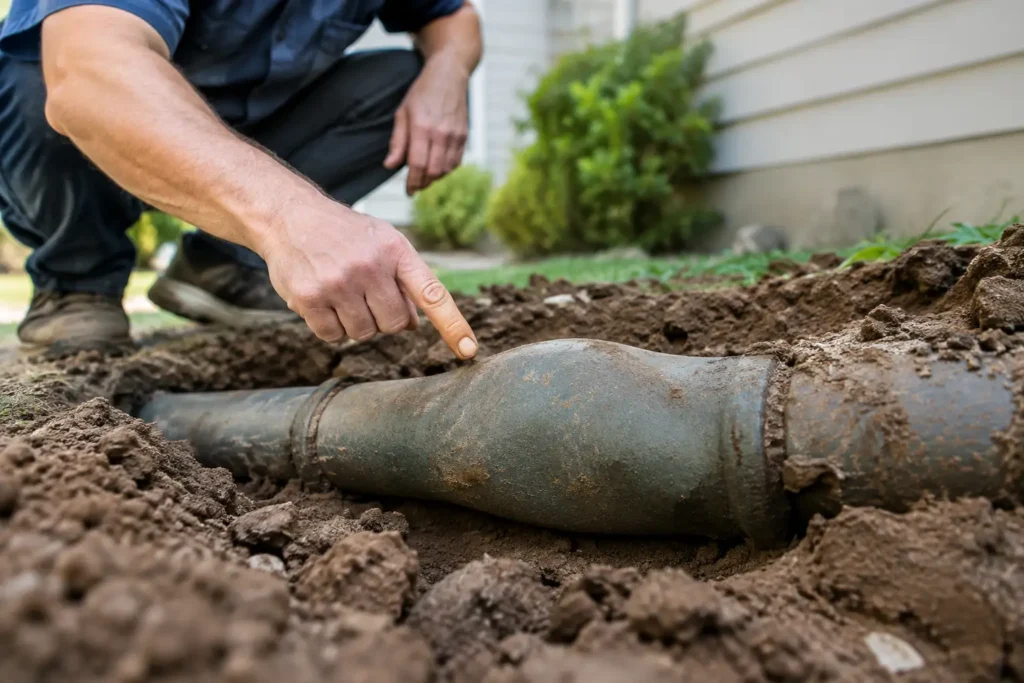
Smart Plumbing for Slab Leaks and Hidden Water Lines
Some Northeast Florida homes have water supply piping beneath concrete slabs or concealed inside walls.
A leak in these locations may not become visible immediately.
Whole-home monitoring may identify unusual supply-water activity, but it generally cannot determine exactly where an underground or concealed leak is located.
A professional may need to evaluate the water distribution system and use appropriate diagnostic methods.
If the piping has a history of repeated failures, monitoring alone may not be the best long-term answer.
Targeted repair or repiping may be more appropriate depending on the system’s condition.
Can Smart Plumbing Detect Sewer Backups?
Most whole-home supply-water monitors are not designed to detect sewer blockages.
A supply-line monitoring system generally cannot identify:
- Tree roots in sewer piping
- Sewer pipe bellies
- Cracked drain lines
- Main sewer stoppages
- Slow-draining fixtures
- Blocked plumbing vents
Some specialized sensors can detect wastewater or rising water at particular locations, but they have different functions and limitations.
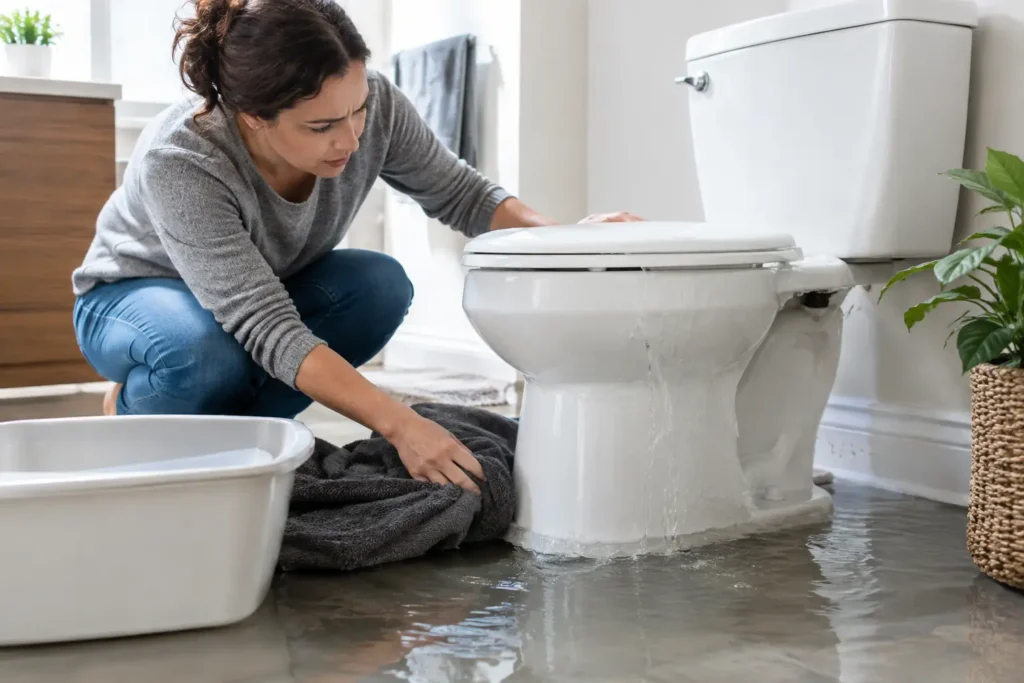
If wastewater is backing up into a shower, tub, toilet, or floor drain, stop using water and arrange professional evaluation.
Learn more about drain cleaning and recurring drainage problems.
What to Consider Before Installing Smart Plumbing
The right installation begins with evaluating the property.
Main Water Shutoff Location
The existing main shutoff should be identified and evaluated.
The new device must be installed in a suitable, accessible location.
Pipe Material and Size
Equipment must be compatible with the existing piping and selected installation method.
Water Pressure
The system should be evaluated for appropriate operating pressure.
Power Requirements
Some devices require nearby electrical power or batteries.
Wireless Connectivity
Wi-Fi or another supported connection may be necessary for remote notifications.
Manufacturer Requirements
Installation clearances, environmental limits, and other manufacturer instructions must be followed.
Service Access
A device should remain accessible for inspection, maintenance, and replacement.
Existing Plumbing Problems
Known leaks, failing valves, or deteriorated piping should be addressed rather than concealed behind new technology.
Smart Plumbing Installation: Professional or DIY?
Some standalone moisture sensors are designed for straightforward homeowner placement.
However, devices requiring modifications to pressurized water supply piping may warrant professional installation.
A main-line shutoff installation may involve:
- Isolating the water supply
- Evaluating existing pipe material
- Modifying water piping
- Installing compatible connections
- Maintaining service access
- Checking for leaks
- Verifying proper operation
Electrical or network setup requirements may vary.
Kingdom Based Plumbing can evaluate plumbing-related installation requirements and determine whether a requested device is appropriate for the existing piping.
Product programming, software subscriptions, network support, and manufacturer-specific equipment service should not be assumed to be included unless expressly stated in the approved scope.
How Much Does Smart Plumbing Installation Cost?
Cost depends on the equipment and installation requirements.
Factors may include:
- Device type
- Whether automatic shutoff is included
- Pipe material and size
- Main water line accessibility
- Required plumbing modifications
- Valve replacement
- Power requirements
- Equipment compatibility
- Additional installation conditions
A standalone moisture sensor is a different project from installing a whole-home automatic shutoff system.
Homeowners should compare the actual protection offered and the full installation requirements rather than choosing based on device price alone.
Smart Plumbing Mistakes to Avoid
Buying a Device Before Checking Compatibility
Not every device fits every pipe size, plumbing arrangement, or installation location.
Assuming Alerts Mean the Problem Is Solved
An alert identifies a possible issue.
The plumbing still needs to be evaluated.
Ignoring Existing Leaks
Installing monitoring equipment does not repair deteriorated pipes or fittings.
Overlooking Connectivity
Remote alerts may depend on internet service, power, batteries, or other operating conditions.
Failing to Plan for Automatic Shutoff
An automatic valve can interrupt legitimate water use.
The installation should account for the systems it controls.
Ignoring Maintenance
Sensors, batteries, valves, and connected equipment may require periodic checks.
Assuming Every Leak Will Be Detected
No monitoring system can guarantee detection of every leak or prevent all water damage.
What to Do When a Smart Water Leak Alert Appears
If a device reports unusual water activity:
- Review the alert and identify the affected area, if provided.
- Check for visible water where it is safe to do so.
- Stop using fixtures that may be contributing to the problem.
- Shut off the affected supply if there is an active leak and the valve can be operated safely.
- Avoid electrical hazards or contaminated water.
- Do not repeatedly reset an automatic shutoff without identifying why it activated.
- Contact a plumbing professional if the cause is uncertain or water damage is occurring.
For major leaks or burst pipes, prompt action is important.
Visit our emergency plumbing services page when urgent plumbing assistance is needed.
Frequently Asked Questions About Smart Plumbing
What is smart plumbing?
Smart plumbing refers to connected or automated devices that monitor water activity, detect moisture, provide alerts, or control water supply equipment.
Can smart plumbing detect hidden leaks?
Some whole-home monitoring systems may identify unusual water activity associated with hidden supply-line leaks. They generally do not pinpoint the exact location.
What is a smart water shutoff valve?
It is a device that can close the water supply automatically or remotely, depending on its design and operating conditions.
Can a smart water shutoff prevent water damage?
It may reduce the amount of water released during certain supply-line leaks. It cannot prevent every type of water damage.
Do smart leak detectors need Wi-Fi?
Some require Wi-Fi or another network connection for remote alerts. Others may provide local alarms or use different communication methods.
Can smart plumbing detect a running toilet?
Some whole-home monitors may identify unusual continuous water use, but the cause must be confirmed.
Can smart plumbing detect a sewer blockage?
Most supply-water monitoring systems cannot. Drain and sewer problems require different diagnostic methods.
Are smart water monitors worth it for vacation homes?
They may be particularly useful when a property is unoccupied for extended periods, especially when paired with a reliable response plan.
Can I install an automatic shutoff valve myself?
Some products are designed for homeowner installation, but modifications to pressurized plumbing may require a qualified professional and compliance with applicable requirements.
Will a smart shutoff work during a power outage?
That depends on the device, power source, backup provisions, and design. Review the manufacturer’s specifications.
Can a smart shutoff affect my irrigation system?
Yes, depending on how the irrigation piping is connected. The plumbing layout should be reviewed before installation.
Does smart plumbing replace professional leak detection?
No. Monitoring may indicate unusual water activity, while professional diagnosis identifies the actual problem and appropriate repair.
Smart Plumbing and Leak Detection in Jacksonville and St. Johns County
Smart plumbing can provide valuable information, but the best protection starts with a reliable water supply system.
Kingdom Based Plumbing Inc. helps homeowners and property managers throughout Jacksonville, St. Johns County, Nocatee, Ponte Vedra, St. Augustine, and surrounding Northeast Florida communities evaluate leaks, water supply piping, shutoff valves, and other plumbing concerns.
Whether you’re considering smart leak monitoring, planning an automatic shutoff installation, or dealing with a recurring water line problem, our goal is to help you understand the plumbing requirements and make an informed decision.
Call Kingdom Based Plumbing at 904-814-8541 to discuss leak detection, water supply concerns, or plumbing-related installation needs.
Clean work. Proper installation. No shortcuts.