
Toilet Overflow Emergency Steps: What to Do First
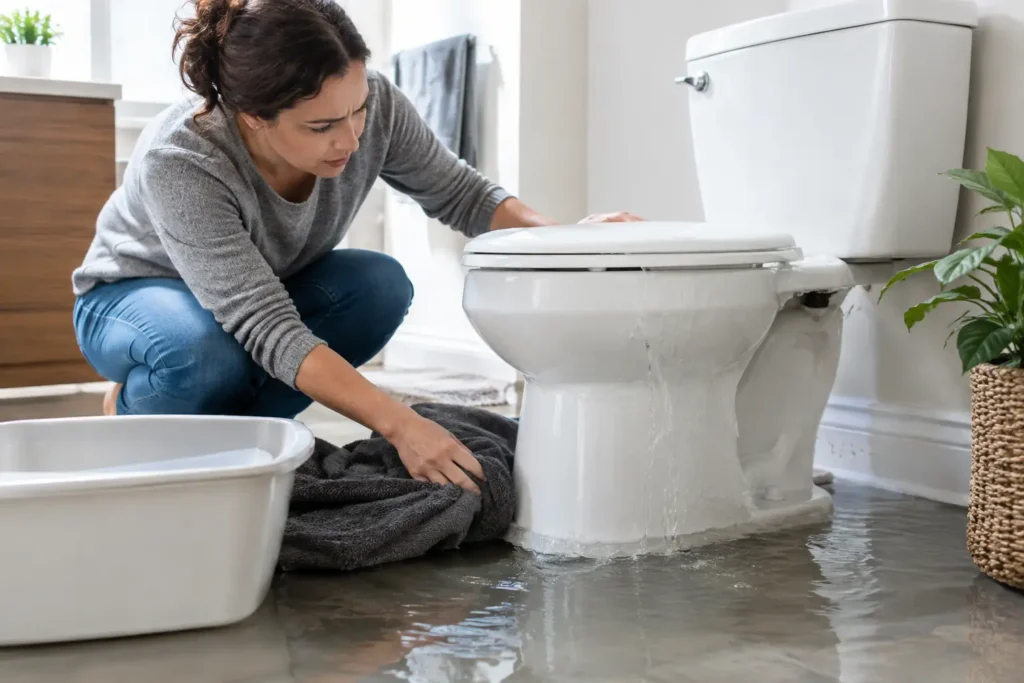
An overflowing toilet can turn into a plumbing emergency in seconds. Knowing the right toilet overflow emergency steps can help stop additional water damage, protect your family, and prevent a simple clog from becoming a larger problem.
If your toilet is overflowing right now, stop flushing and shut off the water supply.
Do not flush again to see whether the blockage has cleared.
Water from an overflowing toilet bowl may contain bacteria or other contaminants, even when it appears relatively clear.
For homeowners in Jacksonville, St. Johns County, Nocatee, Ponte Vedra, St. Augustine, and surrounding Northeast Florida communities, the next step is determining whether the problem involves the toilet itself or a larger drain or sewer blockage.
At Kingdom Based Plumbing Inc., we help homeowners diagnose toilet stoppages, drain backups, and sewer line problems.
Here’s what to do first, what to avoid, and when professional plumbing service is necessary.
Toilet Overflow Emergency Steps: Quick Checklist
If your toilet is actively overflowing:
- Stop flushing immediately. Another flush can send more water onto the floor.
- Close the toilet’s shutoff valve. Turn it clockwise if the valve operates normally.
- Stop water from leaving the tank if necessary. Carefully remove the tank lid and hold the flapper closed if a flush is still underway.
- Keep children and pets away. Overflow water may be contaminated.
- Avoid electrical hazards. Do not touch electrical equipment or enter standing water near energized outlets or appliances.
- Do not use chemical drain cleaners. They can create additional hazards.
- Check other fixtures without running more water. Look for existing signs of backups in showers, tubs, or nearby toilets.
- Call a plumber if the toilet remains blocked, overflows repeatedly, or other drains are affected.
If sewage is backing up through multiple fixtures, stop using water throughout the home until the problem is evaluated.
Step 1: Stop the Toilet From Overflowing
Stopping the water is the immediate priority.
Turn Off the Toilet Shutoff Valve
Most toilets have a water shutoff valve on the wall or floor behind the toilet.
If it is accessible and operates normally, turn the valve clockwise until it closes.
This stops additional water from entering the toilet tank.
Do not force an old, corroded, or damaged shutoff valve. If it will not operate safely, use the home’s main water shutoff when appropriate.
Close the Flapper Inside the Tank
If water is still rushing from the tank into the bowl:
- Carefully remove the tank lid.
- Locate the rubber flapper at the bottom of the tank.
- Press it closed to stop the tank from emptying into the bowl.
- If necessary, raise the float to stop the fill valve from admitting more water.
These steps may help during a normal gravity-tank flush.
Some toilets use different flushing mechanisms, so the components may not look the same.
What If Water Keeps Coming Up With the Supply Turned Off?
If water continues rising in the toilet after its supply is shut off, wastewater may be entering from another fixture or a shared drain.
This is a warning sign of a possible branch drain or main sewer blockage.
Stop using sinks, showers, washing machines, and other water-using fixtures until the situation is evaluated.
Step 2: Protect the Bathroom From Water Damage
Once the overflow stops, keep people and pets away from the affected area.
Avoid walking through contaminated water.
If water has spread near electrical equipment, outlets, or appliances, do not enter the affected area until the electrical hazard has been addressed safely.
Check Nearby Areas
Look for visible water around:
- The toilet base
- Bathroom cabinets
- Baseboards
- Adjacent rooms
- Flooring seams
- Doorways
- Ceilings beneath upstairs bathrooms
Water can move beneath flooring or through openings around plumbing penetrations.
Should You Use Towels?
Towels may help contain a small amount of water when it is safe to do so.
However, towels and other absorbent materials exposed to sewage may become contaminated and require appropriate handling or disposal.
For significant sewage contamination, professional cleanup may be appropriate.
Step 3: Determine Whether the Toilet Is Clogged
A toilet overflow commonly occurs when wastewater cannot pass through the toilet trap or connected drain.
Possible causes include:
- Excess toilet paper
- Flushed wipes
- Paper towels
- Hygiene products
- Children’s toys
- Foreign objects
- Drain buildup
- Branch drain blockages
- Main sewer line stoppages
A blockage may be inside the toilet itself or farther downstream.
Signs of an Isolated Toilet Clog
A localized toilet stoppage is more likely when:
- Only one toilet is affected.
- Other drains appear to be functioning normally.
- The problem started after something was flushed.
- No wastewater is appearing in nearby showers or tubs.
These clues are helpful, but they do not prove the blockage is limited to the toilet.
Signs of a Main Sewer Line Backup
A larger drainage problem may be present when:
- Multiple toilets are affected.
- Water appears in a shower or bathtub.
- Toilets gurgle when another fixture drains.
- Multiple drains are slow.
- Sewage backs up through a floor drain.
- The toilet repeatedly overflows after clearing.
- Wastewater appears outside near a cleanout.
If several fixtures are affected, stop using water and arrange professional drain service.
Learn more about drain cleaning and common drain problems.
Step 4: Should You Try Plunging an Overflowing Toilet?
A plunger may be appropriate for a simple toilet-only clog when there is no evidence of a larger sewer backup.
However, do not plunge while the bowl is overflowing or when contaminated water may splash onto surrounding surfaces.
Use the Correct Plunger
A flange-style toilet plunger is generally better suited to toilets than a flat sink plunger.
The flange helps create a seal around the toilet’s drain opening.
How to Plunge a Toilet Safely
If the water level has stabilized, there is sufficient room in the bowl, and the situation appears limited to one toilet:
- Place the flange over the toilet drain opening.
- Create a seal without splashing.
- Use controlled pushing and pulling motions.
- Stop if the water level rises or the blockage does not respond.
- Avoid repeated flushing to test the drain.
Do not continue aggressive plunging when the toilet may contain a solid object.
A lodged object can require a different removal method.
When Not to Plunge
Avoid further DIY attempts when:
- Multiple fixtures are backing up.
- Sewage is entering the bathroom.
- A hard object may be lodged in the toilet.
- The toilet is cracked or damaged.
- Chemical drain cleaner has already been added.
- Previous plunging attempts have failed.
These situations warrant professional evaluation.
Why Do Toilets Overflow?
Toilet overflows generally involve a drainage obstruction, a flushing mechanism problem, or both.
Too Much Toilet Paper
Large amounts of toilet paper can create a blockage, particularly when the toilet or drain is already partially restricted.
Flushable Wipes
Products marketed as flushable may not break apart like toilet paper.
They can contribute to blockages in toilets and sewer lines.
Foreign Objects
Small toys, hygiene products, and other objects may become lodged in the toilet trap.
Toilet Flushing Problems
A toilet with malfunctioning tank components may continue delivering water into the bowl.
If the drain is restricted, the problem can contribute to an overflow.
Drain Line Buildup
Waste and debris can accumulate inside drain piping.
Tree Root Intrusion
Roots can enter damaged underground sewer piping and contribute to recurring stoppages.
Damaged Sewer Piping
Cracked, offset, or deteriorated drain lines can restrict wastewater flow.
Improper Drainage Conditions
Poor slope, damaged connections, or other installation problems may contribute to recurring drainage issues.
The appropriate repair depends on the actual cause.
Toilet Clog vs. Main Sewer Line Stoppage
Understanding the difference can help homeowners avoid unnecessary work.
| Symptom | Possible issue | |—|—| | One toilet clogged, other drains normal | Toilet trap or nearby branch | | Solid object suspected | Foreign object lodged in toilet | | Multiple toilets backing up | Shared branch or main sewer line | | Shower fills when toilet is used | Downstream drain blockage | | Repeated toilet backups | Recurring obstruction or piping defect | | Sewage near exterior cleanout | Possible main sewer problem | | Toilet continuously running | Tank or fill-valve problem |
These are diagnostic clues, not definitive conclusions.
A professional should determine the actual location and nature of the stoppage before recommending repair.
How a Plumber Clears an Overflowing Toilet
The service method depends on whether the obstruction is isolated to the toilet or farther down the drainage system.
Toilet Augering
A professional toilet auger is designed to reach into the toilet trap and help clear certain blockages.
It may be appropriate when the problem is limited to the toilet.
Removing the Toilet
If a solid object is lodged or the blockage cannot be reached through the fixture, removing the toilet may be necessary.
Toilet removal is a separate procedure and may involve additional labor.
Branch Drain Cleaning
If the obstruction is beyond the toilet, the plumber may need to access the connected drain piping.
Main Sewer Line Cleaning
A main sewer stoppage may require professional drain-cleaning equipment and an appropriate access point.
Sewer Camera Inspection
A camera inspection may be recommended when:
- Blockages recur.
- Roots are suspected.
- Drain piping may be damaged.
- The obstruction cannot be fully explained.
- A larger repair is being considered.
Camera inspection is a diagnostic option, not an automatic part of every toilet stoppage service.
What If the Toilet Cannot Be Cleared?
Not every toilet stoppage can be resolved through plunging or augering.
A foreign object may be firmly lodged inside the toilet, or the fixture may have damage that makes continued attempts impractical.
In some cases, toilet replacement may be the appropriate option.
If the obstruction is in the main sewer line, replacing the toilet will not solve the underlying problem.
The plumber should explain the findings and provide an appropriate repair or replacement recommendation.
Any additional work beyond the approved service scope should be discussed before proceeding.
What to Do After Toilet Overflow Water Reaches the Floor
Cleanup depends on the source and extent of the water.
Treat Bowl Overflow Water as Potentially Contaminated
Even if the water looks clear, it has passed through the toilet bowl.
Use appropriate precautions and avoid unnecessary contact.
Keep Children and Pets Away
Prevent access until the affected area has been properly cleaned and dried.
Handle Porous Materials Carefully
Carpet, padding, fabric, drywall, and other porous materials exposed to sewage may require professional evaluation or removal.
Clean Hard Surfaces Appropriately
Nonporous surfaces should be cleaned and disinfected according to suitable product instructions.
Do not mix bleach with ammonia, acids, or other cleaning products.
Avoid Spreading Contamination
Do not use fans or other equipment in a way that could spread contaminants before appropriate cleaning.
Watch for Hidden Water Damage
Moisture can travel beneath flooring and into wall cavities.
An upstairs bathroom overflow may also affect the ceiling below.
For significant sewage contamination or concealed water damage, a qualified restoration professional may be needed.
Kingdom Based Plumbing can discuss a restoration referral when appropriate.
Is Toilet Overflow Water Considered Sewage?
Water overflowing from a toilet bowl should be treated as potentially contaminated.
The level of contamination depends on the circumstances, but appearance alone does not establish safety.
A supply line leak that occurs outside the toilet is a different situation from water backing up through the bowl.
This distinction matters when determining appropriate cleanup procedures.
For information about floodwater and sewage contamination precautions, consult the CDC’s floodwater safety guidance.
How to Prevent Future Toilet Overflows
Some toilet overflows can be prevented by addressing common causes early.
Flush Only Toilet Paper and Human Waste
Keep wipes, paper towels, hygiene products, cotton products, and other foreign materials out of toilets.
Address Frequent Clogs
A toilet that needs regular plunging may have an underlying restriction or flushing problem.
Keep Small Objects Away
Households with young children may benefit from keeping small toys and other objects away from toilets.
Watch for Slow Drains
Recurring slow drainage or gurgling may indicate a larger problem.
Maintain Aging Sewer Lines
Properties with recurring sewer stoppages may benefit from targeted evaluation.
Repair Malfunctioning Toilet Components
A toilet that runs continuously or does not flush correctly should be inspected.
Know Where the Shutoff Valve Is
Knowing how to stop the toilet’s water supply can reduce damage during an emergency.
When Should You Call an Emergency Plumber for a Toilet Overflow?
Professional help is appropriate when:
- The toilet continues overflowing.
- The shutoff valve does not work.
- Multiple drains are backing up.
- Sewage is entering the home.
- A foreign object may be lodged in the toilet.
- The toilet overflows repeatedly.
- A main sewer line blockage is suspected.
- Water damage is spreading.
For urgent plumbing concerns, visit our emergency plumbing services page.
Frequently Asked Questions About Toilet Overflow Emergencies
What is the first thing to do when a toilet overflows?
Stop flushing and close the toilet’s water shutoff valve if it can be operated safely. If water is still leaving the tank, closing the flapper may help.
Should I flush again after a toilet overflows?
Do not repeatedly flush a blocked toilet. Another flush can cause more water to spill onto the floor.
How do I stop a toilet from overflowing without a plunger?
Close the water supply valve. If necessary and accessible, close the flapper inside the tank. This stops additional supply water but does not clear the blockage.
Can a toilet overflow because of a main sewer clog?
Yes. A main sewer blockage can cause wastewater to back up through toilets, showers, tubs, or other fixtures.
Why does my shower fill when I flush the toilet?
This can indicate a blockage downstream of the fixtures. Stop using water and arrange professional drain evaluation.
Should I use Drano in an overflowing toilet?
No. Chemical drain cleaners are not recommended for overflowing toilets and can create hazards for occupants and plumbing technicians.
Can a plumber remove a toy stuck in a toilet?
Depending on the object’s location, a plumber may be able to remove it with appropriate tools or by removing the toilet.
Does an overflowing toilet mean I need a new toilet?
Not necessarily. Many overflows are caused by blockages that can be cleared. Replacement may be appropriate if the toilet is damaged or an obstruction cannot be removed.
Is toilet overflow water dangerous?
It can contain bacteria or other contaminants. Treat water from the bowl as potentially contaminated and use appropriate cleanup precautions.
Does homeowners insurance cover toilet overflow damage?
Coverage depends on the policy, cause of the overflow, and circumstances. Homeowners should document damage and contact their insurance provider for coverage questions.
Can toilet overflow water damage the ceiling downstairs?
Yes. Water may travel through floor penetrations and concealed spaces, potentially affecting ceilings and other materials below.
How do I know whether I have a toilet clog or sewer backup?
One affected toilet may suggest a localized blockage. Multiple affected fixtures, gurgling, or wastewater entering showers can indicate a larger drain or sewer problem.
Emergency Toilet and Drain Service in Jacksonville and St. Johns County
An overflowing toilet should be handled promptly, but the correct repair depends on the cause.
Kingdom Based Plumbing Inc. helps homeowners and businesses throughout Jacksonville, St. Johns County, Nocatee, Ponte Vedra, St. Augustine, and surrounding Northeast Florida communities diagnose toilet stoppages, drain backups, and sewer line concerns.
Whether the problem requires toilet augering, further drain cleaning, removal of a lodged object, or evaluation of a recurring mainline stoppage, our goal is to identify the issue and explain the appropriate options.
Call Kingdom Based Plumbing at 904-814-8541 for toilet overflow and drain backup assistance.
24/7 emergency plumbing service available, subject to technician availability.
Clean work. Proper diagnosis. No shortcuts.