

Polybutylene Pipe Replacement: Warning Signs, Costs, and Repiping Options
Polybutylene pipe replacement is an important consideration for homeowners with aging water supply systems, especially when the property has experienced recurring leaks or still contains original polybutylene plumbing.
Polybutylene, commonly called PB pipe, was installed in many American homes from the late 1970s through the mid-1990s. Although some systems remain in service, the material has a documented history of premature deterioration and leakage.
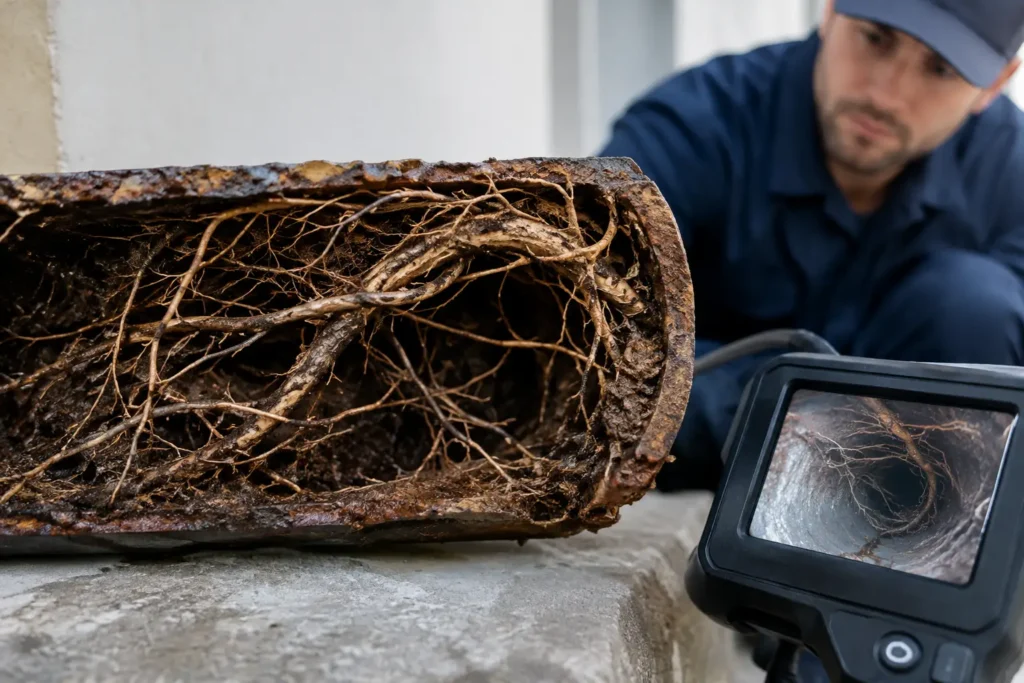
The challenge is that a polybutylene pipe can appear normal from the outside while deterioration develops in concealed areas.
For homeowners in Jacksonville, St. Johns County, Nocatee, Ponte Vedra, St. Augustine, and surrounding Northeast Florida communities, identifying the piping material and evaluating the existing system can help prevent unexpected plumbing failures.
Not every home requires an immediate emergency repipe. However, confirmed polybutylene piping deserves a careful assessment and a practical replacement plan.
What Is Polybutylene Pipe?
Polybutylene is a flexible plastic piping material formerly used in residential water supply systems.
It was popular because it was relatively inexpensive, lightweight, and easier to install than some traditional rigid piping materials.
Over time, concerns developed about premature failures involving the piping and certain connection systems.
What Does Polybutylene Pipe Look Like?
Polybutylene supply piping is often gray, although other colors were also manufactured.
Common identifying features include:
- Flexible plastic tubing
- Gray, blue, or occasionally other pipe colors
- Markings such as PB2110
- Plastic or metal fittings
- Installation in homes built during the period when PB was commonly used
Pipe color alone is not enough to confirm polybutylene.
Other piping materials can look similar.
A professional plumber can examine accessible markings, fittings, and connections to help identify the system.
Where Is Polybutylene Commonly Found?
PB piping may be present:
- Near water heaters
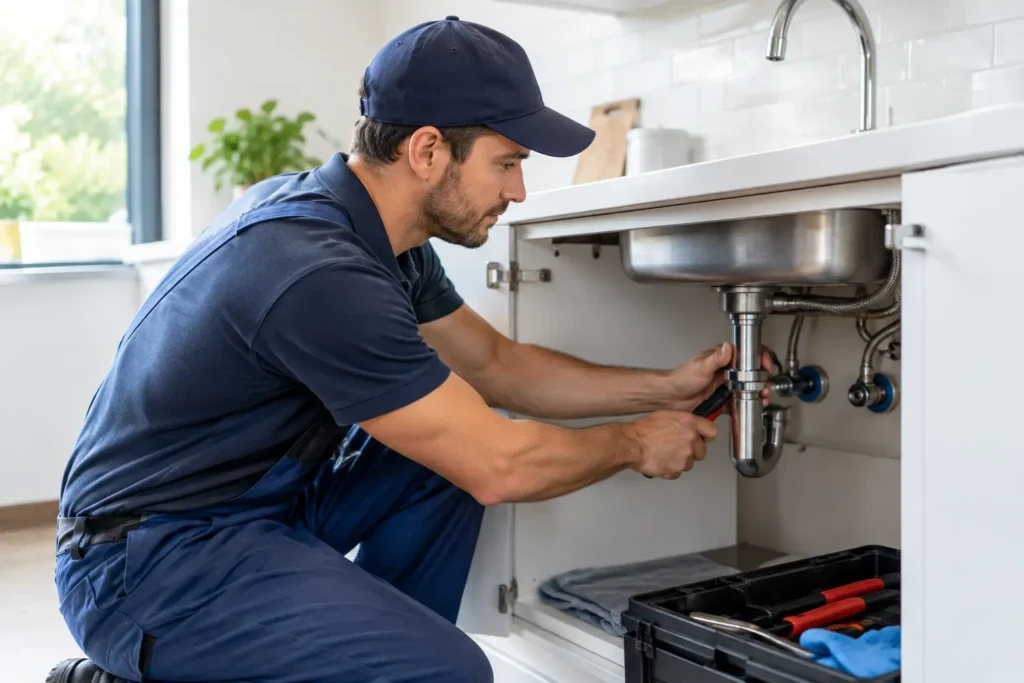
- Beneath sinks
- Behind shower walls
- In laundry rooms
- Inside walls and ceilings
- In crawl spaces
- Along underground water service routes
Some homes have a mixture of original polybutylene and newer replacement piping.
Why Is Polybutylene Plumbing a Concern?
Polybutylene has a history of deterioration and failures that may occur without obvious external warning.
A concealed water supply pipe can leak behind a wall, above a ceiling, or beneath flooring before the homeowner notices the damage.
1. Chemical Exposure and Material Deterioration
Exposure to certain water disinfectants and oxidizing conditions has been associated with deterioration of polybutylene piping.
The severity can vary depending on water chemistry, operating conditions, and the particular piping system.
2. Aging Plumbing Components
Piping, fittings, and connections experience wear over time.
Aging systems may become more vulnerable to leakage or failure.
3. Fitting and Connection Problems
Some historical polybutylene installations experienced problems involving fittings or connection components.
A leaking fitting may be repairable, but repairing one connection does not establish that the remaining PB system is reliable.
4. Concealed Pipe Failures
Polybutylene supply lines are frequently hidden behind finished surfaces.
A leak may develop before there is visible evidence inside the home.
5. Unpredictable Failure Patterns
Not every PB system fails at the same age or in the same manner.
Some homes experience multiple leaks, while others have no documented failures.
That uncertainty is one reason homeowners consider planned replacement.
7 Signs You May Need Polybutylene Pipe Replacement
1. Repeated Water Supply Leaks
Multiple leaks in different sections of the system can indicate a broader piping problem.
If the home has required several repairs, it may be time to evaluate the remaining polybutylene.
2. Unexplained Increases in Water Bills
A sudden increase in water consumption may indicate a concealed leak.
Other causes are possible, so the source should be investigated.
3. Water Stains on Ceilings or Walls
Discoloration, bubbling paint, or damp drywall can indicate moisture from a plumbing leak.
4. Warped Flooring or Damp Cabinets
Water escaping from concealed piping may affect flooring, cabinets, and nearby materials.
5. Musty Odors
Persistent moisture can contribute to musty odors.
The source should be identified rather than assuming every odor indicates a plumbing leak.
6. Previous Polybutylene Repairs
A history of PB pipe failures can influence the decision between additional repairs and repiping.
7. Polybutylene Discovered During Remodeling
A renovation or water heater replacement may expose original PB piping.
This can provide an opportunity to evaluate replacement while portions of the plumbing are accessible.
Polybutylene Pipe Repair vs. Replacement
One of the most common homeowner questions is whether polybutylene can simply be repaired.
The answer depends on the immediate problem and the condition of the remaining system.
When a Localized Repair May Be Appropriate
A targeted repair may be appropriate when:
- An active leak must be stopped.
- Water service needs to be restored.
- The failed section is accessible.
- A compatible, code-compliant transition can be made.
- A larger repiping project is being planned.
However, replacing one failed section does not eliminate the risk associated with the remaining original PB piping.
When Repiping Deserves Serious Consideration
Replacement becomes more compelling when:
- Multiple leaks have occurred.
- Original PB piping remains throughout the home.
- Concealed piping has failed.
- The system contains aging or deteriorated connections.
- Future access would be difficult.
- The homeowner wants to reduce dependence on repeated spot repairs.
Repair vs. Replacement Comparison
| Factor | Localized repair | Polybutylene repiping | |—|—|—| | Addresses current leak | Yes | Yes, within replaced scope | | Removes remaining PB piping | No | Yes, within replaced scope | | Initial work area | Usually smaller | More extensive | | Future PB failure exposure | Remains | Reduced in replaced areas | | Wall or ceiling access | Often limited | May require multiple openings | | Best suited for | Immediate or isolated repairs | Planned long-term replacement |
A repair can be reasonable as an immediate response.
However, repeated spot repairs should not be confused with correcting the underlying concern of an aging polybutylene system.
Should You Replace Polybutylene Pipes Even if They Are Not Leaking?
This is an important decision for homeowners with older plumbing.
A PB system may still be functioning without any visible leaks.
That does not establish that the piping is free from deterioration.
Factors to Consider
- How much original PB remains
- Previous leak history
- Age of the plumbing
- Pipe accessibility
- Existing fitting types
- Planned renovations
- Water damage concerns
- Homeownership plans
- Budget and replacement timing
A professional evaluation can help determine whether planned replacement is appropriate.
Is Polybutylene Replacement Always an Emergency?
No.
If there is no active leak or urgent symptom, homeowners may have time to plan a repiping project.
However, waiting until a major concealed leak occurs can result in additional property damage and disruption.
Partial Repiping vs. Whole-Home Polybutylene Replacement
Not every property requires the same scope.
Partial Polybutylene Replacement
A partial repipe replaces selected sections of the existing plumbing.
This may be appropriate when previous renovations have already replaced substantial portions of the system.
The remaining PB sections should be identified so the homeowner understands what will still be in service.
Whole-Home Polybutylene Repiping
A whole-home repipe generally replaces the original interior hot and cold water distribution piping included in the approved scope.
The work may involve:
- New hot-water distribution lines
- New cold-water distribution lines
- Fixture supply connections
- Appropriate shutoff valves
- Connections at the water heater
- Piping supports
- Testing of the completed plumbing
Does Whole-Home Repiping Include the Underground Water Service?
Not automatically.
The underground water service line may be separate from the interior distribution system.
If polybutylene is present underground, its condition and replacement requirements should be evaluated separately.
The estimate should clearly identify which piping is included and which existing sections will remain.
What Materials Replace Polybutylene Pipes?
Modern repiping commonly uses PEX or copper.
Both can provide dependable service when properly selected and installed.
PEX Repiping
PEX is a flexible plastic piping material used in modern water distribution systems.
Potential advantages include:
- Flexible routing
- Fewer fittings in some concealed areas
- Compatibility with many residential layouts
- Efficient installation in suitable conditions
PEX must be installed using approved materials, fittings, supports, and manufacturer instructions.
Copper Repiping
Copper is a long-established rigid piping material.
Potential advantages include:
- Proven use in residential plumbing
- Rigid piping construction
- Established installation methods
- Suitability for many applications
Copper installation may require different routing, fittings, and labor considerations.
PEX vs. Copper: Which Is Better?
Neither material is automatically best for every property.
The decision depends on:
- Plumbing layout
- Water conditions
- Accessibility
- Applicable codes
- Installation requirements
- Homeowner preferences
- Project budget
For more information, compare the advantages of copper versus PEX repiping.
What Happens During Polybutylene Pipe Replacement?
A professional repiping project should begin with a clear installation plan.
Step 1: Identify the Existing Plumbing
The plumber evaluates accessible piping, confirms the material, and identifies sections previously replaced.
Step 2: Plan the New Water Lines
The replacement layout is developed around fixture locations, access, proper sizing, and applicable installation requirements.
Step 3: Establish Access Points
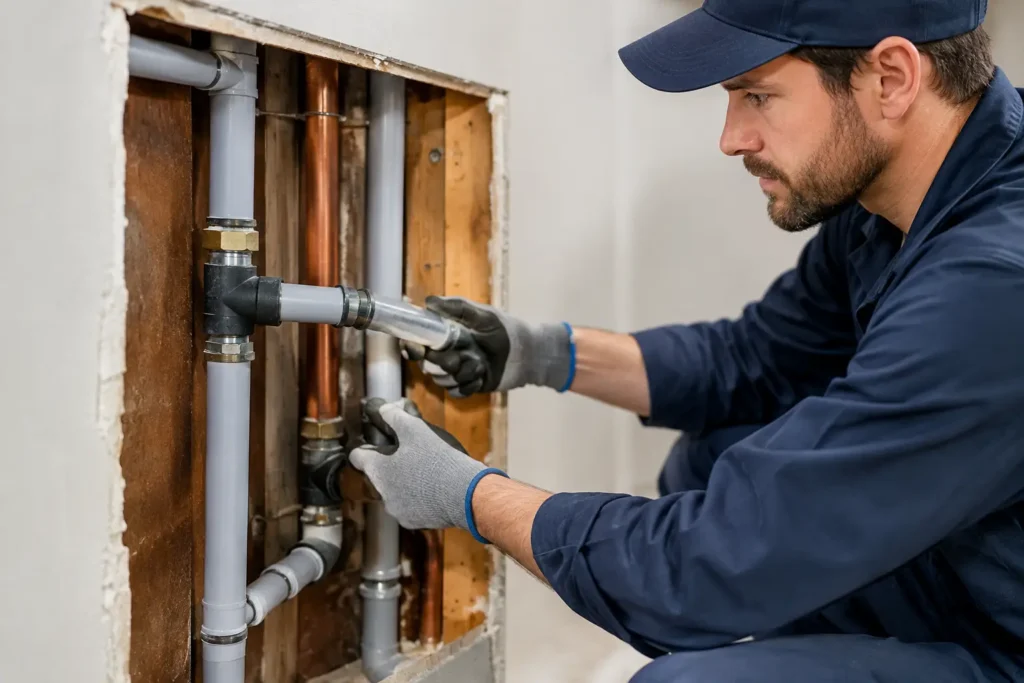
Wall or ceiling openings may be required to route replacement piping.
The goal is to provide necessary access while avoiding unnecessary demolition.
Step 4: Install New Supply Piping
Approved piping and fittings are installed according to the planned layout.
Step 5: Connect Fixtures and Equipment
New piping is connected to the applicable fixtures, valves, and water heater connections included in the scope.
Step 6: Test the Plumbing
The completed system is tested and inspected as required before the work is considered complete.
Step 7: Identify Remaining Restoration
Drywall, painting, flooring, cabinetry, tile, and other finish restoration are separate unless expressly included in the approved estimate.
How Much Does Polybutylene Pipe Replacement Cost?
The cost of replacing polybutylene piping depends on the property and the amount of work required.
Important factors include:
- Home size
- Number of bathrooms
- Number of plumbing fixtures
- Existing piping layout
- Accessibility
- Number of stories
- Replacement material
- Required wall or ceiling openings
- Existing shutoff valves
- Water heater connections
- Permit and inspection requirements
- Underground piping, if included
- Restoration responsibilities
Why Repiping Costs Vary
A single-story home with accessible attic routing may require a different installation approach from a two-story property with limited access.
Similarly, replacing only the remaining PB sections differs from replacing an entire original water distribution system.
Does the Lowest Estimate Offer the Best Value?
Not necessarily.
Homeowners should compare what each estimate includes.
Important details include pipe materials, fixture connections, shutoff valves, testing, permits, access openings, and excluded restoration work.
A clearly defined scope is more useful than comparing total prices without understanding the work.
Will Homeowners Insurance Cover Polybutylene Pipe Replacement?
Insurance coverage varies by insurer, policy, and circumstances.
The presence of polybutylene piping does not automatically mean an insurance policy will pay for repiping.
Existing Pipe Replacement vs. Sudden Water Damage
Some policies distinguish between damage caused by a covered sudden event and the cost of replacing deteriorated plumbing.
Coverage depends on the specific policy and claim facts.
What Should Homeowners Do?
- Review the current policy.
- Ask the insurance provider about applicable coverage.
- Document existing plumbing conditions.
- Keep records of previous leaks and repairs.
- Obtain a clear plumbing evaluation.
Kingdom Based Plumbing does not determine insurance coverage or guarantee claim approval.
Can Polybutylene Affect Home Insurance Eligibility?
Some insurers may consider plumbing material, age, condition, or replacement history during underwriting.
Requirements vary.
Homeowners should confirm current requirements directly with their insurance provider.
Can Polybutylene Plumbing Affect Selling a Home?
Polybutylene piping may become an issue during a real estate transaction.
A home inspection may identify PB supply lines and recommend further evaluation.
Potential buyers may ask about:
- Previous plumbing leaks
- Pipe replacement history
- Remaining original PB piping
- Insurance requirements
- Estimated repiping work
- Existing water damage
Should You Repipe Before Selling?
That depends on the property’s condition, market circumstances, and the owner’s goals.
A professional plumbing evaluation can help clarify the existing system and possible replacement scope.
For legal disclosure obligations, buyers and sellers should consult their real estate or legal professionals.
Polybutylene Pipe Replacement in Northeast Florida
Homes built during the years when polybutylene was commonly used may still contain original PB water supply piping.
Jacksonville
Some older residential properties may have PB piping or a mixture of original and replacement materials.
St. Johns County
Homes constructed during the relevant period may warrant a plumbing material evaluation, particularly when leak history is documented.
Ponte Vedra and Fruit Cove
Established residential properties may contain aging water distribution systems that have undergone partial repairs or renovations.
St. Augustine
Older plumbing configurations and concealed piping may influence access and repiping plans.
Nocatee
Most newer construction would not be expected to have original polybutylene piping, but the material should always be verified rather than assumed based on location.
The home’s construction history and actual plumbing materials are more important than its neighborhood.
How to Reduce Risk While Planning Polybutylene Replacement
If your home still has PB piping, a few practical steps may help reduce the consequences of an unexpected leak.
Know the Main Water Shutoff Location
Make sure responsible occupants know how to shut off the water supply.
Monitor Water Usage
An unexplained increase in water consumption may indicate a hidden leak.
Check Accessible Connections
Look periodically for moisture, staining, or other signs of leakage.
Consider Leak Detection Equipment
Water sensors and automatic shutoff systems may help limit damage from some leaks.
They do not repair deteriorated plumbing.
Plan Around Renovations
If walls or ceilings will already be opened, consider evaluating concealed piping before completing new finishes.
Document Previous Repairs
Keep records of plumbing failures and replacement work.
These details can help determine whether future repairs or broader repiping make sense.
When Is Polybutylene Pipe Failure an Emergency?
Call for prompt professional help if:
- A pipe bursts.
- Water cannot be controlled.
- A ceiling is bulging from moisture.
- Water is entering electrical areas.
- A concealed leak is actively damaging the home.
- Water service is lost because of a pipe failure.
If safe, shut off the main water supply.
Avoid opening pressurized piping or entering areas with electrical hazards.
For urgent plumbing concerns, visit our emergency plumbing services page.
If water damage has occurred, professional restoration services may also be appropriate.
Frequently Asked Questions About Polybutylene Pipe Replacement
What is polybutylene pipe?
Polybutylene is a plastic water supply piping material commonly installed in some American homes from the late 1970s through the mid-1990s.
How can I identify polybutylene pipes?
Look for accessible pipe markings such as PB2110. Gray piping is common, but color alone is not conclusive.
Does all polybutylene piping eventually fail?
Not every system fails on a predictable schedule. However, PB has a documented history of premature deterioration and leakage.
Should polybutylene pipes be replaced if they are not leaking?
Replacement deserves consideration based on the amount of PB present, leak history, condition, accessibility, and homeowner priorities.
Can polybutylene pipes be repaired?
Localized repairs may be possible, but they do not eliminate risks associated with the remaining original piping.
Is PEX a suitable replacement for polybutylene?
PEX is commonly used for residential repiping when properly selected and installed.
Is copper better than PEX for repiping?
Both materials have advantages. The appropriate choice depends on the property and installation requirements.
Does repiping require opening walls?
Some wall or ceiling access is often necessary. The amount depends on the home’s layout and the planned pipe routes.
How long does polybutylene repiping take?
The schedule depends on property size, accessibility, number of fixtures, and project scope. A site evaluation is needed for a reliable estimate.
Does homeowners insurance pay for polybutylene replacement?
Coverage varies by policy and circumstances. Homeowners should verify coverage directly with their insurer.
Can polybutylene affect a home sale?
It may be identified during inspection and can influence buyer questions or insurance considerations.
Does a whole-home repipe include the underground water service?
Not automatically. The approved estimate should specify whether the underground service line is included.
Can I replace only the leaking sections?
Sometimes, but remaining PB piping may still present future failure concerns.
Is polybutylene replacement required by law?
Requirements depend on the jurisdiction, project scope, and applicable codes. The presence of existing PB piping does not automatically establish a universal legal replacement requirement.
Polybutylene Pipe Replacement in Jacksonville and St. Johns County
If your home contains polybutylene piping, the first step is understanding how much remains and whether the system has developed leaks or other signs of deterioration.
Kingdom Based Plumbing Inc. helps homeowners and property managers throughout Jacksonville, St. Johns County, Ponte Vedra, Fruit Cove, St. Augustine, Nocatee, and surrounding Northeast Florida communities evaluate aging water supply piping and plan appropriate plumbing repairs or repiping.
Our goal is to identify the existing materials, explain the recommended work, and provide a clear scope before installation begins.
Whether your property needs an immediate leak repair, partial repiping, or a planned whole-home water line replacement, the decision should be based on the actual plumbing conditions.
Call Kingdom Based Plumbing at 904-814-8541 to discuss polybutylene piping concerns or schedule a plumbing evaluation.
24/7 emergency plumbing service available, subject to technician availability.
Clean work. Proper installation. No shortcuts.