

8 Best Plumbing Upgrades for Aging Homes: What to Fix First
The best plumbing upgrades for aging homes aren’t always the most visible improvements. Often, the most valuable work involves replacing deteriorated piping, improving water supply reliability, preventing hidden leaks, or correcting drainage problems before they cause property damage.
An older home may have beautiful new cabinets and fixtures while the plumbing behind the walls continues to age.
Rust-colored water, recurring leaks, slow drains, inconsistent hot water, and changes in water pressure can all indicate that part of the plumbing system needs attention.
For homeowners in Jacksonville, St. Johns County, Ponte Vedra, St. Augustine, Fruit Cove, and surrounding Northeast Florida communities, a plumbing evaluation can help identify which improvements deserve priority.
Not every older home needs a complete plumbing overhaul. The goal is to identify actual problems, understand the condition of the system, and make improvements that provide long-term value.
Why Plumbing Upgrades Matter in Older Homes
Plumbing materials, fixtures, and equipment experience wear over time.
Some older homes contain original water supply lines, drain piping, shutoff valves, or water heaters. Others have a mixture of older and newer components from previous repairs and renovations.
The age of the home alone does not determine whether plumbing needs replacement.
Common Plumbing Problems in Aging Homes
- Recurring water supply leaks
- Corroded or deteriorated piping
- Low water pressure
- Discolored water
- Slow or frequently clogged drains
- Sewer line problems
- Aging water heaters
- Leaking shutoff valves
- Worn fixture connections
- Unexplained increases in water consumption
These symptoms can have different causes.
For example, low water pressure may result from a clogged fixture, partially closed valve, pressure regulator issue, or deteriorated supply piping.
A professional evaluation helps distinguish isolated problems from broader system deterioration.
8 Best Plumbing Upgrades for Aging Homes
| Plumbing upgrade | Primary benefit | When to consider it | |—|—|—| | Whole-home repiping | Replaces deteriorated water lines | Repeated leaks or widespread pipe deterioration | | Main shutoff and leak protection | Helps control water during failures | Old shutoff valves or elevated leak risk | | Water heater replacement | Improves hot-water reliability | Aging, leaking, or inadequate equipment | | Sewer and drain improvements | Addresses recurring drainage problems | Repeated backups or confirmed pipe defects | | Water service line replacement | Restores reliable incoming water delivery | Confirmed service-line deterioration | | Water filtration or softening | Addresses specific water conditions | Testing identifies a treatment need | | Fixture valves and supply lines | Reduces risk from aging connections | Corroded valves or worn supply lines | | Remodeling-related plumbing | Corrects concealed issues during renovations | Walls or floors are already open |
The best starting point depends on the home’s actual condition and the severity of existing problems.
1. Whole-Home Repiping for Aging Water Supply Lines
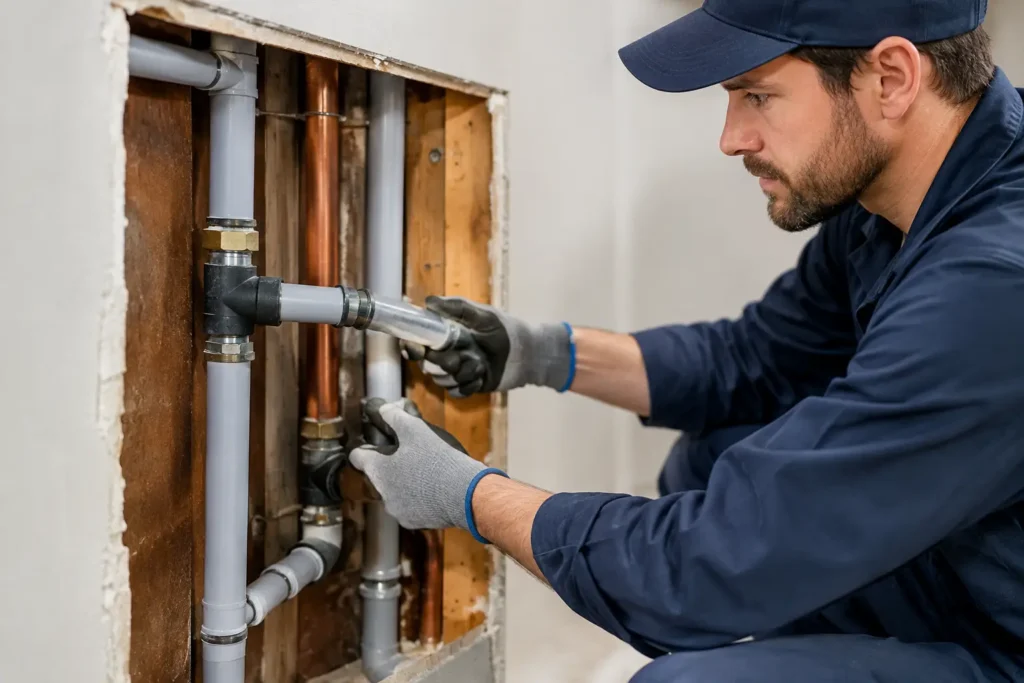
Whole-home repiping can be one of the most important plumbing upgrades when the existing water distribution system is deteriorating.
It involves replacing selected or extensive portions of the home’s hot and cold water supply piping.
When Should You Consider Repiping?
Warning signs include:
- Multiple leaks in different areas
- Repeated repairs to aging pipes
- Widespread corrosion
- Deteriorated supply materials
- Recurring concealed leaks
- Reduced flow associated with pipe restrictions
A single leak does not automatically mean the entire home needs repiping.
The condition of the remaining plumbing should be evaluated first.
Common Older Pipe Materials
Older homes may contain:
Galvanized steel: Can develop internal corrosion and flow restrictions.
Copper: May experience corrosion or pinhole leaks under certain conditions.
Polybutylene: Has a documented history of premature deterioration and leakage.
Older plastic piping: Performance depends on the material, installation, and operating conditions.
PEX vs. Copper Repiping
Modern residential repiping commonly uses PEX or copper.
PEX offers flexible routing and may reduce the number of concealed fittings in some layouts.
Copper is a long-established rigid piping material with different installation requirements.
Both can perform well when properly selected, sized, and installed.
What Does Whole-Home Repiping Include?
Depending on the approved scope, work may include:
- Hot-water distribution lines
- Cold-water distribution lines
- Fixture connections
- Shutoff valves
- Water heater piping connections
- Proper piping supports
- System testing
Underground water service piping is not automatically included.
Wall or ceiling access may be required, and drywall, paint, flooring, tile, and other finish restoration are separate unless specifically included.
2. Replace Aging Main Shutoff Valves and Consider Leak Protection
Every homeowner should know where the main water shutoff is located.
During an active leak, being able to stop the water quickly can help limit damage.
Why Replace an Old Main Shutoff?
An aging shutoff valve may become:
- Difficult to operate
- Corroded
- Leaky
- Seized
- Unreliable
Replacing a deteriorated valve with a suitable, accessible shutoff can make emergency water control easier.
What About Automatic Water Shutoff Systems?
Some homeowners choose smart water monitoring or automatic shutoff equipment.
Depending on the system, these products may:
- Monitor unusual water usage
- Alert homeowners to suspected leaks
- Shut off water automatically under certain conditions
- Provide remote monitoring features
These systems may be especially useful for vacation properties, rental homes, and homes left unoccupied for extended periods.
However, smart leak protection does not repair deteriorated piping.
Equipment compatibility, installation requirements, connectivity, and the home’s water-use patterns should be considered.
3. Upgrade an Aging Water Heater
Water heater replacement is another important improvement for older homes.
A failing water heater can interrupt daily activities and, in some cases, create a water-damage concern.
Signs Your Water Heater May Need Attention
- Inconsistent hot-water temperatures
- Reduced hot-water capacity
- Water around the base
- Visible corrosion
- Unusual heating noises
- Rust-colored hot water
- Repeated service problems
These symptoms do not all indicate the same failure.
A leak from a plumbing connection may be repairable, while a leaking storage tank often requires replacement.
Conventional Tank Water Heaters
A properly sized conventional tank remains a practical choice for many households.
It stores heated water and supplies it during periods of demand.
Tankless Water Heaters
Tankless equipment heats water as it flows through the system.
Proper sizing is essential because simultaneous hot-water demand and incoming water temperature affect performance.
Electric tankless models may require substantial electrical capacity.
Hybrid Heat-Pump Water Heaters
Hybrid water heaters primarily use heat from surrounding air to heat stored water.
They can provide significant energy savings under suitable conditions.
However, they require appropriate space, airflow, and condensate drainage.
Why Water Heater Sizing Matters
The best replacement should reflect:
- Household size
- Simultaneous fixture demand
- Existing installation conditions
- Equipment capacity
- Available space
- Electrical or fuel requirements
- Manufacturer specifications
Learn more about water heater replacement and installation.
4. Upgrade Aging Sewer and Drain Piping
Older drain and sewer systems can develop problems that routine cleaning alone cannot correct.
Common Warning Signs
- Repeated drain stoppages
- Multiple slow drains
- Toilets gurgling
- Wastewater backing into showers
- Recurring sewer odors
- Root intrusion
- Previous sewer repairs
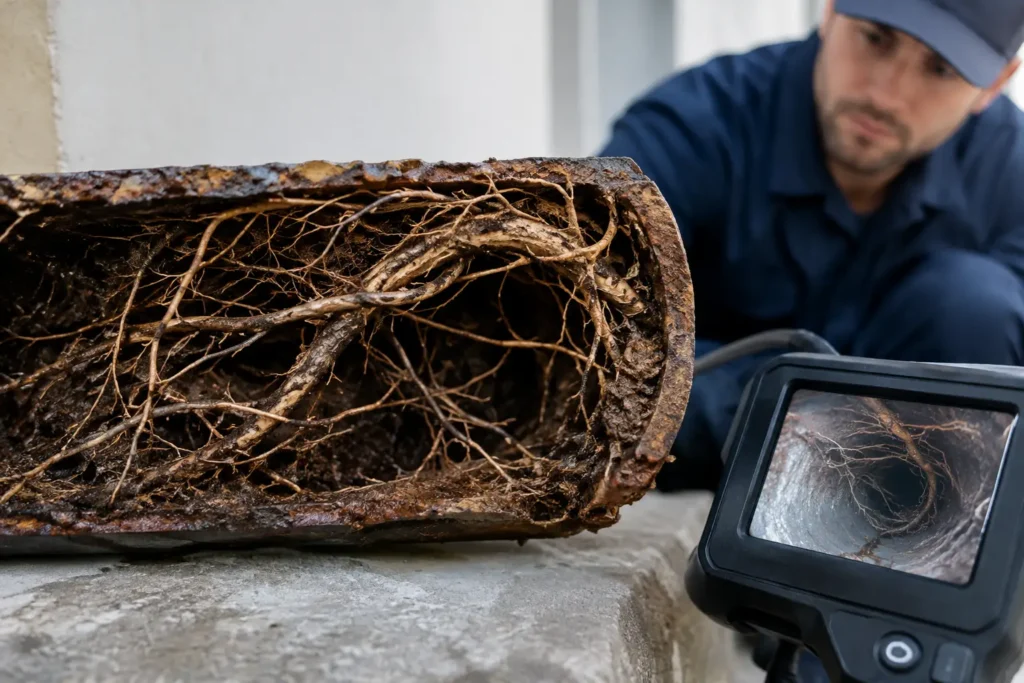
Why Sewer Camera Inspections Matter
A sewer camera inspection may reveal:
- Cracks
- Offset joints
- Root intrusion
- Pipe deterioration
- Standing water
- Suspected pipe bellies
- Collapsed sections
The line may need to be cleared before an effective inspection can be performed.
Drain Cleaning vs. Pipe Repair
Professional drain cleaning may remove an obstruction and restore drainage.
However, cleaning does not correct a collapsed pipe, damaged joint, or improper slope.
When Is Sewer Replacement Appropriate?
Replacement may be recommended when deterioration is widespread or multiple structural defects exist.
Localized repairs may be appropriate when the surrounding pipe remains sound.
The decision should follow the diagnosis rather than the age of the sewer line alone.
5. Evaluate the Underground Water Service Line
The water service line supplies water to the home from the incoming service connection.
Because much of the line is underground, problems may remain hidden.
Signs of a Water Service Problem
- Unexplained water usage
- Wet or unusually green areas in the yard
- Reduced water pressure
- Water surfacing near the service route
- Repeated underground leaks
These symptoms may also have other causes.
When Should the Water Service Be Replaced?
Replacement may make sense when the line has widespread deterioration, repeated failures, or confirmed capacity limitations.
Can a New Water Service Improve Pressure?
Sometimes.
If the existing service line is restricted or inadequately sized, replacement may improve water delivery.
However, low pressure can also result from:
- Fixture restrictions
- Partially closed valves
- Pressure regulator problems
- Interior piping deterioration
- Incoming utility conditions
A professional should identify the cause before recommending replacement.
6. Install Water Filtration or Softening When Needed
Water treatment can be useful when it addresses a confirmed water condition.
However, not every older home needs a whole-house filtration or softening system.
When a Water Softener May Help
A conventional water softener reduces calcium and magnesium hardness.
It may help reduce:
- Mineral scale
- Hard-water spotting
- Scale buildup in fixtures
- Certain hardness-related appliance concerns
When Water Filtration May Help
Depending on the system, filtration may address:
- Sediment
- Chlorine taste or odor
- Certain identified contaminants
- Specific water-quality concerns
Not every filter removes every substance.
Why Water Testing Matters
Water treatment should be selected based on the actual water supply and treatment objective.
Municipal water and private well water may have different concerns.
Installation Considerations
Whole-home systems may require:
- Appropriate plumbing connections
- Serviceable bypass valves
- Proper drain arrangements
- Suitable flow capacity
- Maintenance access
- Manufacturer-compliant installation
A water treatment system should not be installed simply because a home is older.
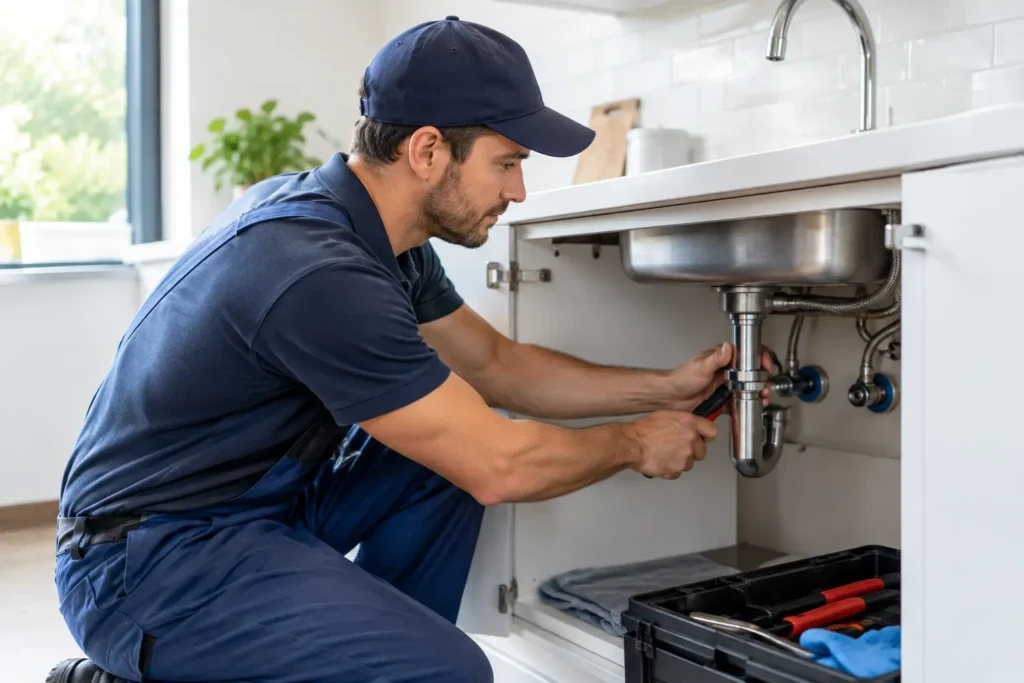
7. Replace Aging Fixture Shutoffs, Supply Lines, and Toilets
Small plumbing components can create significant problems when they fail.
Older shutoff valves and flexible supply connections may develop leaks beneath sinks or behind toilets.
Fixture Components Worth Evaluating
- Toilet shutoff valves
- Faucet angle stops
- Flexible supply lines
- Washing machine valves
- Refrigerator supply connections
- Toilet fill valves
- Toilet seals
- Faucet connections
Why Replace Aging Shutoffs?
A dependable fixture shutoff allows water to be isolated without turning off the entire home.
Replacing deteriorated valves during other plumbing work may help reduce future service interruptions.
Should You Upgrade an Older Toilet?
A toilet replacement may be worthwhile when:
- The porcelain is damaged.
- Flushing performance is poor.
- Repairs are recurring.
- The homeowner wants a more efficient fixture.
However, a new toilet does not correct a damaged sewer line or downstream drain obstruction.
What Should Be Checked During Toilet Installation?
- Flange condition
- Floor stability
- Shutoff valve
- Supply connection
- Proper mounting
- Drain performance
Installation quality matters as much as fixture selection.
8. Improve Plumbing During Kitchen and Bathroom Remodeling
A renovation provides an opportunity to inspect and improve plumbing that may otherwise remain concealed.
When walls or floors are already open, it may be practical to address aging components before installing new finishes.
Plumbing Improvements to Consider During Remodeling
- Replacing deteriorated water lines
- Updating old shutoff valves
- Correcting drain connections
- Relocating plumbing for new fixtures
- Installing accessible cleanouts where appropriate
- Replacing damaged fittings
- Improving piping support
- Evaluating concealed leaks
Why Inspection Before Closing Walls Matters
New tile, cabinets, and drywall can make future plumbing access more disruptive.
Correcting known piping problems before completing the renovation may help avoid reopening finished areas later.
Learn more about bathroom and kitchen remodeling plumbing.
How to Prioritize Plumbing Upgrades in an Older Home
When several plumbing improvements are needed, it helps to prioritize them by risk.
| Priority | Plumbing condition | Recommended approach | |—|—|—| | Immediate | Active uncontrolled leak | Shut off water safely and arrange emergency service | | Immediate | Sewage entering the home | Stop using water and arrange professional service | | High | Repeated concealed leaks | Evaluate pipe condition and repair or repiping options | | High | Leaking water heater tank | Prompt replacement evaluation | | High | Recurring sewer backups | Drain and sewer diagnostics | | Medium | Deteriorated shutoff valves | Planned replacement | | Medium | Aging supply lines | Inspect and replace as appropriate | | Planned | Water treatment improvements | Test water and select appropriate equipment | | Planned | Cosmetic fixture upgrades | Coordinate with other plumbing work |
Actual urgency depends on the severity and circumstances.
Fixing the plumbing problems most likely to cause damage should generally come before cosmetic improvements.
How Much Do Plumbing Upgrades for Aging Homes Cost?
Costs vary significantly depending on the property and scope.
Important factors include:
- Home size
- Number of fixtures
- Existing pipe materials
- Plumbing accessibility
- Number of stories
- Extent of deterioration
- Equipment selection
- Required permits
- Underground work
- Wall or ceiling openings
- Restoration responsibilities
A localized valve replacement is a different project from whole-home repiping or sewer replacement.
Should You Upgrade Everything at Once?
Not necessarily.
Some homeowners benefit from a phased improvement plan.
For example, active leaks and failing piping may need immediate attention, while fixture upgrades can be coordinated with a future renovation.
A clear assessment helps prioritize work without replacing components unnecessarily.
Plumbing Upgrades for Older Homes in Northeast Florida
Homes throughout Jacksonville, St. Johns County, Ponte Vedra, St. Augustine, and surrounding communities vary in age, construction, and plumbing materials.
Jacksonville
Older neighborhoods may have aging water supply or drainage materials that warrant evaluation.
St. Augustine
Some properties have older plumbing layouts, limited access, or previous renovations that affect upgrade planning.
Ponte Vedra and Fruit Cove
Established residential properties may contain a combination of original piping and newer plumbing improvements.
St. Johns County
Newer homes may not require extensive repiping but can still benefit from leak protection, fixture maintenance, and appropriate water heater planning.
The home’s actual plumbing condition is more important than its neighborhood.
What Should a Plumbing Inspection Include?
Before planning major improvements, a plumbing evaluation may include:
- Reviewing previous leak history
- Identifying accessible pipe materials
- Inspecting visible supply connections
- Evaluating water pressure concerns
- Checking shutoff valve condition
- Reviewing water heater condition
- Investigating recurring drainage symptoms
- Considering sewer camera inspection when warranted
- Identifying potential access requirements
- Discussing repair and replacement options
Not every inspection includes every diagnostic test.
Additional testing or specialized services may be recommended depending on the symptoms.
For concealed water concerns, learn more about professional leak detection.
Frequently Asked Questions About Plumbing Upgrades for Aging Homes
What are the most important plumbing upgrades for an old house?
The most important upgrades are those addressing active leaks, deteriorated water lines, sewer problems, failing water heaters, and unreliable shutoff valves.
Should I repipe an older home?
Repiping may be appropriate when supply piping has widespread deterioration or repeated leaks. Age alone does not automatically require replacement.
What plumbing pipes are commonly found in older homes?
Depending on the property, older homes may contain galvanized steel, copper, polybutylene, cast iron, clay, or other historical plumbing materials.
Can plumbing upgrades improve water pressure?
Yes, when low pressure is caused by restricted or inadequately sized piping. The underlying cause should be confirmed first.
Is it worth replacing an old water heater before it fails?
Planned replacement may make sense when equipment is deteriorating, unreliable, or approaching the end of its practical service life.
Does a sewer camera inspection show pipe damage?
A camera may reveal cracks, offsets, root intrusion, corrosion, and other visible conditions inside accessible piping.
Should I replace old toilet supply lines?
Aging, damaged, corroded, or leaking supply connections should be evaluated and replaced as appropriate.
Do I need water filtration in an older home?
Not necessarily. Water treatment should be selected based on actual water conditions and testing.
Can smart leak detectors prevent water damage?
They may help identify leaks or shut off water under certain conditions, but they cannot prevent every failure or replace deteriorated piping.
Is remodeling a good time to replace old plumbing?
Yes. When walls or floors are already open, addressing known plumbing problems may reduce future disruption.
Does repiping include drywall repair?
Not automatically. Drywall, paint, tile, flooring, and other finish restoration are separate unless specifically included in the approved estimate.
Can plumbing upgrades be completed in phases?
Yes. A phased plan can prioritize urgent problems and coordinate other improvements with future renovations.
Plan Plumbing Upgrades With Kingdom Based Plumbing
The best plumbing upgrades for aging homes begin with understanding the existing system.
Kingdom Based Plumbing Inc. helps homeowners and property managers throughout Jacksonville, St. Johns County, Ponte Vedra, Fruit Cove, St. Augustine, Nocatee, and surrounding Northeast Florida communities evaluate plumbing problems and plan practical improvements.
Whether your home needs leak detection, repiping, water heater replacement, drain cleaning, water service repairs, or updated fixture connections, KBP focuses on identifying the problem and explaining the appropriate scope of work.
If hidden conditions or additional plumbing problems are discovered, the recommended additional work and pricing are discussed before proceeding.
Call Kingdom Based Plumbing at 904-814-8541 to schedule a plumbing evaluation or discuss improvements for your home.
24/7 emergency plumbing service available, subject to technician availability.
Clean work. Proper installation. No shortcuts.