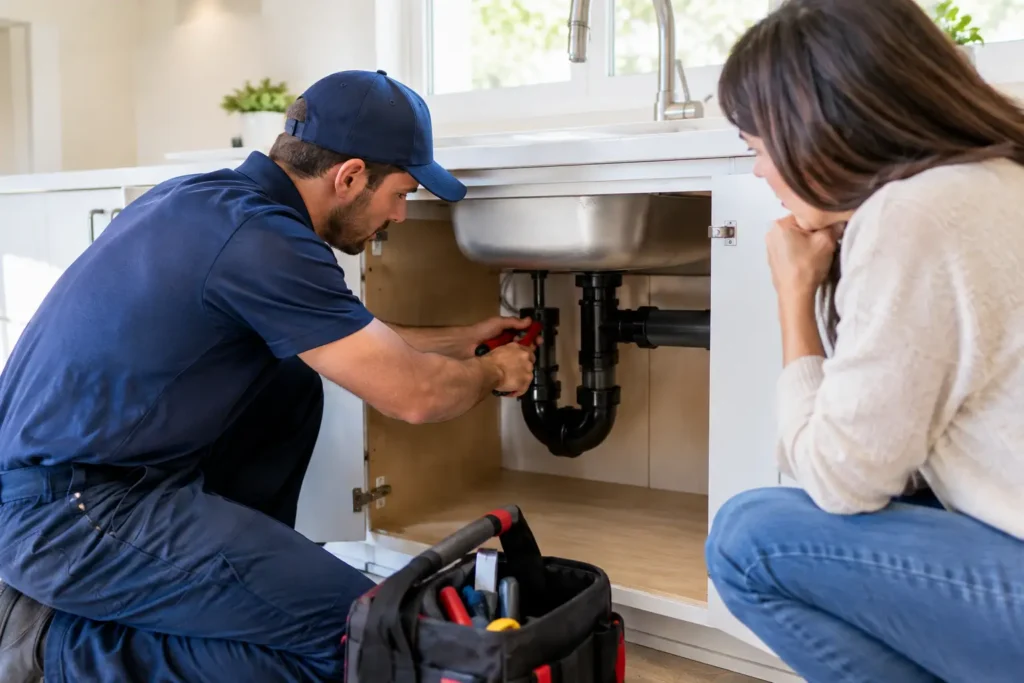


A washing machine hose lets go, a supply line splits under a sink, or a pipe fails behind a wall. In those first minutes, the best emergency shutoff valve types can limit water damage dramatically – but only if the valve is properly selected, accessible, and working when you need it.
For most homes, the best solution is not one valve. It is a practical combination: a dependable manual main shutoff, working fixture-level stops, and, for some properties, an automatic leak-detection shutoff system. The right setup depends on your plumbing layout, pipe material, water-heater configuration, occupancy, and the risks you want to manage.
Start With the Main Water Shutoff Valve
The main water shutoff controls the water entering the house from the municipal supply or private well. It is the valve to use when a leak is active and you cannot isolate it at a toilet, sink, appliance, or water heater.
A main shutoff is commonly located where the water service enters the home, near a water meter, in a utility area, garage, exterior wall, or mechanical closet. Its exact location varies, particularly in older homes and homes that have been renovated. Every homeowner, tenant, and property manager should know where it is before an emergency occurs.
Full-port ball valves are usually the best manual choice
A full-port ball valve is often the preferred manual main shutoff for residential water lines. Inside the valve is a drilled ball that turns a quarter turn. When the opening aligns with the pipe, water flows. When it turns perpendicular to the pipe, water stops.
This design has several advantages. It provides a clear open-or-closed position, works quickly, and offers minimal flow restriction when open. A full-port model has an opening close to the pipe’s inside diameter, which helps preserve water flow to the home.
For a main water valve replacement, a plumber will consider pipe size, pipe material, valve quality, access, local code requirements, and whether the service line or existing fittings need attention. A valve installed in a hard-to-reach location is less useful in an actual emergency.
Gate valves are common, but often a replacement candidate
Many older homes have gate valves on the main water line. They use a wheel-style handle that raises or lowers an internal gate. These valves can operate for years, but they are more likely to become difficult to turn, leak around the stem, or fail to close fully after sitting unused.
A gate valve that will not reliably stop the water is a concern, even if it appears fine during normal use. If you have to force the handle, see corrosion or mineral buildup, or discover that water continues flowing after closure, have it evaluated. Replacing a questionable main valve before a burst pipe is far easier than dealing with it during one.
The Best Emergency Shutoff Valve Types at Fixtures
Fixture shutoffs, often called stop valves, isolate a single toilet, faucet, ice maker, dishwasher, or washing machine connection. They do not replace the main shutoff, but they can prevent a small leak from becoming a whole-house water outage.
A toilet supply line leaking at 10 p.m. does not always require shutting down water to every bathroom and appliance. If the toilet stop valve closes properly, water can remain on throughout the rest of the home while the repair is arranged.
Quarter-turn angle stops offer dependable everyday control
Quarter-turn angle stops are a strong option beneath sinks and toilets. Like a ball valve, they close with a short turn rather than repeated handle rotations. Their simple operation makes them easier to use quickly, especially for an older homeowner, a tenant, or someone who has never had to shut off water before.
Older multi-turn stops can still be found throughout Northeast Florida homes. Some work well, but many eventually seize, drip at the stem, or fail internally. A stop valve that has not been operated in years may reveal its condition only when a leak forces you to use it.
During a plumbing repair, fixture replacement, repiping project, or supply line service, it is often worthwhile to inspect the nearby shutoff valves. Replacing worn stops at that time can avoid another service call later.
Appliance-specific shutoffs deserve extra attention
Washing machines, refrigerators with water dispensers, dishwashers, and water heaters all have water connections that can fail. Their shutoffs should be visible and usable without moving heavy equipment or emptying a packed cabinet.
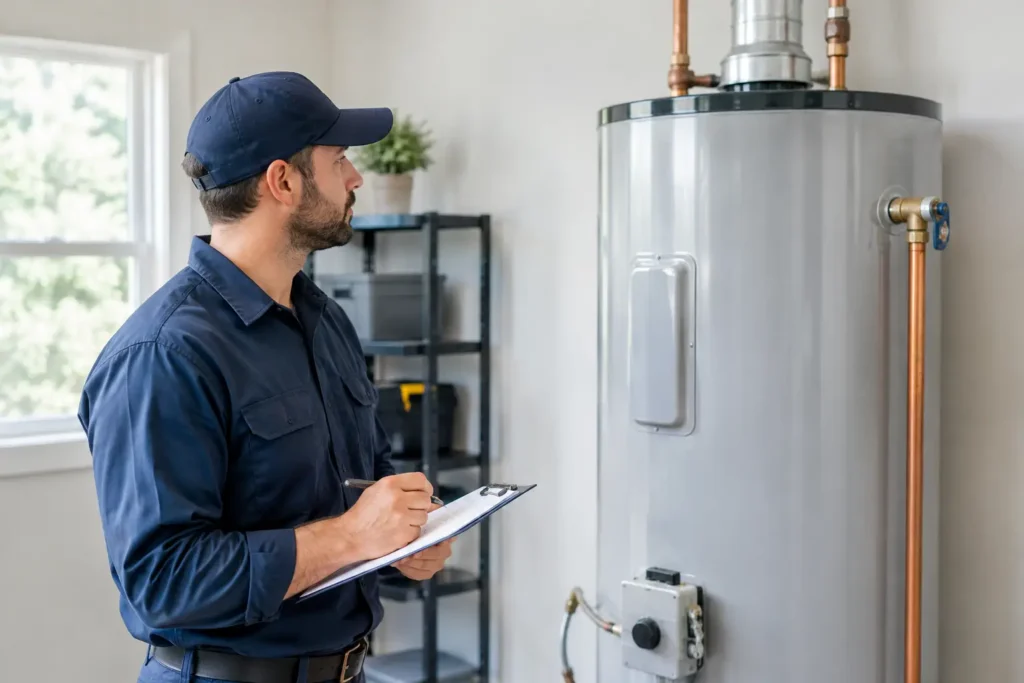
For washing machines, a dedicated valve box or accessible paired hot-and-cold shutoff allows the appliance supplies to be isolated. Water heater connections should also have appropriate shutoff and service valves based on the unit type and installation requirements. A water heater leak, failed connection, or aging supply line should be diagnosed promptly because water can travel well beyond the mechanical area.
Do not confuse a water shutoff with a gas shutoff. Gas piping, gas water heaters, and gas appliances have different safety requirements. If you smell gas or suspect a gas-related issue, leave the area and contact the appropriate emergency resource and qualified professional.
Automatic Shutoff Valves Add Protection When Nobody Is Home
Automatic systems are increasingly useful for homeowners who travel, own second homes, manage rentals, or simply want earlier leak response. These systems use a motorized valve installed on the main water line. Depending on the design, they may respond to unusual water flow, pressure changes, floor sensors, or a combination of those inputs.
Flow-monitoring automatic shutoff valves
A flow-monitoring system tracks how water is being used. If it detects an unusual pattern – such as continuous flow that suggests a broken pipe or major leak – it can alert the owner and may close the main valve automatically.
This approach can provide broad whole-home coverage, but it needs proper setup. A home with irrigation, a pool fill line, a water softener regeneration cycle, or variable occupancy may need settings adjusted to reduce nuisance alerts. The system should complement sound plumbing maintenance, not replace it.
Point-sensor shutoff systems
Point-sensor systems place moisture sensors in high-risk locations, such as beneath a water heater, washing machine, refrigerator, sink cabinet, or near a toilet. When a sensor detects water, it communicates with the automatic main valve to close the supply.
These systems are especially useful for slow leaks that may not create a large enough flow change to trigger a flow-monitoring device. Their limitation is coverage: a sensor cannot detect a leak in a location where no sensor has been installed. Battery status, sensor placement, and communication reliability all matter.
Some homes benefit from both flow monitoring and point sensors. The best fit depends on the home’s plumbing, the owner’s travel habits, and the areas most likely to cause costly hidden damage.
What Makes a Shutoff Valve Reliable?
The valve type matters, but installation details matter just as much. A good emergency shutoff should be correctly sized, compatible with the piping, protected from damage, and easy to reach. It should also be installed where it can be serviced later without opening walls or cutting through finished cabinetry.
Material selection deserves attention in coastal and humid Florida conditions. Corrosion, mineral deposits, and moisture around valves can shorten service life. A plumber can evaluate the existing piping and connections rather than assuming one valve material or connection method is right for every house.
Accessibility is often the overlooked issue. A valve hidden behind stored boxes, a washer, or a finished wall is not an emergency valve in practical terms. Clearly identify the main shutoff, keep the area open, and make sure responsible adults in the property know how to use it.
When a Valve Needs Professional Evaluation
Call for plumbing service if a shutoff valve is leaking, hard to turn, corroded, partially closing, or located in a place that makes emergency access unrealistic. The same applies if a valve produces a change in water pressure, makes noise when operated, or has been untouched for years in an older home.
Valve replacement involves pressurized water piping and may reveal additional issues with old fittings, deteriorated supply lines, or pipe corrosion. A diagnostic-first inspection identifies the condition of the valve and the surrounding plumbing, then provides appropriate repair or replacement options. Clean work, proper installation, and no shortcuts matter most when the part is supposed to protect the home during a failure.
Kingdom Based Plumbing helps homeowners and property owners in St. Johns County and surrounding Northeast Florida communities evaluate main shutoffs, fixture valves, leak risks, and water-heater connections before a small problem becomes a damaging one.
The most useful next step is simple: find your main shutoff today, make sure you can reach it, and have a professional inspect it if there is any doubt that it will close when you need it.