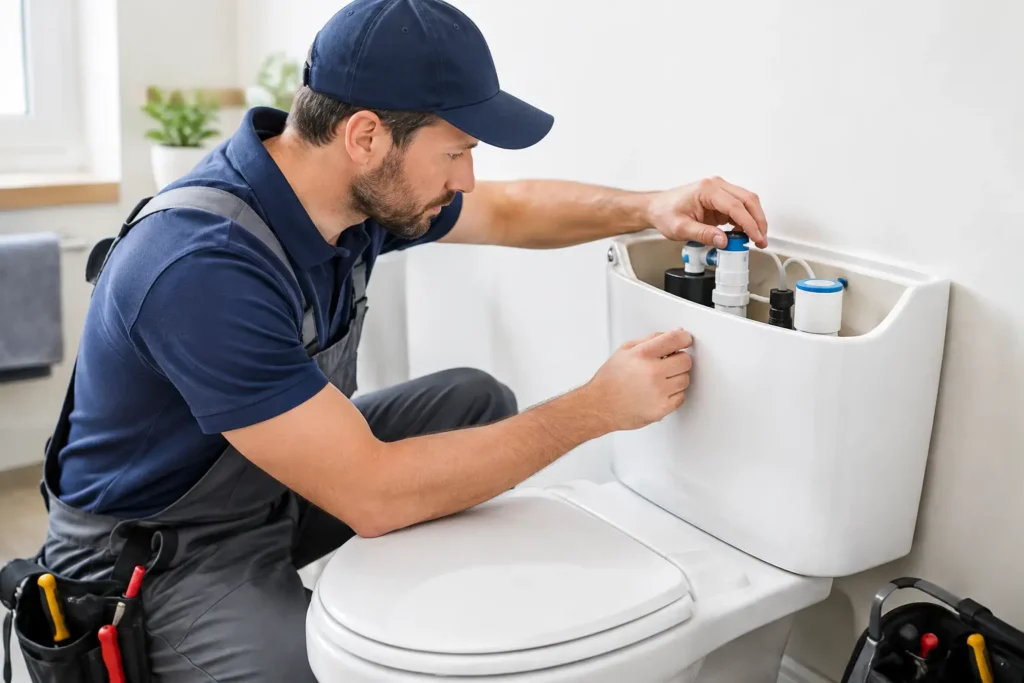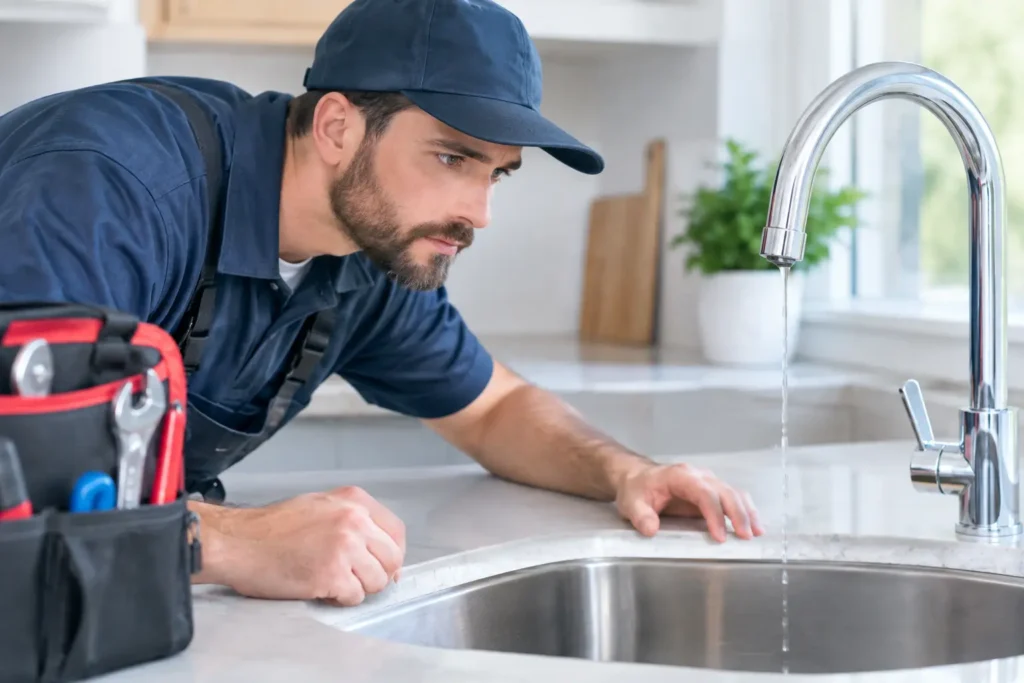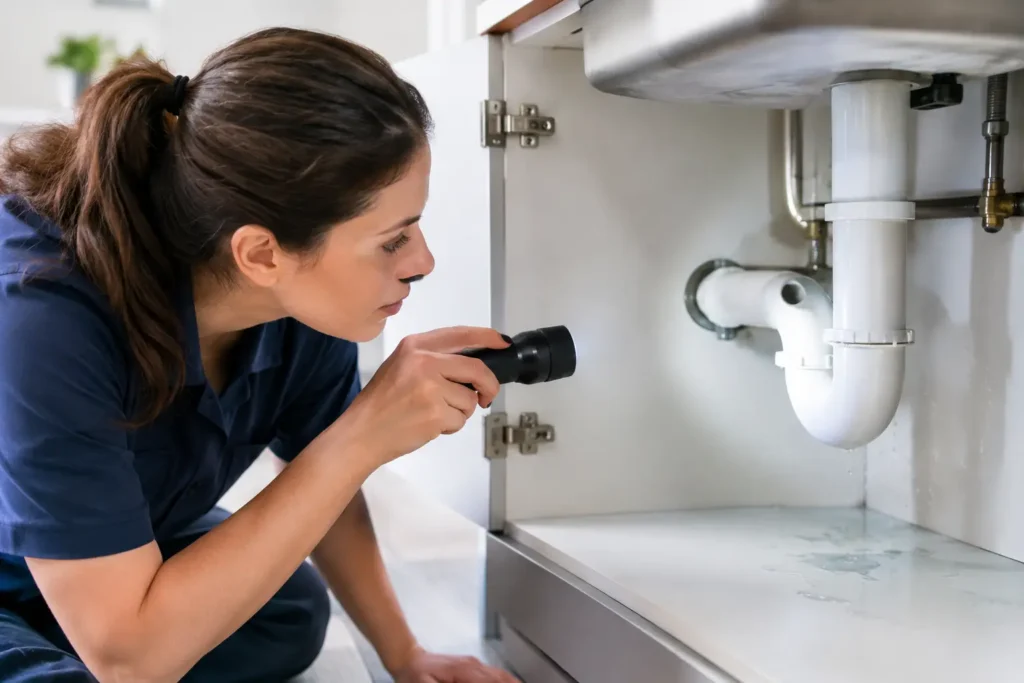


A pipe failure rarely waits for a convenient time. Water can move from a utility room or bathroom into flooring, drywall, cabinets, and adjacent rooms in minutes. When you need burst pipe emergency repair, the first priority is not guessing where the pipe failed. It is stopping the water safely, protecting the property, and getting a qualified plumber involved before a small break becomes a larger restoration project.
What to Do in the First Minutes After a Pipe Bursts
If water is actively flowing, shut off the main water supply to the building if you can reach it safely. In many homes, the main shutoff is near the water meter, where the water line enters the home, or in a utility area. Property owners should know this location before an emergency occurs, especially in homes with multiple occupants or rental properties.
Once the water is off, open a faucet at a lower level of the home to relieve remaining pressure and help drain water from the lines. Then move valuables, rugs, and furniture away from the affected area if it is safe to do so. Use towels, buckets, or a wet vacuum to collect standing water, but do not take risks around electrical outlets, appliances, or a ceiling that appears swollen or unstable.
If water is near electrical equipment or outlets, avoid the area and contact the appropriate emergency professional. Do not attempt to patch, clamp, or reconnect a pressurized plumbing line yourself. A temporary-looking repair can fail without warning, particularly when pipe material is cracked, corroded, or under strain elsewhere in the system.
A few practical actions can make a meaningful difference while help is on the way:
- Take photos of the affected area and visible damage for your records.
- Note when you first noticed the leak and whether water was hot, cold, or discolored.
- Keep children and pets away from wet floors and the work area.
- If possible, locate any prior plumbing repair records for the home.
Burst Pipe Emergency Repair Starts With Finding the Actual Failure
The visible water is not always the source of the problem. Water can travel along framing, behind cabinets, through wall cavities, or across a ceiling before it becomes noticeable. A wet spot in one room may be caused by a failed supply line several feet away.
That is why a professional emergency visit should begin with diagnosis, not a quick repair based only on what is visible. A plumber will assess the affected line, identify the pipe material, determine whether the failure is isolated or part of a larger issue, and look for contributing conditions. Those conditions may include corrosion, a failed fitting, excessive water pressure, movement around a connection, an aging flexible supply line, or freeze-related damage.
In Northeast Florida, freezing temperatures may be less frequent than in colder climates, but they can still cause trouble when exposed outdoor piping, garage plumbing, or unprotected lines are caught in a hard cold snap. More commonly, homeowners may face failures caused by aging materials, corrosion, worn connections, or water pressure problems. The correct repair depends on the cause, not simply on the location of the drip.
A Small Split and a Larger System Problem Are Different Repairs
An accessible pipe section with a single damaged fitting may be repaired or replaced with the appropriate materials and connections. If the pipe is brittle, heavily corroded, repeatedly leaking, or part of an aging section of plumbing, a spot repair may only postpone the next failure.
This does not mean every burst pipe requires repiping. It means the plumber should explain what was found and present repair options that match the condition of the system. An informed property owner can then weigh the immediate need to restore water against the value of a more durable correction.
For example, a failed supply line at one fixture may call for a focused replacement. Multiple pinhole leaks in older piping may justify a discussion about replacing a longer section or planning a larger repiping project. Clear findings and transparent pricing before authorized work begins help prevent surprises during an already stressful situation.
What a Proper Emergency Pipe Repair Should Address
Restoring water service matters, but the work should also protect the plumbing system going forward. A proper repair involves more than covering a damaged area. The replacement material needs to be compatible with the existing plumbing, connections must be installed correctly, and the repair should be tested before the system is returned to service.
The plumber may also check nearby fittings and valves, inspect for signs of pressure-related stress, and confirm that the repaired line is properly supported where applicable. If the failure occurred inside a wall, ceiling, cabinet, or slab-adjacent area, careful access matters. Opening the smallest practical area can help limit unnecessary damage while still allowing the repair to be completed correctly.
There is also a property-protection side to emergency plumbing. Water trapped behind walls or beneath flooring can continue causing damage after the pipe itself is repaired. Depending on how much water escaped and how long it was present, drying, restoration, or further assessment may be appropriate. A plumber can address the plumbing failure, while water-damage and restoration professionals may be needed for affected building materials.
When to Call for Emergency Plumbing Help
A pipe issue needs prompt professional attention when water cannot be fully shut off, the leak is actively damaging the home or business, a ceiling is wet or sagging, or the source is hidden behind a wall or under a floor. The same is true if a hot-water line has failed, if water is entering an electrical area, or if a previous repair has begun leaking again.
Do not wait for normal business hours simply because the flow seems manageable. A slow but steady leak can release a surprising amount of water over several hours. It can also create conditions for damaged drywall, flooring problems, and moisture where it does not belong.
For property managers and business owners, a clear emergency plan is especially useful. Staff or tenants should know who to contact, where the main shutoff is located, and what information to provide when reporting a leak. Knowing the suite, room, fixture, visible symptoms, and whether water has been shut off helps the response begin with better information.
Preventing the Next Pipe Failure
After an emergency repair, it is worth asking what could reduce the chance of another failure. This may be as simple as replacing aging fixture supply lines, correcting a pressure concern, insulating vulnerable exposed piping, or addressing a section of deteriorating pipe before it fails at the worst possible moment.
Pay attention to warning signs such as unexplained increases in water use, recurring damp spots, a musty odor near cabinets or walls, staining on ceilings, or repeated leaks at different fixtures. None of these automatically means a major plumbing replacement is needed. They do mean the plumbing deserves a professional evaluation before the next issue becomes urgent.
Kingdom Based Plumbing Inc. approaches emergency calls with that diagnostic-first mindset: find the source, explain the condition clearly, and provide appropriate options for clean, code-compliant repair. For homeowners and property owners in St. Johns County and surrounding communities, that means an emergency repair can be handled as the start of a sound long-term decision, not just a rushed patch.
When the water is stopped and the immediate danger has passed, take a moment to understand why the pipe failed. That conversation can be the difference between getting through one emergency and preventing the next one.