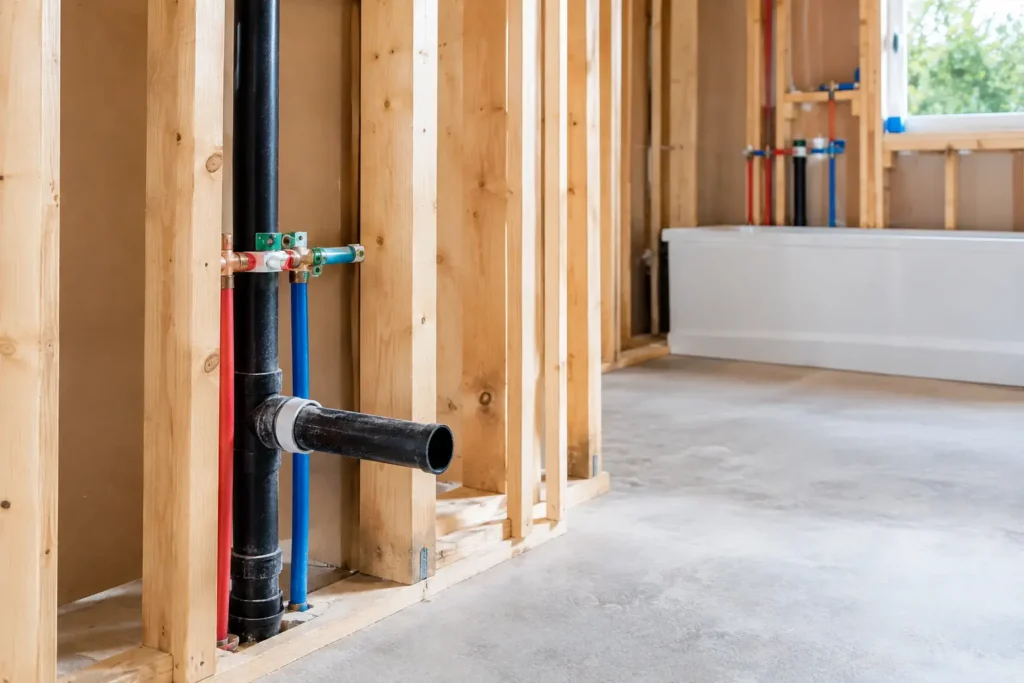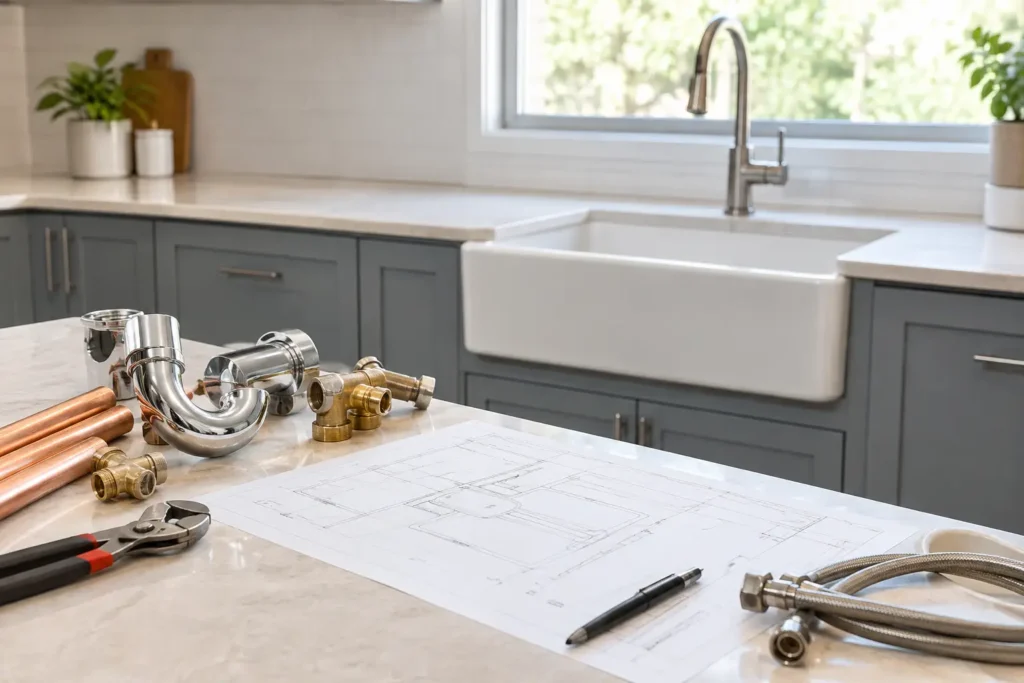


A beautiful kitchen remodel should do more than improve the appearance of your home. Behind the cabinets, countertops, and new appliances is a plumbing system that must deliver dependable water, drain properly, and remain accessible for future maintenance.
A kitchen plumbing remodel is an opportunity to correct aging pipes, relocate fixtures, improve water connections, and prevent plumbing problems before expensive finishes are installed.
For homeowners in Jacksonville, St. Johns County, Nocatee, Ponte Vedra, St. Augustine, and surrounding Northeast Florida communities, planning the plumbing early can help prevent unexpected construction delays and unnecessary repairs.
At Kingdom Based Plumbing Inc., we believe the best kitchen renovations begin with a clear plumbing plan, proper installation, and no shortcuts.
Why Kitchen Plumbing Planning Should Come First
Kitchen renovations involve several trades working together. Cabinet installers, countertop fabricators, electricians, and plumbers all depend on the layout being properly coordinated.
Unfortunately, plumbing is sometimes considered only after cabinets have been ordered or the demolition has already begun.
That can create problems when a homeowner discovers that the new sink location requires additional drain piping, a refrigerator needs a new water line, or a larger sink conflicts with the existing drain connection.
Before construction begins, a professional plumber should evaluate the existing plumbing and proposed kitchen layout.
Important considerations include:
- Location of the kitchen sink and faucet
- Existing hot and cold water supply lines
- Drain and vent piping
- Garbage disposal connections
- Dishwasher water and drain connections
- Refrigerator and ice maker water lines
- Water filtration equipment
- Shutoff valve locations
- Plumbing access for future repairs
Addressing these details before cabinets and countertops are installed helps reduce the risk of reopening finished areas later.
Moving a Kitchen Sink During a Remodel
One of the most common questions during a kitchen renovation is whether the sink can be moved.
The answer depends on the existing plumbing layout, the new sink location, and the home’s construction.
Moving a kitchen sink may require relocating the hot and cold water lines, modifying drain piping, and providing a properly designed venting arrangement.
Relocating a Sink to Another Wall
Moving a sink to another wall may require opening drywall, accessing existing drain lines, and rerouting supply piping.
The drain must maintain an appropriate slope, and the new connections must comply with applicable plumbing requirements.
A sink relocation should be evaluated before cabinets are installed because the available wall space and pipe routing can affect the final design.
Installing a Kitchen Island Sink
Kitchen island sinks are popular in modern home renovations, particularly in open-concept kitchens.
However, an island sink can require more involved plumbing planning than a sink located against a wall.
Drainage, venting, access, and the route of water supply lines must all be considered.
Depending on the home, relocating a sink to an island may require access beneath the floor or modifications to existing piping.
Not every layout can be completed using the same installation method.
A professional evaluation helps determine what is practical before the homeowner commits to the final kitchen design.
Inspect Existing Plumbing Before Installing New Cabinets
A kitchen remodel is one of the best opportunities to evaluate plumbing that is normally hidden behind cabinets and walls.
Older shutoff valves, deteriorated supply lines, questionable drain connections, and previous repairs can remain unnoticed until the kitchen is opened for renovation.
Installing new cabinets over aging plumbing does not eliminate the underlying problems.
Warning Signs of Existing Plumbing Problems
Before completing a kitchen plumbing remodel, pay attention to:
- Corrosion around water supply connections
- Leaking or difficult-to-operate shutoff valves
- Repeated kitchen drain clogs
- Water stains inside sink cabinets
- Low water pressure at the kitchen faucet
- Deteriorated or improperly supported piping
- Unusual odors from the kitchen drain
- Evidence of previous water damage
These symptoms do not automatically mean the entire plumbing system needs replacement.
A targeted repair may be appropriate when the surrounding piping remains in good condition.
However, repeated failures or widespread deterioration may justify additional plumbing work while the area is already accessible.
Learn more about professional leak detection if you suspect concealed water damage.
Kitchen Drain and Vent Plumbing Requirements
A kitchen drain must do more than carry water away from the sink.
It must accommodate normal kitchen use while maintaining proper drainage and protecting the plumbing system from sewer gases.
A professional installation considers pipe sizing, slope, fittings, trap configuration, venting, and access for future maintenance.
Why Drain Slope Matters
Drain piping needs sufficient slope to move wastewater and debris toward the sewer system.
Improperly installed piping can contribute to standing water, recurring clogs, and poor drainage.
Excessive or poorly designed changes in direction can also create unnecessary restrictions.
When a kitchen sink is relocated, the existing drain configuration should be evaluated rather than assuming the new fixture can connect anywhere.
Proper Venting Is Essential
Drainage systems require appropriate venting to operate correctly.
Improper venting can contribute to drainage problems and trap-seal concerns.
Kitchen island sinks and relocated fixtures may require special attention to venting methods.
The correct approach depends on the plumbing layout and applicable local code.
What About an Existing Slow Kitchen Drain?
If the kitchen sink has been draining slowly or repeatedly backing up, investigate the problem before connecting new fixtures.
A new sink or garbage disposal will not repair a damaged or restricted drain line.
Depending on the symptoms, professional drain cleaning may be appropriate before the renovation is completed.
Choosing the Right Kitchen Sink and Faucet
Kitchen fixtures should be selected for both appearance and compatibility with the plumbing layout.
A new sink can affect the available cabinet space, drain height, garbage disposal location, and faucet installation.
Undermount and Farmhouse Sinks
Undermount sinks and farmhouse-style sinks are popular remodeling choices.
However, their mounting arrangements can create restricted access beneath the countertop.
Deep sink bowls may also reduce the space available for drain piping, garbage disposals, filtration equipment, and cabinet accessories.
Homeowners should confirm sink dimensions and installation requirements before finalizing cabinetry and countertops.
Kingdom Based Plumbing handles the applicable plumbing connections, while countertop fabrication, sink mounting arrangements, and cabinet modifications must be coordinated with the responsible contractor.
Kitchen Faucet Installation
A kitchen faucet must be compatible with the sink or countertop openings, mounting configuration, and available working space.
Pull-down sprayers require clearance for their hoses and weights.
Specialty faucets, touchless models, and electronic fixtures may introduce additional installation considerations.
Tight cabinet access or difficult undermount configurations can also affect the plumbing installation.
Selecting fixtures early gives the plumber an opportunity to identify compatibility concerns before the final installation.
Garbage Disposal Installation During a Kitchen Remodel
A kitchen remodel is a common time to replace or install a garbage disposal.
However, not every disposal is appropriate for every sink or cabinet configuration.
Important considerations include:
- Sink mounting compatibility
- Available space beneath the sink
- Proper drain alignment
- Dishwasher connection requirements
- Existing electrical provisions
- Access for future servicing
A garbage disposal should be securely installed with appropriate plumbing connections.
It should also be understood that a disposal does not eliminate the need for proper kitchen drain maintenance.
Grease, fibrous foods, and excessive food waste can still contribute to clogged drains.
Learn more about our garbage disposal services.
Dishwasher and Refrigerator Plumbing Connections
Modern kitchen renovations frequently include new appliances that depend on reliable plumbing connections.
These details should be addressed before the appliances are installed.
Dishwasher Water and Drain Connections
A dishwasher requires an appropriate water supply connection and properly routed drain hose.
Depending on the installation and applicable requirements, a high loop or approved air-gap arrangement may be necessary.
The connection should also account for accessibility, protection from leaks, and the appliance manufacturer’s installation instructions.
Refrigerator and Ice Maker Water Lines
Refrigerators with ice makers or drinking-water dispensers require a dependable water supply.
The line should be routed where it is protected from damage when the refrigerator is moved.
An accessible shutoff valve can make future maintenance and appliance replacement easier.
During a kitchen plumbing remodel, this is an ideal time to determine whether the existing refrigerator water line should be reused or replaced.
Adding Water Filtration to a Remodeled Kitchen
Many Northeast Florida homeowners consider drinking-water filtration when renovating their kitchens.
Options may include under-sink filtration, reverse osmosis systems, or a dedicated drinking-water faucet.
Before installation, consider:
- Available space beneath the sink
- Water supply connections
- Drain requirements where applicable
- Filter replacement access
- Existing water quality concerns
- Compatibility with the chosen faucet and sink
Water filtration and water softening serve different purposes.
A treatment system should be selected based on the actual water conditions and the homeowner’s goals rather than assuming one product addresses every concern.
Preventing Hidden Water Leaks After a Kitchen Remodel
Water damage beneath kitchen cabinets can become expensive because small leaks are not always immediately visible.
A leaking supply connection, faucet hose, dishwasher fitting, or drain assembly may allow moisture to collect inside the cabinet before the homeowner notices.
During a kitchen remodel, questionable plumbing connections should be evaluated before the finished materials make access more difficult.
Proper installation should include suitable pipe support, secure connections, accessible shutoff valves, and appropriate testing.
Should You Consider Smart Leak Detection?
Some homeowners also choose to install water-monitoring or automatic shutoff equipment.
Depending on the system, this technology may detect unusual water use, alert the homeowner, or automatically shut off the water.
These systems are not substitutes for properly installed plumbing, but they can provide another layer of protection.
Compatibility, placement, power requirements, and maintenance should be evaluated before installation.
When Should Plumbing Work Happen During a Kitchen Remodel?
Kitchen plumbing is typically completed in stages.
The exact sequence depends on the project, but coordination is important.
Before Demolition
Review the proposed kitchen layout, fixture specifications, appliance locations, and existing plumbing concerns.
Determine whether the sink, drain, water lines, or other plumbing connections will be relocated.
During Rough-In
After the necessary demolition and access work, the plumber can complete authorized drain and water-line modifications.
Required testing and inspections should occur before affected plumbing is concealed.
After Cabinets and Countertops Are Ready
Once the appropriate finishes and fixtures are in place, the plumber can complete the authorized final connections.
This may include faucet installation, sink drain connections, garbage disposal installation, dishwasher plumbing connections, and other approved fixture work.
Final Plumbing Checks
Completed connections should be evaluated for leaks and proper operation.
Drainage, fixture performance, and accessible shutoff components should be checked before the plumbing portion of the project is considered complete.
What Is Included in a Kitchen Plumbing Remodel?
The scope of a kitchen plumbing remodel depends on the homeowner’s plans and the condition of the existing system.
Plumbing services may include:
- Relocating kitchen water supply lines
- Modifying kitchen drain and vent piping
- Replacing accessible shutoff valves
- Connecting kitchen faucets
- Installing garbage disposals
- Completing dishwasher plumbing connections
- Installing refrigerator water lines
- Connecting compatible water filtration equipment
- Testing completed plumbing work
Cabinetry, countertops, stone cutting, tile work, drywall finishing, and electrical modifications are separate trades unless specifically included in an agreed project scope.
Concrete cutting, demolition, and restoration requirements should also be clarified before work begins.
A clear scope helps homeowners understand which contractor is responsible for each part of the renovation.
Kitchen Plumbing Remodel Mistakes to Avoid
Several common planning mistakes can create unnecessary expenses and delays.
Ordering cabinets before confirming plumbing locations: The proposed layout may conflict with existing drain and water-line routing.
Selecting a sink without checking cabinet clearance: Deep sinks, disposals, and filtration equipment may compete for limited space.
Ignoring existing plumbing problems: A recurring clog or leaking valve will not disappear behind new cabinetry.
Waiting until installation day to choose fixtures: Missing specifications can delay rough-in or final connections.
Overlooking access for future maintenance: Plumbing should remain reasonably serviceable after the renovation is complete.
Failing to coordinate contractors: Plumbing, electrical, cabinetry, and countertop work should be scheduled in the correct sequence.
The best time to address these concerns is before construction begins.
Why Choose Kingdom Based Plumbing for Kitchen Remodel Plumbing?
Kingdom Based Plumbing Inc. is a family-owned plumbing company serving St. Johns County, Jacksonville, St. Augustine, Ponte Vedra, Nocatee, Fleming Island, and surrounding Northeast Florida communities.
We understand that a kitchen renovation represents a significant investment in your property.
Our approach is to evaluate the plumbing requirements, explain the work involved, and help homeowners and contractors make informed decisions before installation begins.
Whether the project involves relocating a kitchen sink, updating water lines, modifying drains, or connecting new fixtures, our focus remains on dependable plumbing workmanship.
Clean work. Proper installation. No shortcuts.
Plan Your Kitchen Plumbing Remodel Before Construction Begins
If you are preparing for a kitchen renovation, involve your plumbing contractor early.
Having the proposed layout, sink specifications, faucet information, and appliance requirements available can make the planning process more efficient.
Kingdom Based Plumbing can evaluate the plumbing portion of your proposed kitchen remodel and discuss the appropriate next steps.
Contact Kingdom Based Plumbing at 904-814-8541 to discuss your kitchen plumbing project in Northeast Florida.
A well-planned kitchen should not only look beautiful when the renovation is complete. The plumbing behind it should be dependable, accessible, and installed to serve your home for years to come.