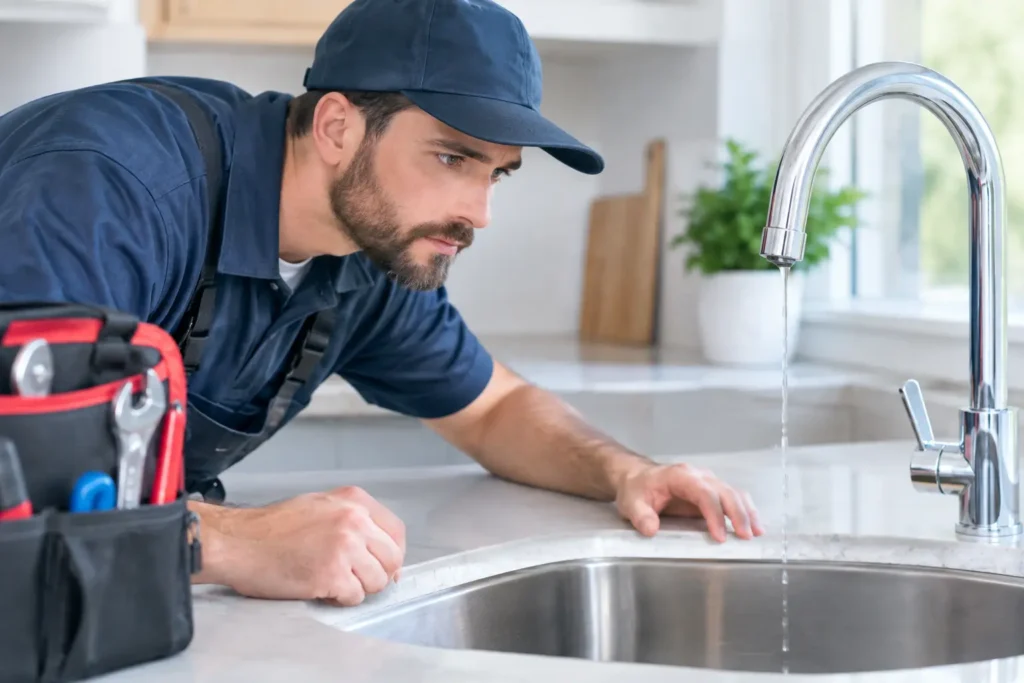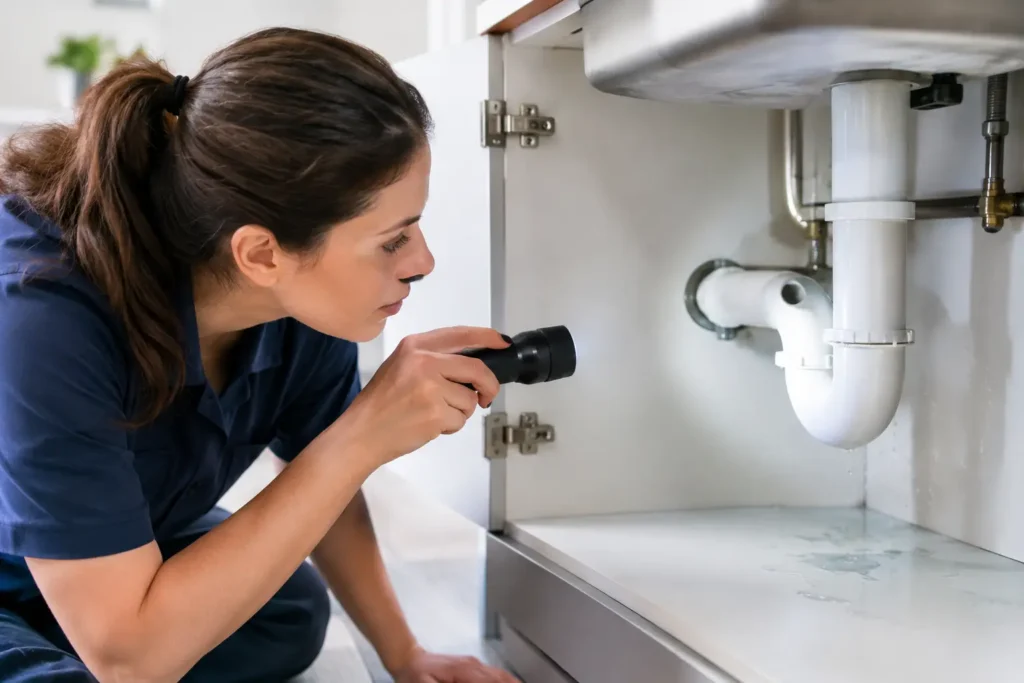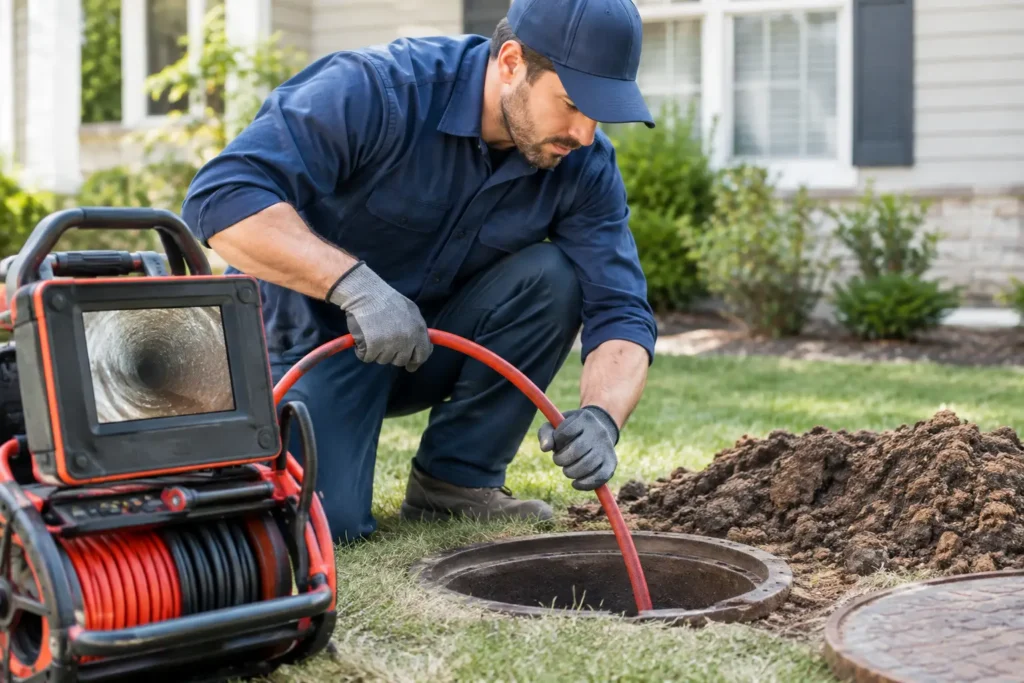


Low water pressure can turn everyday tasks into frustrating experiences. A shower that weakens when someone flushes a toilet, a kitchen faucet that barely flows, or a washing machine that takes longer to fill may indicate a plumbing problem.
Sometimes the cause is simple, such as a clogged aerator or showerhead. Other times, low water pressure can point to a failing valve, restricted water line, malfunctioning pressure regulator, or hidden plumbing leak.
A low water pressure plumber can help determine where the problem begins and recommend the appropriate solution instead of replacing components based on guesswork.
At Kingdom Based Plumbing Inc., we believe homeowners deserve an accurate diagnosis, clear explanations, and practical repair options before authorizing work.
What Causes Low Water Pressure in a House?
Low water pressure can have several causes, and the correct repair depends on which part of the plumbing system is affected.
Common causes include:
- Clogged faucet aerators or showerheads.
- Restricted or deteriorating water supply lines.
- Partially closed or failing shutoff valves.
- A malfunctioning pressure-reducing valve.
- Sediment or restrictions in water filtration equipment.
- Concealed plumbing leaks or underground water service leaks.
- Problems affecting the incoming municipal water supply.
- Restrictions associated with water heater connections or hot-water piping.
A problem affecting one fixture may require a relatively simple repair. Low pressure throughout the entire home can involve more extensive plumbing components.
Understanding the pattern helps narrow down the possibilities.
Low Water Pressure vs. Low Water Flow: What’s the Difference?
Homeowners often use the terms low water pressure and low water flow interchangeably, but they describe different conditions.
Water pressure refers to the force available to move water through the plumbing system.
Water flow refers to the volume of water delivered through a pipe or fixture over time.
A restriction inside a faucet, valve, or supply line can reduce water flow even when the pressure measured elsewhere in the system is normal.
For example, a clogged showerhead may produce a weak spray without indicating a problem with the home’s incoming water pressure.
A professional diagnosis may involve checking pressure at an appropriate test point and comparing water delivery at different fixtures.
The distinction matters because increasing pressure will not necessarily correct a restricted pipe or clogged fixture.
How to Tell Where the Water Pressure Problem Starts
Before scheduling service, pay attention to when and where the problem occurs.
You do not need to disassemble plumbing components or make adjustments. Simply observing the symptoms can provide useful information.
Low Water Pressure at One Faucet or Shower
If only one faucet or shower has weak water flow, the problem may be close to that fixture.
Potential causes include mineral buildup, a restricted aerator, a worn cartridge, or a partially closed fixture shutoff valve.
Some fixture-specific problems can be resolved without making changes to the home’s main water supply.
Learn more about our faucet and fixture repair services.
Low Water Pressure in One Bathroom
When several fixtures in one bathroom have reduced flow, the problem may involve a branch water line or a valve serving that area.
A plumber may compare hot and cold water delivery to determine whether the issue affects one side of the system or both.
The location of the restriction helps determine whether a targeted repair is appropriate.
Low Water Pressure Throughout the House
If every faucet, shower, and appliance experiences weak water delivery, the problem may involve the incoming water supply or a component serving the entire home.
Possible causes include a failing pressure regulator, partially closed main valve, restricted service line, water treatment equipment, or a municipal supply issue.
A sudden system-wide pressure drop deserves prompt attention, particularly if it occurs with unusual water sounds or signs of leakage.
Low Hot Water Pressure but Normal Cold Water
When cold water flows normally but hot water pressure is weak, the problem may involve the hot-water side of the plumbing system.
Potential causes include restricted hot-water piping, water heater connections, valves, or equipment-specific problems.
Tank and tankless water heaters can experience different restrictions and operating issues.
The appropriate diagnosis depends on the equipment and plumbing configuration.
A low hot-water flow problem does not automatically mean the water heater needs replacement.
What Does a Low Water Pressure Plumber Check?
A professional plumber should work to identify where pressure or flow is being lost before recommending repairs.
Depending on the symptoms, the evaluation may include:
- Comparing water flow at multiple fixtures.
- Checking hot and cold water performance.
- Inspecting accessible shutoff valves.
- Measuring water pressure at an appropriate test point.
- Evaluating a pressure-reducing valve when one is installed.
- Checking for restrictions in filtration or water treatment equipment.
- Investigating possible concealed or underground leaks.
- Evaluating the condition of accessible water supply piping.
Not every property requires every test.
The goal is to narrow down the problem and recommend work based on actual findings.
Can a Bad Water Pressure Regulator Cause Low Pressure?
Yes. A malfunctioning pressure-reducing valve, often called a water pressure regulator or PRV, can contribute to low or inconsistent water pressure.
A PRV is designed to reduce incoming water pressure to a suitable level for the building’s plumbing system.
Not every home has a separate pressure-reducing valve, and its location can vary.
When a regulator fails or becomes restricted, homeowners may notice:
- Weak water flow throughout the property.
- Pressure that changes unexpectedly.
- Reduced performance when multiple fixtures operate.
- Pressure readings outside the desired range.
These symptoms can also result from other plumbing conditions, so testing is important.
A plumber can evaluate the system and determine whether the regulator needs adjustment, repair, or replacement.
Homeowners should avoid forcing or adjusting unfamiliar pressure-control components without appropriate testing.
Incorrect adjustments can create excessive pressure or contribute to plumbing damage.
Can a Partially Closed Main Water Valve Reduce Pressure?
A partially closed main shutoff valve can restrict the amount of water delivered to the home, especially when several fixtures are operating.
Older valves can also deteriorate internally, creating restrictions even when the handle appears to be in the open position.
A damaged valve may require replacement rather than adjustment.
If a valve is corroded, difficult to operate, or has not been used for many years, do not force it.
A professional plumber can evaluate the condition of the valve and determine whether it is contributing to the problem.
Can a Hidden Water Leak Cause Low Water Pressure?
Yes. A significant leak in a water supply line can reduce available water pressure or flow.
However, many hidden leaks do not produce an obvious pressure change.
Other warning signs may include:
- Unexplained increases in water bills.
- Water meter movement when fixtures are off.
- Damp drywall or flooring.
- Unusual wet areas in the yard.
- Continuous running-water sounds.
- Reduced water pressure accompanied by visible moisture.
Leaks can develop behind walls, beneath concrete slabs, or along underground water service lines.
A professional evaluation can help distinguish a suspected leak from a restricted pipe, valve problem, or municipal supply issue.
Learn more about our professional leak detection services.
Can Old Plumbing Pipes Cause Low Water Pressure?
Aging plumbing materials can contribute to reduced water delivery when corrosion, scale, or deterioration restricts the inside of the piping.
In some cases, the exterior of a pipe may appear relatively normal while the interior has become significantly restricted.
The extent of the problem depends on the pipe material, age, water conditions, and plumbing layout.
A single restricted section may be suitable for a targeted repair.
When restrictions or failures occur throughout an aging plumbing system, a broader replacement discussion may be appropriate.
Repiping should not be recommended automatically for one weak faucet or shower.
The decision should be based on the overall condition of the plumbing.
Can Water Softeners and Filtration Systems Affect Water Pressure?
Water treatment equipment can affect water flow when filters become clogged, components develop restrictions, or the system is not properly configured.
A noticeable change after filter replacement, softener servicing, or equipment installation may provide a useful clue.
However, low water pressure does not automatically mean the water treatment system is defective.
The equipment and related piping should be evaluated before parts are replaced.
Some systems also operate automatically during regeneration or maintenance cycles, which can temporarily affect water delivery.
What Can Homeowners Safely Check Before Calling a Plumber?
There are several simple observations homeowners can make without opening pressurized plumbing or adjusting unfamiliar components.
Start by checking whether the problem affects one fixture or the entire property.
Compare hot and cold water flow.
Notice whether the problem occurs only when multiple fixtures are running.
Check whether neighbors are experiencing a similar issue, which may suggest a broader water supply problem.
Look for visible leaks, unusual water meter activity, or moisture around accessible plumbing.
If the problem began after recent plumbing or water treatment work, share that information with the technician.
Avoid forcing old valves, changing regulator settings without testing, or disassembling pressurized connections.
These observations can help a plumber diagnose the issue more efficiently.
When Is Low Water Pressure an Emergency?
A gradual reduction in water flow may allow time to schedule a diagnostic visit.
However, a sudden pressure drop throughout the property can indicate a more urgent concern, particularly when accompanied by signs of water loss.
Request prompt professional assistance if:
- Water pressure suddenly drops throughout the building.
- Water is actively escaping from plumbing.
- You notice new damp areas along with reduced pressure.
- The water meter indicates unexpected continuous use.
- A damaged water service line is suspected.
If water is actively damaging the property, shut off the appropriate water supply only if you can do so safely.
Avoid contact with wet electrical equipment.
For urgent plumbing problems, visit our emergency plumbing services.
Low Water Pressure Plumbing Services in Northeast Florida
Kingdom Based Plumbing Inc. is a family-owned plumbing company serving St. Johns County, Jacksonville, St. Augustine, Ponte Vedra, Nocatee, Fleming Island, and surrounding Northeast Florida communities.
We understand that low water pressure can affect everything from daily showers to laundry, cleaning, and normal household routines.
Our approach begins with identifying the source of the problem and explaining the available repair options.
Whether the issue involves a fixture restriction, failing shutoff valve, pressure regulator, hidden leak, or deteriorating water piping, our goal is to provide professional workmanship and practical solutions.
We believe in clean work, proper installation, transparent communication, and no shortcuts.
Schedule a Low Water Pressure Evaluation With Kingdom Based Plumbing
If your water pressure has become weak, inconsistent, or noticeably different from normal, don’t assume the problem will resolve itself.
A professional plumbing evaluation can help determine whether the issue involves a fixture, valve, regulator, water supply line, or another part of the plumbing system.
Call Kingdom Based Plumbing Inc. at 904-814-8541 to discuss your low water pressure concerns and schedule service.
Getting the right diagnosis is the first step toward restoring dependable water delivery and protecting your plumbing system.