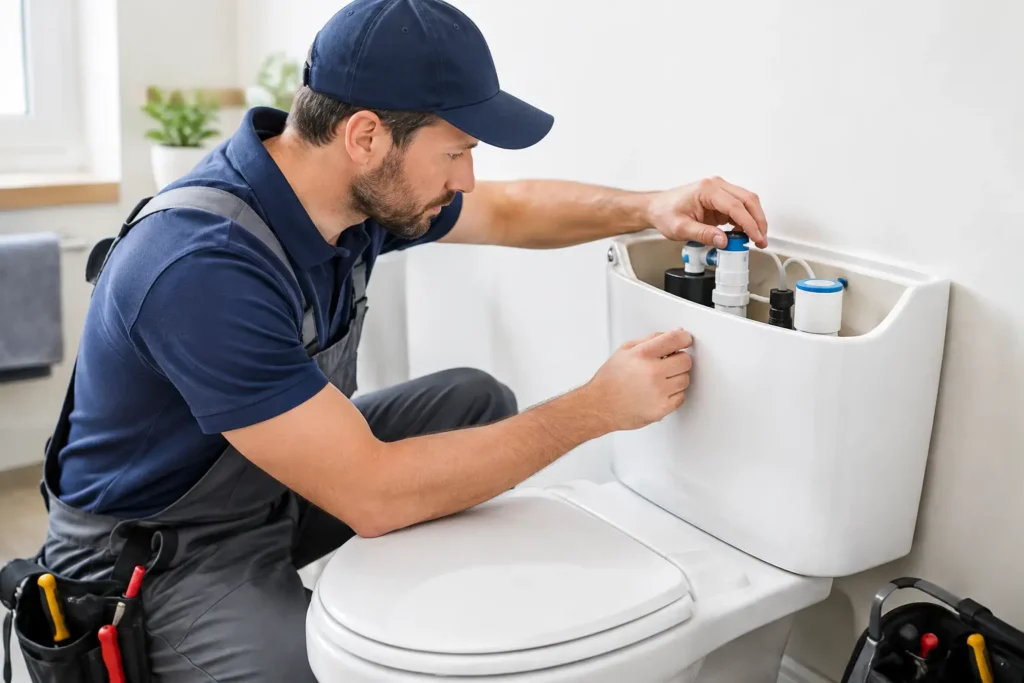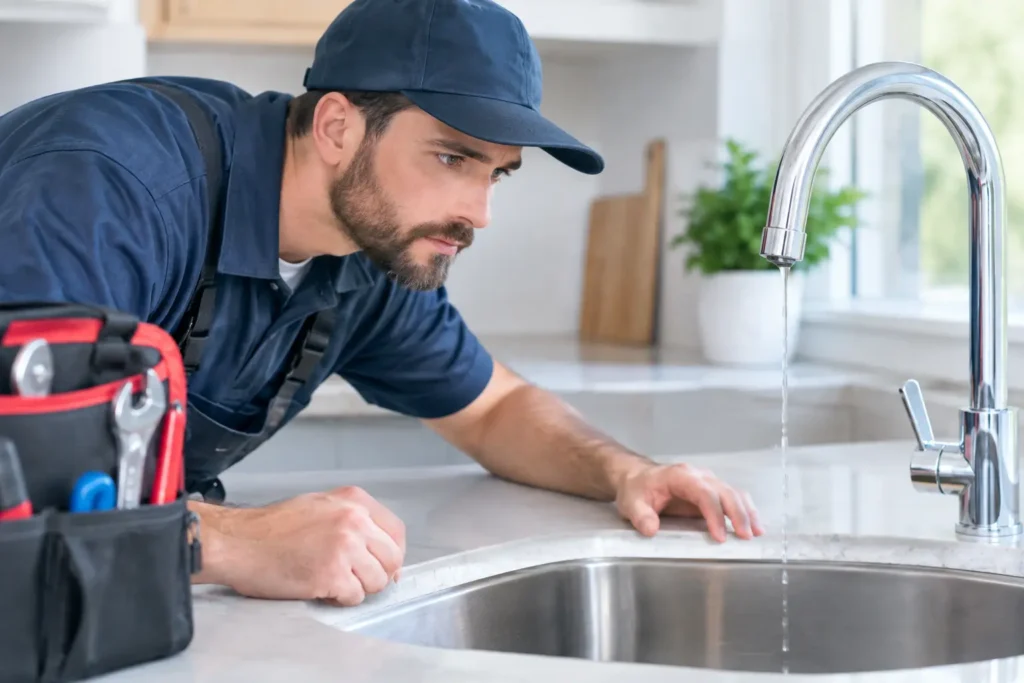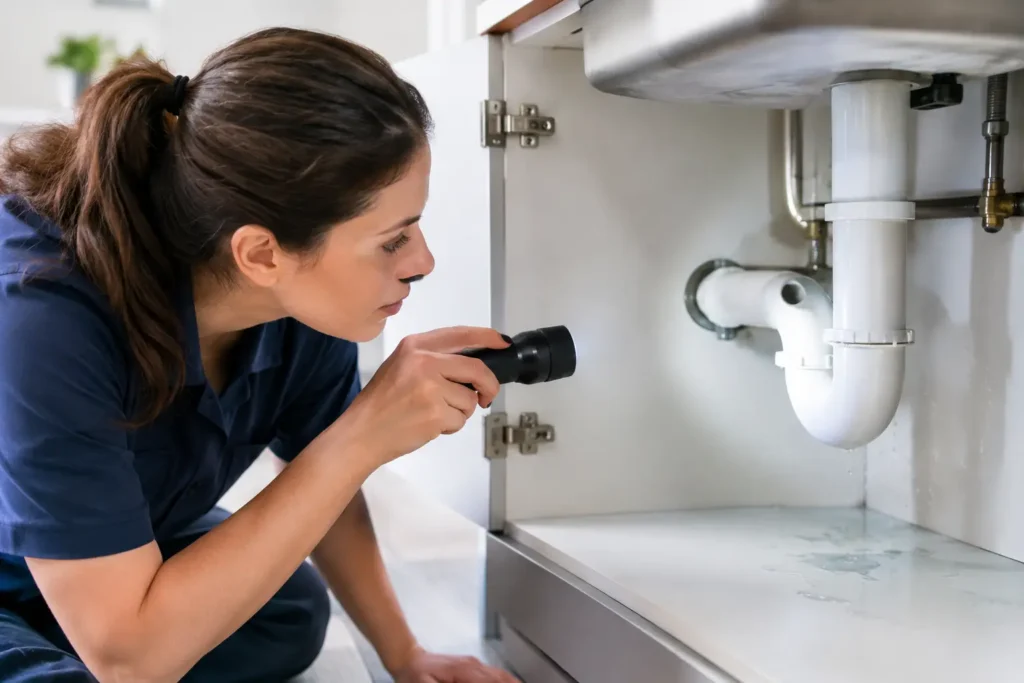


A toilet that keeps running can waste a surprising amount of water, even when there is no puddle on the bathroom floor.
You might hear water running continuously, notice the toilet refilling every few minutes, or discover an unexpectedly high water bill.
In many cases, the problem involves a worn flapper, failing fill valve, incorrect tank water level, or another internal toilet component.
Toilet keeps running repair starts with identifying exactly where the water is going and why the tank is not operating correctly.
At Kingdom Based Plumbing Inc., we believe homeowners deserve an accurate diagnosis, practical repair options, and professional workmanship without unnecessary replacement.
Why Does My Toilet Keep Running?
A standard gravity-flush toilet tank stores water until the toilet is flushed.
After flushing, the tank refills to a predetermined water level, and the fill valve shuts off.
When a component fails, water may continue entering the tank or escaping into the toilet bowl.
Common causes of a running toilet include:
- A worn or damaged toilet flapper.
- A fill valve that does not shut off properly.
- An incorrect tank water level.
- A damaged flush valve or sealing surface.
- A stuck or improperly adjusted float.
- An incorrectly positioned refill tube.
- Worn or incompatible internal toilet components.
Not every running toilet requires replacement.
Many problems can be corrected by repairing or replacing the appropriate internal component.
A Worn Toilet Flapper Can Cause Constant Refilling
The toilet flapper is a flexible seal that closes against the flush valve opening after a flush.
Its purpose is to prevent tank water from leaking into the bowl between flushes.
Over time, a flapper may become warped, brittle, deteriorated, or coated with mineral deposits.
When the seal no longer closes properly, water slowly escapes from the tank into the bowl.
As the water level drops, the fill valve activates to replace the lost water.
This can create a repeating cycle in which the toilet refills every few minutes.
Signs of a Bad Toilet Flapper
Common symptoms include:
- The toilet refills without being flushed.
- Water movement is visible inside the bowl.
- The tank water level gradually drops between flushes.
- The toilet runs intermittently throughout the day or night.
- The water bill increases without an obvious explanation.
A flapper can appear normal while failing to seal correctly.
The replacement must also match the toilet’s flush valve design. An improperly sized or incompatible flapper may continue leaking even after installation.
A Failing Toilet Fill Valve Can Keep Water Running
The toilet fill valve controls the incoming water supply after each flush.
As the tank fills, the float mechanism signals the valve to shut off.
When the fill valve wears out, becomes restricted, or fails to close correctly, water may continue entering the tank.
Excess water typically flows into the overflow tube and then into the toilet bowl.
Signs of a Bad Fill Valve
You may notice:
- Continuous hissing or running-water sounds.
- Water flowing into the overflow tube.
- A tank that takes unusually long to refill.
- Inconsistent water levels after flushing.
- A toilet that continues running even when the flapper appears to seal.
A failing fill valve may need replacement rather than repeated adjustment.
The appropriate repair depends on the toilet model and the condition of its internal components.
Can an Incorrect Water Level Make a Toilet Run?
Yes. If the tank water level is set too high, water may continuously enter the overflow tube.
The overflow tube is designed to direct excess tank water into the bowl rather than allowing it to spill over the tank’s edge.
However, continuous flow through the overflow tube wastes water and indicates that the refill system is not operating correctly.
The cause may be an incorrect float adjustment, a damaged float, or a malfunctioning fill valve.
Simply lowering the water level does not always resolve the underlying problem.
A proper repair should confirm that the toilet refills to the manufacturer’s intended level and shuts off reliably.
What if the Flush Valve Is Damaged?
The flush valve assembly provides the opening through which tank water enters the bowl during flushing.
On many toilets, the flapper seals against part of this assembly.
If the sealing surface is cracked, deteriorated, or damaged, replacing the flapper alone may not stop the leak.
Some toilet models also use canister-style or other flush mechanisms instead of a traditional flapper.
This is why matching replacement parts to the specific toilet design matters.
A plumber should inspect the flush valve and surrounding components before recommending the appropriate repair.
Why Does My Toilet Run Every Few Minutes?
A toilet that refills periodically is often experiencing a slow loss of water from the tank.
This condition is sometimes called phantom flushing.
The toilet may appear to flush or refill on its own even though no one has used it.
A deteriorated flapper or flush valve seal is a common cause.
However, other internal components can also contribute to intermittent refilling.
A toilet that runs continuously may instead have a fill valve problem or water flowing directly into the overflow tube.
The difference helps narrow down the diagnosis.
How to Check a Running Toilet Safely
Homeowners can often observe useful warning signs without disassembling plumbing components.
Step 1: Carefully Remove the Tank Lid
Lift the tank lid and place it on a stable, protected surface.
Porcelain tank lids can be heavy and may crack if dropped.
Step 2: Watch the Tank Refill
Flush the toilet once and observe the water level as the tank refills.
Notice whether the fill valve shuts off after the tank reaches its normal level.
Step 3: Check the Overflow Tube
Look for water continuously entering the overflow tube after the tank should have stopped filling.
This may indicate a fill valve or water-level problem.
Step 4: Listen for Intermittent Refilling
Wait several minutes without flushing.
If the fill valve turns on again, water may be escaping from the tank into the bowl.
Step 5: Avoid Forcing Old Plumbing Valves
If the toilet is leaking externally or appears at risk of overflowing, closing the nearby shutoff valve may help when it operates easily and safely.
Do not force a corroded, seized, or deteriorated valve.
A damaged shutoff valve can create a separate water leak.
Avoid using chemical cleaners inside the tank because some products can deteriorate rubber and plastic components.
What Does Professional Toilet Repair Include?
A professional running toilet diagnosis should identify the failed component before replacement parts are installed.
Depending on the fixture, the plumber may inspect:
- The toilet flapper or flush seal.
- The flush valve assembly.
- The fill valve and float mechanism.
- The tank water level.
- The overflow and refill tube arrangement.
- The condition of the toilet supply connection.
- The nearby water shutoff valve.
- The overall condition of the toilet.
After the repair, the toilet should be flushed and allowed to refill to verify that the system operates correctly.
The goal is a dependable repair, not simply making the running-water sound stop temporarily.
Can a Running Toilet Cause a High Water Bill?
Yes. A toilet can waste substantial amounts of water when the tank continuously loses water into the bowl or the fill valve does not shut off.
The amount depends on the severity of the failure and how long the condition continues.
Because the water usually travels directly into the bowl and drain, there may be no visible leak on the bathroom floor.
This makes running toilets easy to overlook.
If your water bill has increased unexpectedly, checking toilets is a useful starting point.
However, a high water bill can also indicate other plumbing leaks or water-use problems.
When Does a Toilet Need Replacement Instead of Repair?
Most running toilets do not require complete replacement.
Repairing a flapper, fill valve, or another serviceable component may restore normal operation.
Replacement may deserve consideration when:
- The porcelain tank or bowl is cracked.
- Multiple components are deteriorating.
- Replacement parts are obsolete or difficult to obtain.
- The toilet has recurring mechanical problems.
- The fixture is unstable or has additional damage.
- The homeowner wants to upgrade to a different toilet design.
A toilet that rocks, leaks around its base, or has damaged porcelain should be evaluated separately from an internal running-water problem.
Replacing the entire toilet should be a decision based on its condition and the homeowner’s needs—not an automatic recommendation.
Don’t Overlook the Toilet Shutoff Valve and Supply Line
A running toilet is usually an internal tank problem, but the surrounding plumbing should not be ignored.
The toilet’s angle stop, also called a shutoff valve, controls the water supply to the fixture.
Older valves may become difficult to operate, develop leaks, or fail to shut off completely.
Flexible supply connections can also deteriorate over time.
If these components show signs of corrosion, moisture, or damage, they may require separate attention.
A professional plumber can explain whether replacing a valve or supply connection is appropriate while performing toilet service.
For other fixture-related plumbing problems, explore our faucet and fixture repair services.
What if Water Is Leaking Around the Toilet Base?
Water around the base of a toilet is not the same as water leaking internally from the tank into the bowl.
Possible causes include a leaking supply connection, tank hardware, a failed toilet seal, condensation, or other plumbing problems.
If moisture is appearing around the toilet, the source should be identified before the fixture is used repeatedly.
A loose or rocking toilet may also require evaluation of its mounting and connection to the drain.
Persistent moisture can damage flooring and subfloor materials.
Learn more about recognizing hidden plumbing leaks.
When Should You Call a Plumber for a Running Toilet?
A running toilet should be professionally evaluated when:
- The toilet continues running after normal refilling.
- The tank refills repeatedly without flushing.
- The shutoff valve is damaged or difficult to operate.
- Water is leaking outside the toilet.
- Multiple internal components appear worn.
- The toilet is loose or unstable.
- The cause of the problem is unclear.
If the toilet is overflowing or water is actively damaging the bathroom, stop using the fixture and request prompt plumbing assistance.
For urgent plumbing concerns, visit our emergency plumbing services.
Toilet Repair in St. Johns County and Northeast Florida
Kingdom Based Plumbing Inc. is a family-owned plumbing company serving St. Johns County, Jacksonville, St. Augustine, Ponte Vedra, Nocatee, Fleming Island, and surrounding Northeast Florida communities.
We understand that even a small plumbing problem can become frustrating when it affects a fixture your family uses every day.
Our approach begins with identifying the actual cause of the problem and explaining the available repair options.
Whether the issue involves a worn flapper, failing fill valve, damaged flush valve, leaking shutoff valve, or a toilet that needs replacement, we focus on clean work, proper installation, and dependable results.
We believe homeowners deserve transparent pricing before authorized work begins and professional workmanship without shortcuts.
Schedule Running Toilet Repair With Kingdom Based Plumbing
If your toilet keeps running, refills every few minutes, or causes an unexplained increase in your water bill, don’t ignore the warning signs.
Many running-toilet problems can be repaired without replacing the entire fixture.
Call Kingdom Based Plumbing Inc. at 904-814-8541 to discuss your toilet problem and schedule professional service.
A proper diagnosis can help restore normal operation, reduce unnecessary water use, and protect your bathroom from avoidable plumbing problems.